Chronicle Editor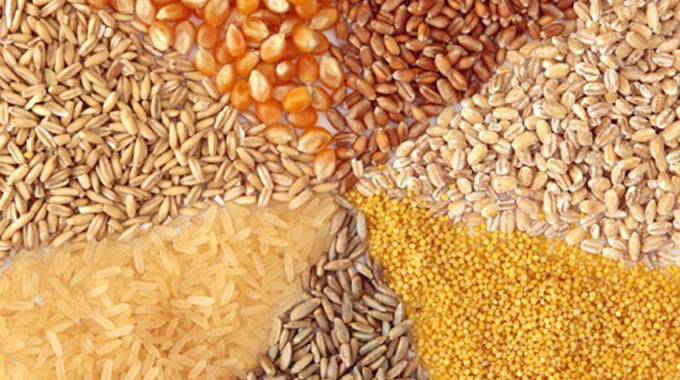
Patrick Chitumba, [email protected]
FARMERS in the Midlands province have been urged to plant more small grains and early maturing maize varieties to mitigate against reduced rains due to climate change.
Most farmers in the province have been replanting following a failed crop that was affected by long periods of moisture stress between November and December.
The Government has already set tomorrow as the deadline to round up crop planting countrywide as the season is likely to be shorter.
Weather projections indicate that Zimbabwe and the rest of Southern Africa will receive below-normal to normal rainfall, associated with extreme weather conditions such as heat waves and dry spells during the 2023/2024 cropping season.
In an interview yesterday, Midlands provincial agronomist, Mr Innocent Dzuke, said farmers should work closely with extension officers to ensure adoption of agriculture best practices for them to have higher yields.
“In the Midlands, farmers who lost their early crop to moisture stress are busy replanting, which is commendable as the Government has set the January 10 deadline for them to finish planting,” he said.
“We are also encouraging them to go for small grains such as sorghum and rapoko, which also mature early.”
Mr Dzuke said there were over 400 000 farmers engaged in Pfumvudza/Intwasa programme in the province.
“We have a total of 441 530 farmers who are doing Pfumvudza/Intwasa in the Midlands province and we are confident that those plots will do well leading to food security at the household level,” he said.
Last week, Mr Ronnie Chigombe, sales agronomist at SeedCo said farmers should take advantage of the wet conditions prevailing to replant if their crops have already failed.
“For November, there were no rains to speak of and the bulk of the dry land farmers who engaged in early planting lost their crops.
“Yes, most of the maize planted early was facing moisture stress but with the coming of the rains, we have seen that some maize crops are in way starting to show signs of survival,” he said.
“But we have some crops, especially for dry land farmers, which have started wilting. Those farmers are encouraged to start replanting but should also consider short-season varieties.
“Those are the varieties we are encouraging farmers to consider now as they quickly mature,” he said.
Farmers across the province were trained on conservation agriculture popularly known as the Pfumvudza/ Intwasa and those who participated in the programme in the last season and recorded a good harvest.
The conservation programme is hinged on three principles, crop rotation, mulching, and minimum tillage. It aims to boost yields and increase resilience to climate change negative impacts.
This season the programme is supporting five Pfumvudza/Intwasa plots per household with an agro-ecological region-specific crop input package for maize, sorghum, pearl millet, soya beans, sunflower, groundnuts, vegetables and African peas.
The Government distributed agricultural inputs under the Pfumvudza/Intwasa programme to match the agro-ecological regions to ensure optimum production and guarantee food security and an income for all families.


 Online Reporter