

 Online Reporter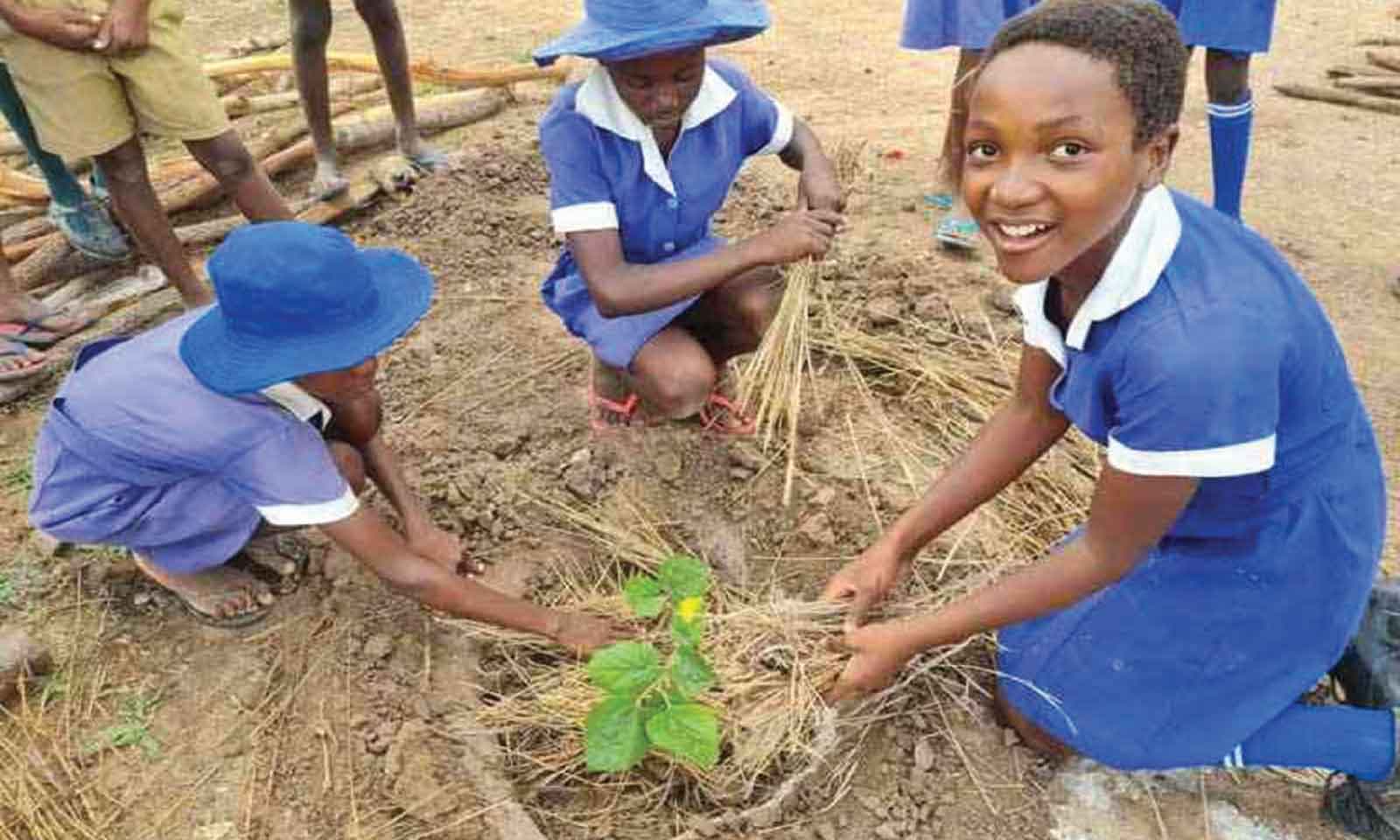
Innocent Mujeri
LAST weekend, Zimbabweans marked National Tree Planting Day, a celebration that carries far more significance than the ceremonial act of placing seedlings into the soil.
It is a timely reminder that trees are not merely symbols of nature; they are lifelines for communities, ecosystems, and the nation as a whole. In an era of climate change, environmental degradation, and widespread deforestation, the simple act of planting trees takes on profound national importance.
Zimbabwe has long faced the twin challenges of environmental degradation and deforestation.
One of the principal drivers of this is tobacco curing, which relies heavily on wood fuel.
Tobacco farmers, in particular, often rely on local forests for the wood needed to cure their crops, a practice that has left swathes of land barren and ecosystems destabilised.
While tobacco remains an important economic crop, the environmental cost has been substantial, leaving the country vulnerable to soil erosion, loss of biodiversity, and decreased rainfall.
Planting trees offers a concrete solution to these challenges, but it requires commitment from all Zimbabweans, not just farmers or environmental organisations.
Trees are critical for maintaining ecological balance.
They act as natural air purifiers, absorbing carbon dioxide and releasing oxygen, thereby combating the adverse effects of greenhouse gas emissions.
They regulate water cycles, improve soil fertility, and provide shade that mitigates the impact of extreme temperatures. Beyond their environmental benefits, trees are also economic assets. They provide timber, fruit, medicine, and other resources that communities can sustainably harvest.
By integrating tree planting into daily life, Zimbabweans are investing not only in environmental health but also in long-term socio-economic resilience.
National Tree Planting Day should serve as more than a one-off event; it must ignite a culture of tree stewardship across the nation.
Farmers, urban residents, schools, and local councils all have roles to play. For tobacco farmers, this is particularly crucial. By planting fast-growing species alongside tobacco crops, farmers can sustainably source wood for curing without encroaching on natural forests.
Agroforestry practices, where trees are interspersed with crops, not only supply fuel but also enrich the soil, improve water retention, and enhance biodiversity. In this way, farmers contribute directly to national reforestation efforts while safeguarding their livelihoods.
Urban areas, too, have a vital role to play. Cities and towns across Zimbabwe are expanding rapidly, often at the expense of green spaces. Street trees, community parks, and school gardens can transform concrete landscapes into healthier, more liveable environments.
Trees in urban areas help reduce air pollution, lower energy costs by providing natural cooling, and offer spaces for recreation and reflection. Engaging communities in urban tree planting initiatives also fosters a sense of ownership and environmental responsibility, ensuring that these efforts are sustained over the long term.
Education is another critical pillar. Schools should integrate environmental stewardship and tree planting into their curricula, teaching children from a young age the importance of caring for the natural world.
Children who learn to plant, nurture, and protect trees are more likely to grow into adults who value sustainability.
Community campaigns, media advocacy, and public engagement can reinforce these lessons, creating a nationwide ethos that regards tree planting as a civic duty rather than an optional activity.
Furthermore, tree planting is a powerful tool in climate change adaptation.
Zimbabwe, like many countries in Southern Africa, faces increasing temperatures, unpredictable rainfall, and frequent droughts. Trees act as natural barriers, reducing wind erosion, protecting watersheds, and moderating local climates.
By planting trees, Zimbabweans directly contribute to building resilience against the impacts of climate change, ensuring that future generations inherit a more stable and productive environment.
It is also important to recognise the cultural and social value of trees. Across Zimbabwe, trees are central to traditions, ceremonies, and communal life.
They serve as gathering points, markers of heritage, and symbols of continuity between generations. By planting trees, Zimbabweans are not only protecting the environment but also strengthening social bonds and nurturing a sense of shared responsibility for the nation’s natural heritage.
Government, civil society, and private sector all have crucial roles in promoting and supporting tree planting initiatives. Incentives for farmers who adopt sustainable practices, technical support for urban forestry projects, and nationwide awareness campaigns can encourage widespread participation. Partnerships with organisations that provide seedlings, training, and monitoring can ensure that planted trees survive and thrive, avoiding the pitfall of superficial or short-lived efforts.
Ultimately, the success of National Tree Planting Day hinges on the heart and commitment of every Zimbabwean.
Whether in rural villages, commercial farms, or bustling cities, planting a tree is a tangible action that contributes to national development, environmental preservation, and community well-being. Each tree planted is a statement of hope, a commitment to sustainability, and a step toward a greener, more prosperous Zimbabwe.
Zimbabweans must remember that the fight against deforestation and environmental degradation is not someone else’s responsibility; it is a collective duty.
Tobacco farmers must balance production with sustainability. Urban communities must safeguard and expand green spaces. Schools and families must instil values of environmental stewardship in younger generations.
Together, these actions will ensure that National Tree Planting Day is not merely symbolic but transformative, planting the seeds for a healthier, more resilient nation.
Trees are more than just plants; they are instruments of national resilience, economic growth, and social cohesion.
As Zimbabweans, embracing tree planting as a way of life is an investment in our present and future. By making this practice a core part of our national identity, we can arrest deforestation, protect our environment, and ensure that Zimbabwe remains a country where natural resources, communities, and future generations thrive in harmony.



