Herald Reporters
REGIONAL leaders and global blocs have intensified calls for the immediate and unconditional lifting of unilateral sanctions against Zimbabwe at commemorations marking the SADC Anti-Sanctions Day yesterday.
The annual event was established at the 39th SADC Summit of Heads of State and Government in Dar es Salaam, Tanzania in August 2019.
The day serves as a collective regional initiative to oppose the prolonged restrictions imposed by the United States, the European Union, and their allies since the early 2000s.
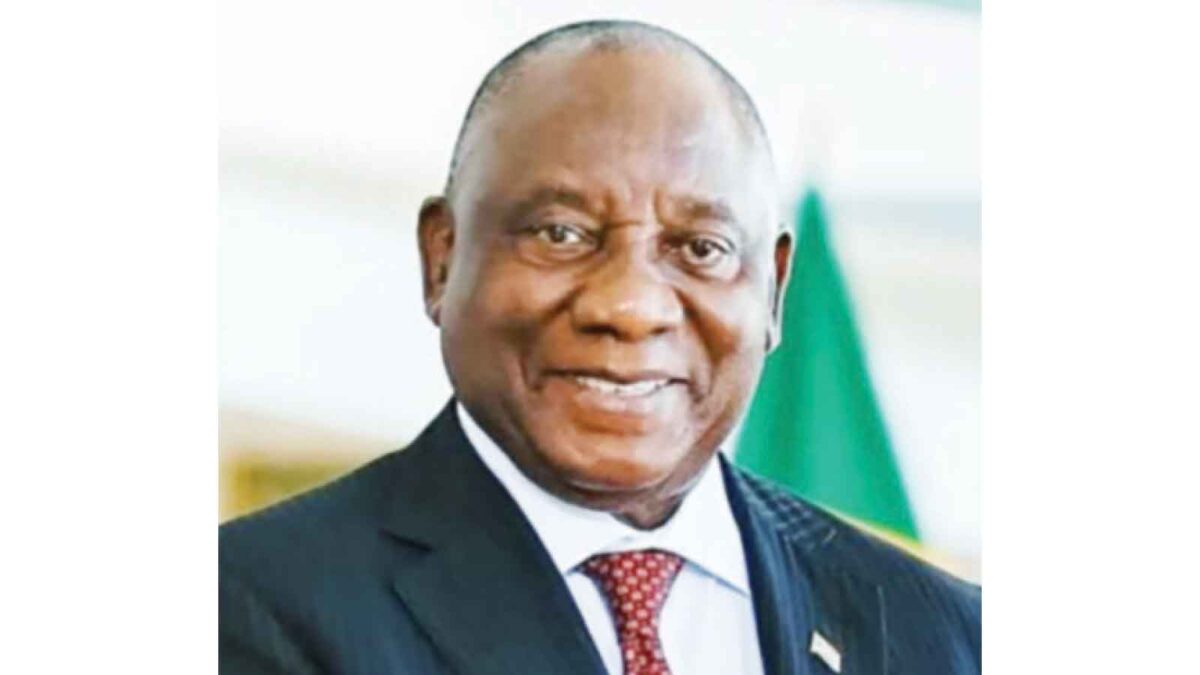
South African President and SADC Chairperson Cyril Ramaphosa led the regional appeals, describing the economic restrictions against Zimbabwe as a penalty against the entire bloc.
“The sanctions imposed on the Republic of Zimbabwe, therefore, create an additional burden for its people amid an already challenging continental and international environment,” President Ramaphosa stated.
He urged the imposing nations to prioritise diplomatic engagement to resolve the issue, adding: “The time has indeed come for the world to give Zimbabwe complete freedom from sanctions and with it, the chance to transform its people’s lives and livelihoods socially and economically.”
SADC Executive Secretary Elias Mpedi Magosi warned that the economic blockades continue to disrupt macroeconomic stability across Southern Africa.
He noted that the restrictions run counter to the aspirations of the African Union’s Agenda 2063 by limiting Zimbabwe’s capacity to participate in regional trade, investment, and shared economic growth.
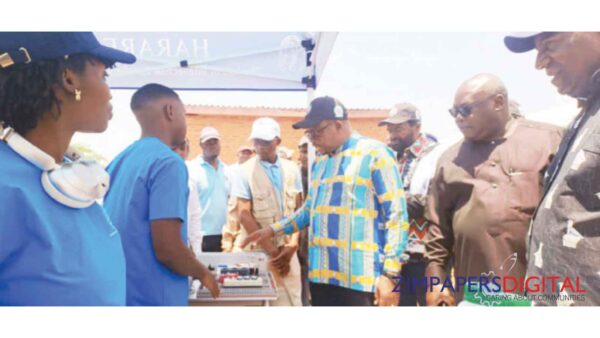
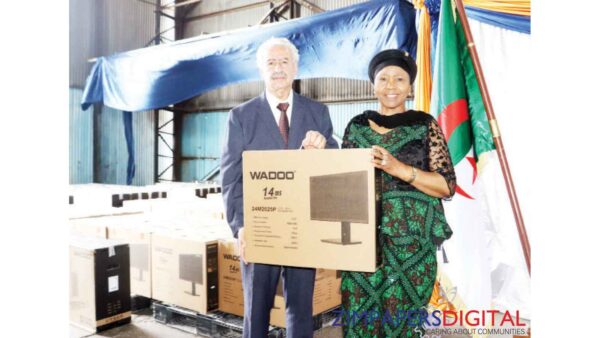
The theme for this year’s commemoration is “Inclusive Development through Heritage-based Innovation and Industrialisation, in a Multilateral World.”
Commenting on the framework, Mr Magosi invited all 16 SADC member states to maintain regional solidarity and pressure international actors to revisit their stance.
The Chairperson of the African Union Commission, Mahmoud Ali Youssouf, also renewed the continental body’s demand for the immediate removal of unilateral sanctions against Zimbabwean institutions and individuals.
“The unilateral sanctions have significantly constrained Zimbabwe’s access to international financial systems, deterred foreign direct investment, increased the cost of doing business, and severely limited the country’s ability to secure development assistance,” Mr Youssouf said.
He noted that the restrictions have impeded progress toward Zimbabwe’s Vision 2030, SADC’s regional macroeconomic convergence targets, and the United Nations Sustainable Development Goals.
Further solidarity was expressed by neighbouring heads of state and international diplomats.
Mozambican President Daniel Chapo declared his country’s opposition to unilateral coercive measures, stating they violate the United Nations Charter.
He expressed firm solidarity with both Cuba and Zimbabwe in their respective campaigns against financial and commercial blockades.
Tanzanian Vice President Deogratius Ndejembi reiterated the importance of national sovereignty and peaceful coexistence, opposing what he described as a growing trend of states assuming unilateral policing responsibilities over others.
South Africa’s Minister of International Relations and Cooperation, Ronald Lamola, and Ghana’s Ambassador Extraordinary and Plenipotentiary, Bonaventure Adjavor, similarly affirmed that collective international action remains essential to shield developing national economies from the spillover effects of unilateral economic intimidation.
Chinese Embassy Chargé d’Affaires Tang Xiaoping said China has consistently stood with Zimbabwe in defending its sovereignty and supporting its right to determine its own development path.
“China has always stood in solidarity with Zimbabwe and consistently supported Zimbabwe in protecting its sovereignty and pursuing the development path of its own choice, national stability, economic development and better livelihoods,” he said.
“We stand firmly with Zimbabwe and its people as they pursue economic development and better livelihoods. We call for the lifting of sanctions against Zimbabwe. We think Zimbabwe will prevail and justice will prevail.”