admin
admin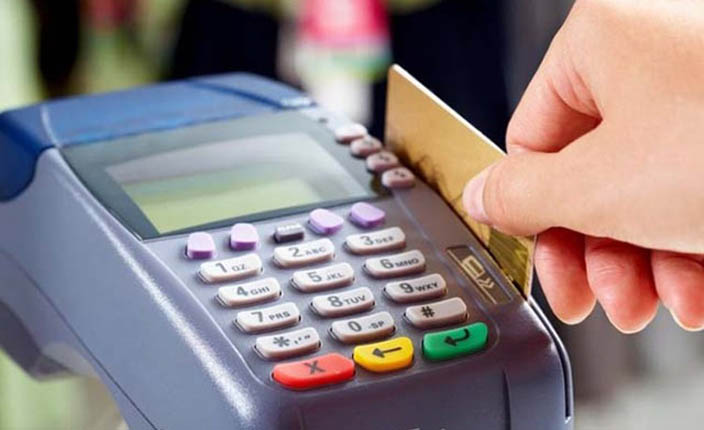
Sunday Mail Reporters
There is a fine line between nature and science. However, trying to trace how and which of the two replicated the other’s traits would only serve us another unending round of the chicken-and-egg debate.The fact became inescapable, though, as Zimbabweans went about enjoying the festive season. We are told that the proverbial early bird catches the worm, that is nature. Then marketers tell us how an early adopter always score big on innovation, that is science.
Whichever way one looks at it, the first to adapt to circumstance always emerges tops. That was proved true as a good number of supermarkets in Harare’s central business district were packed to the rafters as shoppers picked an item or two for their loved ones – all in a festive mood, thanks to the ingenius innovation of “plastic money”.
In the past, it was almost unimaginable that such sizeable numbers would transact without the urge to dip into their handbags or pockets for cash.
But the United States cash shortages brought out the adopter in a good many Zimbabweans who now believe in cashless transactions.
Ms Tambudzai Muswere of Mbare, Harare said, “I have been trying to get cash from the bank throughout the week, but couldn’t.
“So I have no option but to transact via ‘plastic money’.
“In the beginning, perhaps this is how others felt too, I thought it was a hectic and fraudulent process. However, I realised it makes things simpler. Look, I have even bought goodies, something I could not have done if I had waited for the bank queues to disappear.”
Yesterday, most supermarkets in the capital were busy from morning to evening as shoppers readied for the cross over into the New Year.
Innovative vendors at Mbare Musika Market were not to be outdown as several had point of sale machines. There was raucous laughter at one market stall where an old timer could not believe his luck when he was told he could “swipe” and purchase chickens!
Some bus companies also allowed travellers to pay busfares via money transfer arrangements, all in a bid to make a few dollars more, while making others merry.
Some, who are yet to catch on to the “swipe revolution”, were, however, apprehensive about losing out on account of US dollar cash shortages.
Yet, the “swipe” appeared to become the shibboleth across town. A bus driver who refused to be named said, “I have been in the transport business for almost seven years now, and we know that during this time we make money.
“However, because of cash shortages, a lot of transporters are now realising little to nothing. This Christmas appeared different because there was not enough cash.”
According to the Zimbabwe National Chamber of Commerce, electronic payments have increased steadily since January. Economist Dr Gift Mugano told The Sunday Mail that more was required for plastic money to be fully embraced.
“People do not have confidence in the banking sector, and ATM cards for now are simply being viewed as mere plastic cards and not money,” he said.
“We have a banking sector that is thriving on and profiteering from the cash challenges that the country is going through.
“Some service stations are limiting the quantity of litres one can buy using plastic money, and this is very discouraging. The queues that we are continuing to witness are no longer necessary.
“There is no reason for my grandmother not to use plastic money, but the banking sector and some retail outlets are discouraging its use. The culture is very retrogressive and we need to do something about it sooner rather than later.”
Other parts of the globe widely use plastic money instead of cash. Closer to Zimbabwe, South Africa has innovations targeted at building a cashless society. Zimbabwe is following suit and innovation appears to have carried the day yesterday.



 Online Reporter