Online Reporter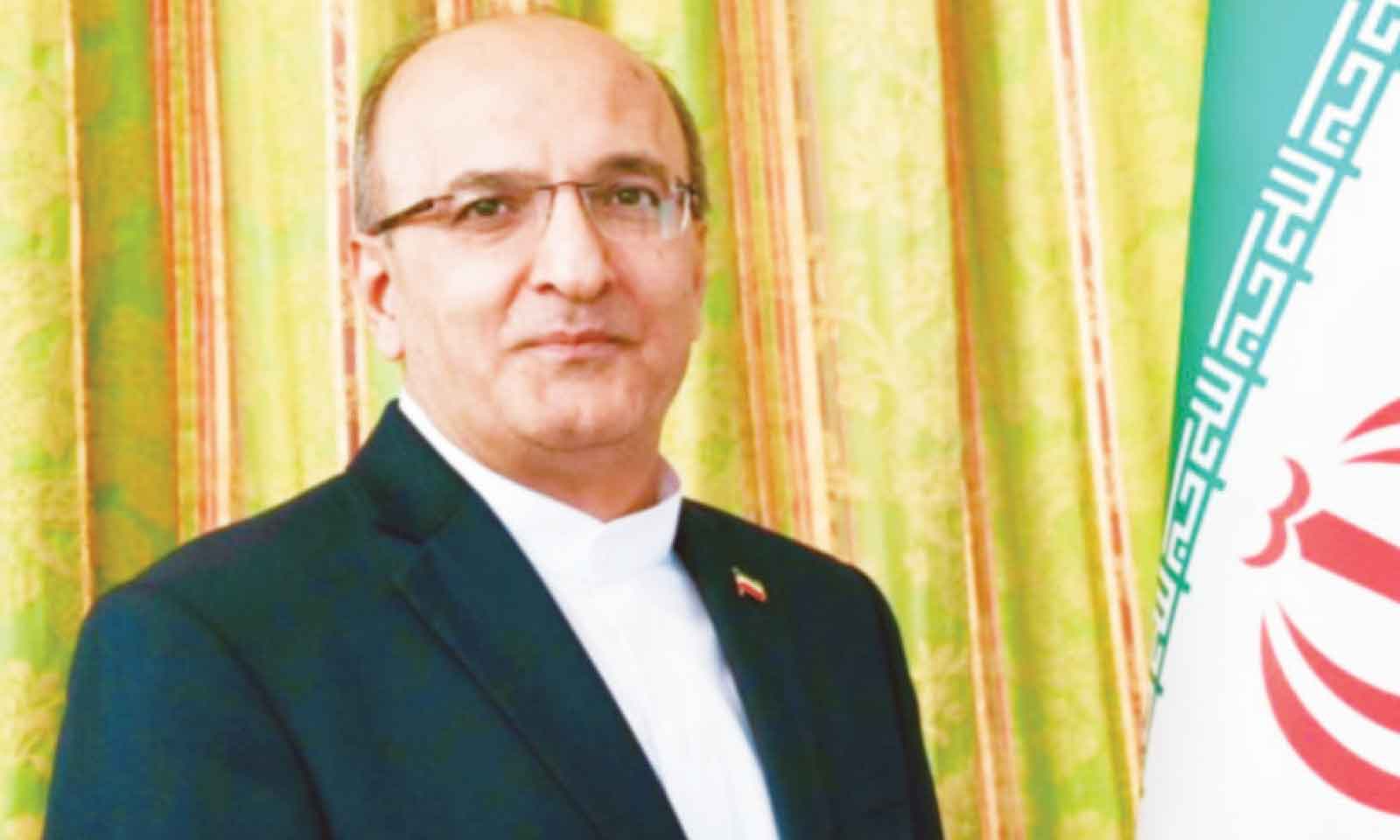
In recent years, Zimbabwe and Iran have been working on expanding cooperation in key sectors including agriculture, mining, pharmaceuticals and energy, where joint ventures and technology transfer are expected to drive industrialisation, job creation and trade growth. In an interview with Zimpapers’ Star FM, Iranian Ambassador to Zimbabwe MR AMIR HOSSEIN HOSSEINI said relations between Harare and Tehran remain strong, strategic and rooted in shared positions on sovereignty, independence and resistance to sanctions, with growing focus on translating political alignment into tangible economic gains.
**********************
Q: Zimbabwe and Iran have enjoyed long-standing diplomatic relations for decades. From your perspective, how would you describe the current state of political relations between the two countries and what makes this partnership unique?
A: Zimbabwe and Iran maintain strong, stable and strategic political relations rooted in mutual respect and shared historical experiences of resisting external pressure. The relationship is characterised by regular high-level engagements, coordinated positions at international forums and a high degree of political trust.
What makes this partnership particularly distinctive is its ideological foundation — Both countries emphasise sovereignty, independence in decision-making and opposition to coercive measures.
Despite external challenges, the relationship has proven resilient and forward-looking. It is not merely transactional, but firmly grounded in long-term strategic alignment. Complementarity further strengthens these ties, with Iran offering technological expertise and Zimbabwe contributing natural resources and regional access, making the partnership both principled and practical.
Since the very first days of Zimbabwe’s independence, the Islamic Republic of Iran and Zimbabwe have laid the foundations for close cooperation across a wide range of fields, including the economic sphere. As two nations that have experienced coercive measures and unilateral sanctions, Iran and Zimbabwe have at times faced significant challenges in deepening their bilateral cooperation. Nevertheless, the trajectory of collaboration between these pioneering and revolutionary nations in the years following Zimbabwe’s independence has been highly encouraging.
By identifying each other’s capacities, capabilities and needs, the two countries have successfully signed numerous memoranda of understanding aimed at enhancing mutual cooperation.
At present, both sides are engaged in negotiations and constructive interactions to take practical steps towards implementing these agreements, particularly in the fields of trade and economic cooperation.
I sincerely hope that, during my tenure in Zimbabwe, I will contribute positively to shaping bilateral relations and advancing meaningful measures to further strengthen economic and commercial ties between our two countries.
Q: Both Zimbabwe and Iran often emphasise solidarity at international forums and shared positions on issues such as sovereignty and sanctions. How has this political alignment strengthened cooperation between Harare and Tehran?
A: Zimbabwe and Iran’s shared positions on sovereignty, non-interference and opposition to unilateral sanctions have significantly strengthened their bilateral cooperation. This alignment has fostered deep mutual trust, enabling smoother negotiations and more effective implementation of agreements.
At international forums, both countries consistently support one another, amplifying their collective voice within the Global South. This political convergence facilitates practical collaboration, particularly in navigating economic restrictions through alternative trade and financial mechanisms. Moreover, it provides a stable foundation for long-term investments and joint projects, as both sides maintain confidence in each other’s commitments.
Overall, this alignment acts as a force multiplier, translating shared principles into tangible economic and diplomatic outcomes.
The Islamic Republic of Iran and Zimbabwe have consistently advocated for reform of the current structure of international relations, with a view to ensuring the equal rights of all countries, irrespective of population size, territorial extent, economic strength, military power or similar criteria. On this basis, the two countries have played an active and high-level role within frameworks of cooperation among developing nations, including the Non-Aligned Movement, South-South cooperation mechanisms, BRICS and the Group of Friends in Defence of the Charter of the United Nations.
In these settings, Iran and Zimbabwe have stood side by side in opposing various forms of colonialism and domination at the international level.
With regard to Zimbabwe’s candidacy for a non-permanent seat on the United Nations Security Council next year, I wish to reiterate that the Islamic Republic of Iran has been a firm supporter of Zimbabwe in this regard.
Both countries have previously declared their mutual support for each other’s respective candidacies for membership in the Security Council.
Q: Zimbabwe and Iran have signed several agreements and memoranda of understanding covering sectors such as agriculture, mining, pharmaceuticals and energy. Which of these areas currently present the most promising opportunities for investment and economic growth?
A: The most promising sectors for Zimbabwe-Iran cooperation include agriculture, mining, pharmaceuticals and energy.
In agriculture, Iran’s expertise in irrigation, mechanisation and agro-processing can significantly enhance Zimbabwe’s food security and productivity. The mining sector presents strong potential for value addition, enabling Zimbabwe to derive greater benefits from its mineral wealth through Iran’s processing capabilities.
The pharmaceutical sector is particularly strategic, as Iran’s production of affordable generic medicines can support local manufacturing in Zimbabwe and reduce import dependence.
In the energy sector, especially in renewable energy and small-scale power generation, cooperation can help address Zimbabwe’s energy challenges. These sectors are especially attractive as they generate employment, support industrialisation and create long-term economic value.
At the same time, there exists a broad and diverse range of additional areas for potential cooperation between the two countries, including political, economic, commercial, investment, oil and petrochemical, cultural and artistic, medical, industrial, technological, tourism, urban and rural development and educational sectors.
Realising this extensive potential, however, requires practical and well-coordinated steps towards effective implementation.
In my view, over the medium term, Zimbabwe and Iran can further strengthen their bilateral relations through concrete cooperation in key areas of mutual interest. As highlighted earlier, both countries have already taken steps to expand practical collaboration, including in education and technology. We remain fully prepared to advance bilateral engagement in scientific and educational fields, firmly believing that synergy in science and technology will enhance the capacity of both nations to withstand external pressures and pursue a dignified, forward-looking path towards sustainable development.
On behalf of my country, I wish to affirm that the Islamic Republic of Iran stands fully ready to share its experience and expertise in scientific, educational and technological spheres with its friendly and brotherly nation, Zimbabwe.
Q: There have been discussions about expanding bilateral trade and industrial cooperation, including manufacturing projects and technology partnerships. What practical steps are being taken to increase trade volumes and create jobs in both countries?
A: Zimbabwe and Iran are taking practical steps to expand trade through joint economic commissions, trade delegations and business forums that foster direct engagement between their private sectors. Efforts are also underway to establish alternative trade mechanisms — including barter arrangements and local currency transactions — to overcome financial constraints.
Industrial cooperation remains a central focus, with plans for joint ventures in manufacturing, pharmaceuticals and agro-processing aimed at generating employment and facilitating technology transfer. At the same time, both sides are prioritising improvements in logistics, transport links and customs procedures to enable smoother trade flows.
Capacity-building programmes and technical exchanges are further contributing to the development of local skills.
Taken together, this multi-layered approach — combining policy coordination, private sector engagement and innovation — aims to boost trade and employment. Looking ahead, we hope that, following the conclusion of the current conflict, progress can be made on key initiatives such as the establishment of a tractor manufacturing plant and the launch of an Iranian pharmaceutical production line within the NatPharm complex.
These projects hold significant potential for job creation in Zimbabwe. In addition, a range of proposals in the medical and health sector is under consideration, which could likewise contribute meaningfully to employment generation and capacity-building in both countries. At present, the two countries share the understanding that their political relations are at the highest possible level.
Building on this strong foundation, it is essential to take decisive steps to further enhance economic, trade and investment ties.
In this context, Iran and Zimbabwe can function as complementary economies, given their respective capacities, capabilities and needs.
By deepening cooperation in these areas, both countries can ensure that their peoples fully benefit from the opportunities and dividends of closer bilateral engagement. On this basis, particular emphasis in the coming years should be placed on key sectors, including healthcare and medical services, oil and petroleum products, petrochemicals, chemical fertilisers, agricultural machinery and equipment, mining, higher education, technical and vocational training, and tourism.
Q: Iran has strong expertise in pharmaceuticals, medical equipment and industrial technology. How can cooperation in these sectors help Zimbabwe strengthen its health systems and industrial capacity?
A: Iran’s expertise in pharmaceuticals and medical technology offers significant benefits for both Zimbabwe’s health system and its broader industrial development. The establishment of local pharmaceutical production can ensure a stable supply of affordable medicines, reduce dependency on imports and create skilled employment opportunities. In the field of medical equipment, Iran can contribute to the modernisation of healthcare facilities through technology transfer and the development of joint ventures. Training and knowledge-sharing initiatives are equally essential to building local capacity and ensuring long-term sustainability.
Beyond the healthcare sector, Iran’s industrial expertise can support Zimbabwe’s wider industrialisation efforts through manufacturing partnerships and technological upgrading.
In this context, there is also strong potential to position Zimbabwe as a regional hub for pharmaceutical production and medical technology, serving neighbouring markets and enhancing its role within regional value chains. At the same time, such cooperation yields important benefits for Iran.
Engagement with Zimbabwe provides access to a dynamic and resource-rich market within the African continent, creating new opportunities for Iranian exports, technical services and investment.
It also offers a strategic gateway to the broader Southern African region, particularly if Zimbabwe develops into a regional hub for healthcare and industrial production. Furthermore, partnerships of this nature enable Iran to expand its economic footprint, diversify its trade relations and strengthen resilience in the face of external economic pressures.
They also facilitate the internationalisation of Iranian industries, enhance technology exchange and create platforms for joint production and innovation. Overall, this cooperation is geared towards strengthening self-reliance by combining immediate improvements in healthcare delivery with sustainable, long-term industrial growth, while advancing shared development objectives and contributing to broader South-South economic integration.
Q: Beyond government cooperation, how important are cultural exchanges, educational scholarships and tourism in strengthening people-to-people relations between Zimbabweans and Iranians?
A: People-to-people relations are essential for sustaining long-term Zimbabwe-Iran ties.
Cultural exchanges foster mutual understanding and appreciation of shared values, helping to reduce misconceptions and strengthen societal bonds.
Educational cooperation, including scholarships and academic exchanges, is particularly impactful, as it cultivates a generation of professionals with direct experience of both countries.
Tourism further enhances these connections, promoting cultural understanding while generating economic benefits.
In particular, the high quality and cost-effectiveness of healthcare services, medicines and medical equipment in Iran have made the country one of the most well-qualified destinations for health tourism worldwide, presenting additional opportunities for collaboration and engagement.
Professional exchanges, such as conferences, research collaborations and technical training, further deepen bilateral engagement, allowing expertise to be shared across multiple sectors.
These interactions humanise the relationship, ensuring that it extends beyond government agreements and formal diplomacy.
Ultimately, strong people-to-people ties create a durable foundation of trust, reinforcing and stabilising bilateral cooperation over time while contributing to broader cultural, educational and economic integration.
Q: What opportunities exist for Zimbabwean students, professionals and entrepreneurs who may want to study, work or collaborate with institutions and businesses in Iran?
A: Zimbabwean students, professionals and entrepreneurs enjoy expanding opportunities in Iran.
In education, scholarships in fields such as engineering, medicine and the sciences provide access to high-quality training and advanced research facilities.
Professionals can benefit from technical training programmes, workshops and exchanges that enhance skills in industrial and technological sectors.
Entrepreneurs have opportunities to explore joint ventures and partnerships, particularly in agriculture, manufacturing and mining services.
Participation in trade fairs and exhibitions further opens doors for business collaboration and market access.
Moreover, Iran’s experience in fostering innovation under constraints offers valuable lessons in resilience and problem-solving.
These opportunities promote knowledge transfer, capacity building and economic collaboration, benefitting individuals and strengthening the broader bilateral relationship.
Q: Iran has been increasing engagement with African countries through economic conferences and investment forums. How does Zimbabwe fit into Iran’s broader strategy of cooperation with Africa?
A: Zimbabwe plays a pivotal role in Iran’s broader engagement with Africa.
Its strategic location in Southern Africa, combined with abundant natural resources and an active role in regional organisations, makes Zimbabwe both a highly valuable bilateral partner and an effective gateway to the wider Southern African region.
This geographical and geopolitical significance allows Iran to not only strengthen its direct relations with Zimbabwe, but also to leverage these ties to access regional markets and opportunities across neighbouring countries.
Iran’s Africa strategy places particular emphasis on South-South cooperation, economic partnerships and mutually beneficial development initiatives — principles that closely align with Zimbabwe’s national priorities and developmental objectives.
By investing in key sectors such as mining, agriculture, manufacturing and industrial development within Zimbabwe, Iran can help promote regional trade integration, value addition and technological transfer.
These investments have the potential to generate employment, stimulate industrialisation and support long-term economic growth, extending benefits far beyond Zimbabwe’s borders.
Shared political positions between the two countries further strengthen diplomatic coordination at continental and international forums, enhancing their collective influence on regional and global matters.
Zimbabwe’s active participation in shaping this partnership ensures that cooperation is both balanced and mutually advantageous, reflecting a commitment to shared goals of sustainable development, sovereignty and self-reliance.
Overall, Zimbabwe functions as a strategic hub for expanding Iran’s economic, industrial and diplomatic footprint in Southern Africa.
Its centrality to regional connectivity, combined with its political alignment with Iran, makes it an indispensable partner for promoting long-term, mutually beneficial initiatives that reinforce bilateral and regional cooperation.
Q: The Middle East, and Iran in particular, continues to experience complex political and security developments that attract global attention. What is your view on the current situation in the region, and what role can diplomacy play in promoting peace and stability?
A: Before addressing your question, allow me, with due respect, to offer a brief clarification regarding the term “Middle East”.
This designation reflects a historically Western-centric worldview that implicitly places the West at the centre of global geography.
From our perspective, shared by many countries of the Global South, a more accurate, neutral and academically appropriate term for this region is “West Asia”.
West Asia remains a complex and sensitive region, shaped by long-standing historical disputes, entrenched geopolitical rivalries and ongoing external interventions.
The most recent example of such interference is the unlawful joint United States-Zionist aggression against the Islamic Republic of Iran.
On February 28, 2026, amid ongoing diplomatic engagement between Iran and Washington, the United States and Israel launched a joint military operation, initiating a war against the government and people of Iran.
This attack resulted in the martyrdom of our esteemed leader, Ayatollah Ali Khamenei, senior political and military officials, and hundreds of civilians, including approximately 200 women and children.
According to the Iranian Red Crescent Society, over 55 000 civilian sites — including homes, hospitals, schools, historical landmarks, stadiums and hotels — were targeted, while 180 unarmed trainees aboard the Iranian naval vessel Dena were also killed thousands of miles from the conflict zone.
This marks the third such attempt within a year to undermine Iran’s sovereignty and territorial integrity, constituting a clear violation of Article 2(4) of the United Nations Charter and posing a serious threat to regional and international peace and security.
Invoking Article 51 of the UN Charter, Iran asserts its inherent right to self-defence and affirms its readiness to mobilise all available capacities to repel the aggression.
Iranian officials emphasise that while the war was initiated by its adversaries, its outcome will ultimately be determined by Iran.
Reports indicate that the campaign, launched without clear justification, congressional authorisation or coherent strategic objectives, has so far failed to achieve tangible results.
Even segments of the US media have acknowledged that Israel played a decisive role in drawing Washington into the conflict, reinforcing perceptions that Israeli priorities have heavily influenced US actions.
Diplomacy remains indispensable in addressing these dynamics, particularly when grounded in respect for sovereignty, non-interference and strict adherence to international law.
The Islamic Republic of Iran believes that inclusive dialogue, engaging all relevant regional stakeholders, is essential for achieving sustainable solutions.
In recent years, Iran has advanced initiatives aimed at establishing endogenous regional security frameworks to promote stability.
Economic cooperation can also serve as a vital pillar of regional stability, fostering interdependence and aligning shared interests among states.
While significant challenges persist, a genuine commitment to diplomacy and constructive engagement provides a credible pathway towards lasting peace in West Asia.
Iran remains ready to play a constructive and responsible role in advancing this objective.
Q: As countries in the Global South, how can Zimbabwe and Iran work together within international platforms such as the UN to advocate for multilateralism, development cooperation and a more balanced global order?
A: Zimbabwe and Iran, as committed members of the Global South, cooperate to promote a more balanced and equitable international system through multilateral platforms such as the UN.
Both countries advocate for multilateralism, respect for sovereignty and strict adherence to international law.
They oppose unilateral measures, including sanctions, and work together to raise these concerns at global forums.
Development cooperation — including technology transfer, capacity-building and technical partnerships — remains a shared priority.
Additionally, they support reform of international institutions to better reflect the interests and voices of developing countries.