Online Reporter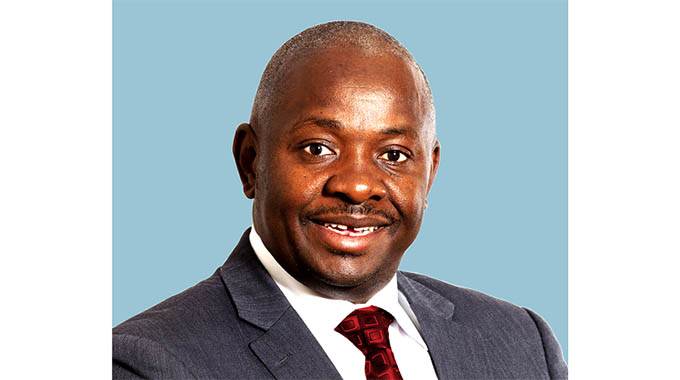
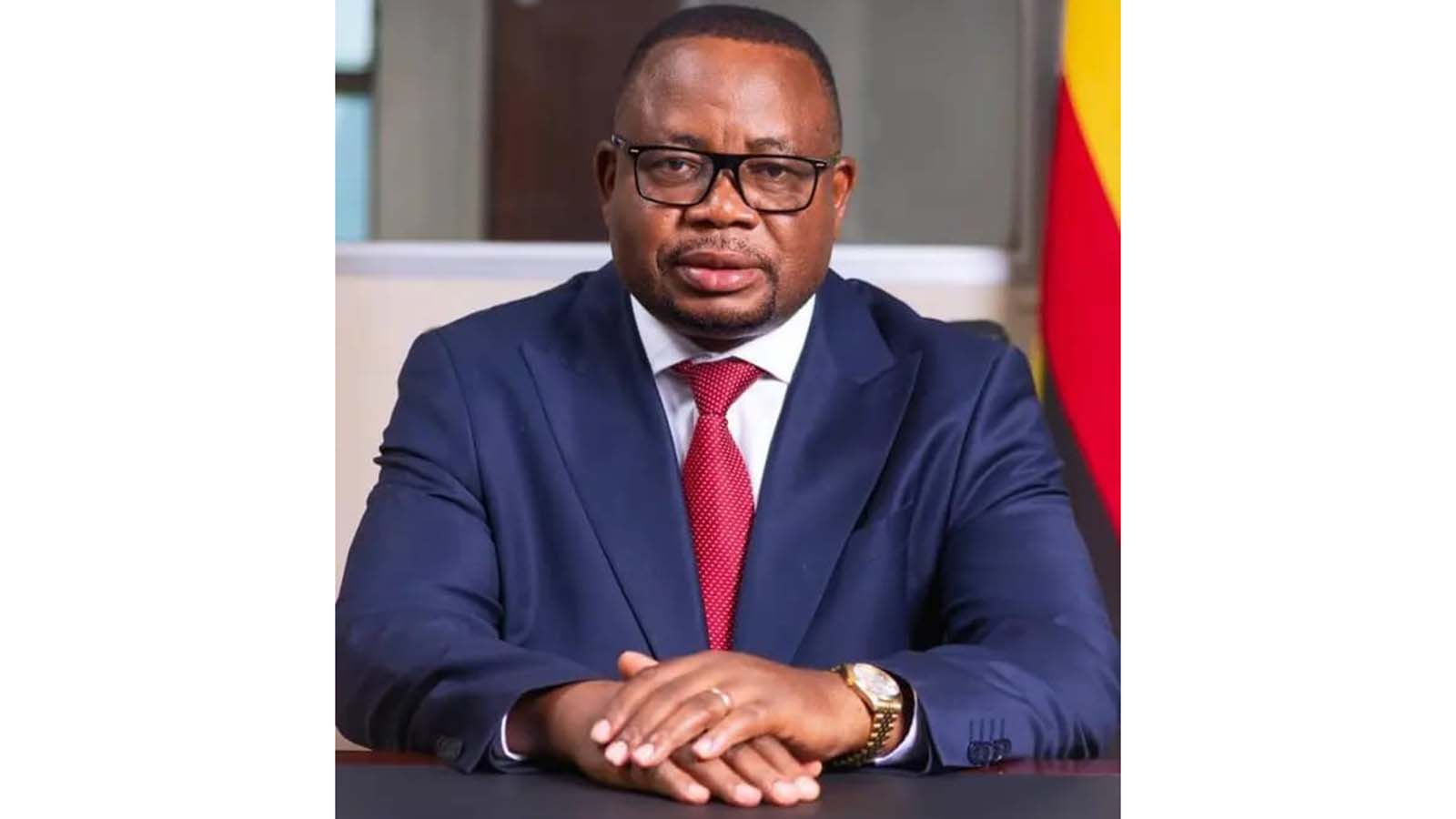
Officials of vehicle manufacturing companies from Belarus were recently in the country to set up a tractor and agro equipment site, as well as a bus manufacturing plant. Our reporter DEBRA MATABVU spoke to Permanent Secretary in the Ministry of Industry and Commerce DR THOMAS UTETE WUSHE on the latest developments.
*************************
Q: The Ministry of Industry and Commerce recently received a delegation from Belarus. Can you outline key highlights of the meeting?
A: The recent visit by a delegation from Belarus was a pivotal moment in our bilateral relations. Key highlights included constructive discussions across various clusters, reaffirming our commitment to strengthening ties through high-level visits and regular consultations. This meeting provided a platform to review progress and set the agenda for future collaborations.
Q: There are indications there were agreements signed, especially the collaboration with AVM Africa on bus manufacturing? Could you please shed more light on these agreements?
A: During the mid-term review of the inaugural session of the Joint Permanent Commission on Cooperation held from April 14 to 16, 2025, several key agreements were signed, but the collaboration with AVM Africa on bus manufacturing is particularly significant.
A memorandum of understanding was signed between the Republic of Zimbabwe and the Republic of Belarus, represented by the respective ministers of industry. This agreement, building on discussions that began in February 2024, establishes a framework for economic, trade and investment cooperation. AVM Africa’s discussions with JSC MAZ, the Belarusian vehicle manufacturer, and AFTRADE DMCC have led to an agreement on the supply of bus kits for local assembly. This is a crucial step towards revitalising our public transport sector and boosting local manufacturing.
Q: How will the partnership with Belarus complement AVM Africa’s existing operations?
A: This partnership is designed to complement and enhance AVM Africa’s existing operations by providing access to world-class technology and components from JSC MAZ.
The collaboration will see the supply of complete knockdown (CKD) kits, which will be assembled at AVM Africa’s plant.
This model allows AVM Africa to leverage its existing infrastructure and skilled workforce while benefitting from the superior engineering and design of MAZ vehicles.
It is a strategic move that will not only increase AVM Africa’s production capacity but also introduce a new range of high-quality buses to the Zimbabwean market.
Furthermore, we are exploring the use of locally sourced materials, such as steel from the Manhize plant, to be used in the manufacturing process, which further integrates and strengthens our local value chains.
Q: The ministry indicated that plans are underway to set up a tractor and agro equipment site. Where will the plant be located? Will the plant focus on assembling imported kits or full-scale local production from raw materials?
A: In addition to the bus manufacturing deal, we have ambitious plans for a new tractor and agro equipment plant. While Belarus has been a longstanding partner in supplying agricultural machinery, the new initiative aims to establish a local production facility.
A new tractor assembly plant is planned to be established in Harare. This facility will move beyond the simple importation of finished products and into local assembly and, eventually, manufacturing. This aligns with our goals of local value addition and import substitution, ensuring our farmers have consistent and affordable access to the equipment they need to enhance food security and agricultural productivity.
Q: Which are the preferred markets of the tractor and agro equipment? Will this initiative create opportunities for export to the region?
A: Our primary market for the initial phase of production will be the domestic market, serving our public transport and agriculture sectors.
However, our vision is much broader. With a stable supply of components from Belarus and our enhanced local manufacturing capabilities, Zimbabwe is well-positioned to become a regional hub for the assembly and distribution of MAZ vehicles and agro equipment. The quality and cost-effectiveness of these products will make them highly competitive in Southern African markets, presenting significant export opportunities and a new source of foreign currency for the country.
Q: What is the projected number of jobs that will be created, both directly and indirectly, from the two deals?
A: While an exact figure is still being determined as the commercial contract is being finalised, we anticipate a significant number of jobs to be created. This will include direct employment at the assembly plants for both bus and tractor production, as well as indirect jobs in ancillary industries.
The partnership will spur growth in the value chain, from local suppliers of steel and other materials to maintenance services, and will create opportunities for technicians, engineers and administrative staff. The ripple effect across the economy will be substantial, aligning with our National Development Strategy goals for job creation and economic empowerment.
Q: Will there be provisions for technology transfer and skills development for Zimbabwean engineers and technicians?
A: Technology transfer and skills development are cornerstones of these partnerships. The agreements with Belarus include specific provisions for the training of our local workforce.
This will involve Belarusian experts working alongside Zimbabwean technicians to transfer critical skills in modern vehicle assembly, maintenance and diagnostics. Furthermore, our ministry is engaging in broader cooperation in areas such as education, and science and technology to facilitate the exchange of knowledge and expertise.
This is a long-term investment in our human capital, ensuring that we are not only assembling products, but also building a sustainable knowledge base for our industrial future.
Q: How will local suppliers and small and medium enterprises (SMEs) be integrated into the value chain of these projects?
A: Integrating local suppliers and SMEs is a top priority. We are actively engaging with local industries to identify opportunities for them to supply raw materials and components, such as the steel from the Manhize plant. This approach ensures that the economic benefits of the projects are widely distributed, fostering the growth of local businesses and strengthening the entire domestic value chain. Our goal is to create a symbiotic relationship where the large-scale projects provide a consistent market for our SMEs, enabling them to expand and innovate.
Q: How do these two projects fit into Zimbabwe’s broader industrialisation and import substitution strategy?
A: These projects are a direct and powerful manifestation of Zimbabwe’s industrialisation and import substitution strategies. By assembling buses and tractors locally, we are reducing our reliance on imported finished products, thereby saving foreign currency and stimulating domestic economic activity.
They also promote value addition within our borders, transforming raw materials into high-value finished goods. This is precisely the kind of strategic initiative outlined in the National Development Strategy 1 (NDS1), which seeks to build a resilient and self-sufficient economy.
Q: Looking ahead, do you see Zimbabwe expanding cooperation with Belarus beyond tractors and buses into other sectors?
A: The future of our cooperation with Belarus is extremely promising and extends far beyond agriculture and transport. Discussions are already underway to explore partnerships in other key sectors, including mining, energy and even the production of lithium batteries, which is a significant area of focus given our country’s vast mineral resources.
Furthermore, our cooperation is broadening to include critical areas such as healthcare, with Belarusian medical professionals training our own, and in local governance and disaster risk management. We are building a comprehensive and multifaceted partnership that will continue to evolve and deepen for the mutual benefit of both our nations.