Peter Matika-Bulawayo Bureau
POLICE have intensified nationwide campaigns against gender-based violence as Zimbabwe joins the rest of the world in commemorating the 16 Days of Activism Against Gender-Based Violence, with authorities urging victims to break their silence and the cycle of abuse.
The campaigns, which are being spearheaded by police commanders across the country, in partnership with various stakeholders and across different platforms, including community engagements and radio programmes, as law enforcement agents seek to raise awareness about GBV and encourage victims to seek help.
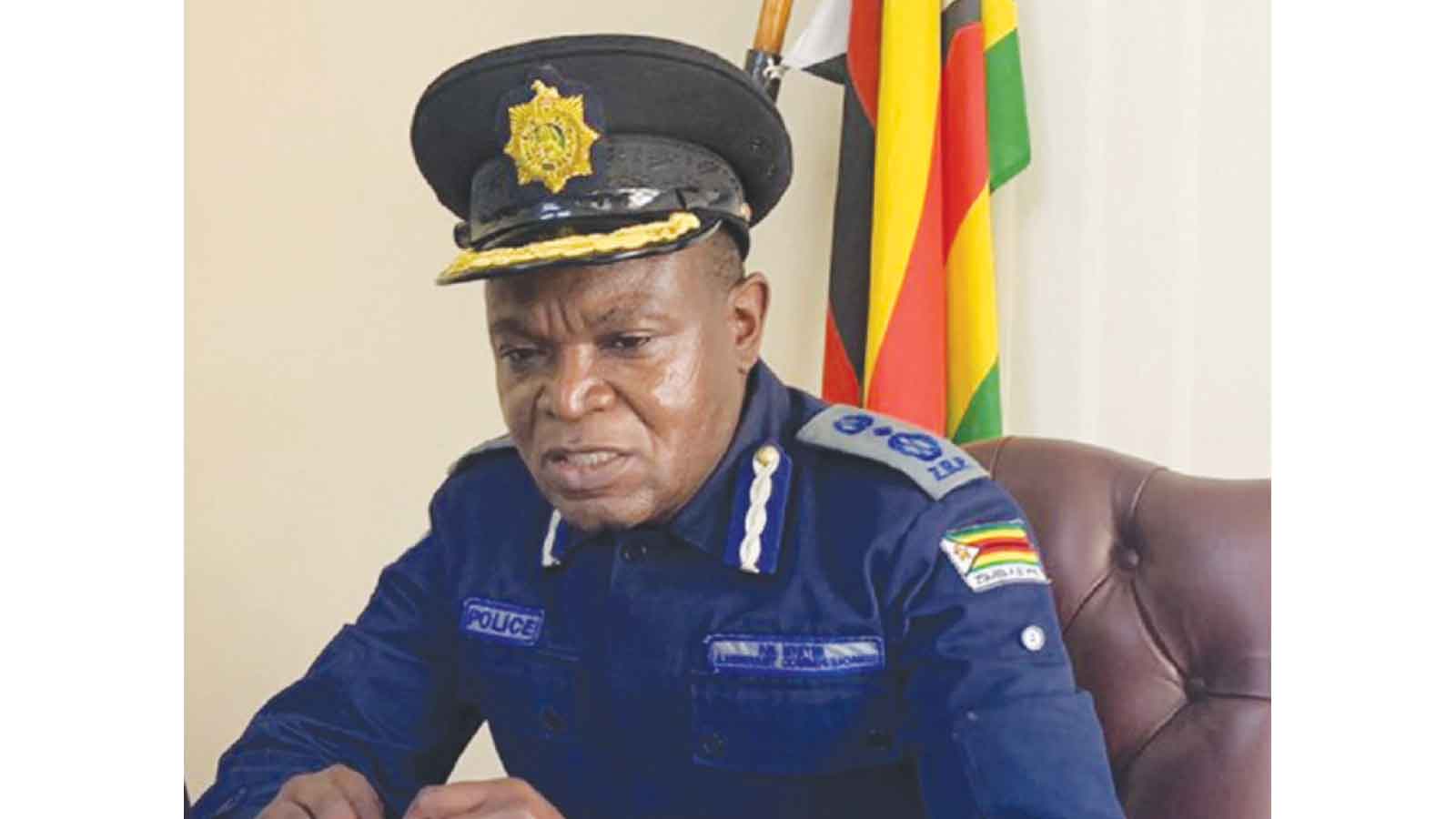
Police spokesperson Commissioner Paul Nyathi said the campaigns were being conducted countrywide, with police stations engaging communities and working with other sectors to address the scourge.
He said the initiatives were not limited to Zimbabwe, but were also being undertaken at regional level under the Southern African Development Community, reflecting the need for a collective approach to tackling gender-based violence.
“Police are conducting campaigns throughout the country, and these are being spearheaded by our commanders in different provinces. We’re working together with various stakeholders across all sectors, and some of these campaigns are also being conducted through radio programmes to reach as many people as possible,” he said.
“We’re also participating in activities at SADC level because gender-based violence is a challenge that requires collective efforts. It’s not something that the police can fight alone,” said Comm Nyathi.
He said police were also following up on wanted suspects linked to serious offences involving gender-based violence, including murder, rape and other forms of violence, as part of efforts to ensure perpetrators were brought to justice.
Comm Nyathi said every police station had a Victim Friendly Unit manned by trained officers who were equipped to handle GBV cases and provide assistance to victims in a sensitive and professional manner.
He said the units worked closely with the Department of Social Development, formerly Social Welfare, to ensure victims received the necessary support beyond the initial reporting and investigation stages.
“We’ve Victim Friendly Units at every police station, where we have trained officers who can deal with these cases. We also work in partnership with social welfare to ensure that victims receive the necessary assistance. We’ve a zero-tolerance approach towards police officers who turn away victims of gender-based violence,” said Comm Nyathi.
“No victim should be dismissed or discouraged from reporting abuse, regardless of their gender,” he added.
Comm Nyathi said men who experienced GBV were particularly encouraged to speak out, warning that the reluctance by some male victims to report abuse could have devastating consequences.
He said society must move away from the perception that men could not be victims of abuse, adding that silence and fear of ridicule often prevented them from seeking assistance.
“Men must also be able to talk about these issues and report cases of abuse. There is a tendency for some men to suffer in silence because of societal expectations, but this can have serious consequences, including cases of femicide.
“We want everyone who experiences abuse to come forward. Gender-based violence does not discriminate, and every victim deserves protection and assistance,” said Comm Nyathi.
He identified marriages, pressure from relatives, peer influence and the withdrawal of cases as some of the major setbacks confronting efforts to combat GBV.
He said some victims were persuaded to withdraw complaints or abandon cases following pressure from family members and other people close to them, allowing perpetrators to evade accountability.
Comm Nyathi said the withdrawal of cases, particularly where victims were pressured into changing their positions, continued to undermine police efforts to secure justice.
He urged communities not to interfere with investigations or encourage victims to reconcile with alleged perpetrators at the expense of their safety.
Comm Nyathi also raised concern over the influence of social media trends, which he said had contributed to a worrying culture of violence, with some people resorting to killing one another.
He said the normalisation of violent behaviour, coupled with the influence of online trends, required urgent attention from parents, communities and other stakeholders.
“Some of the challenges we’re experiencing include marriages, relatives who put pressure on victims, peer pressure and people withdrawing cases.
These things make our work difficult because victims sometimes end up abandoning cases before the courts.
“We have also observed worrying trends on social media, where people are influenced by certain behaviours and end up killing each other. This is something that society must take seriously,” said Comm Nyathi.
He called on all members of society, including traditional leaders, churches, community organisations, families and other institutions, to work together with police in preventing GBV.
Comm Nyathi said the fight against abuse required communities to challenge harmful attitudes, protect victims and encourage the reporting of offences rather than treating them as private family matters.
He urged victims and witnesses to report cases without fear, warning that sweeping abuse under the carpet was one of the biggest obstacles to police efforts to deal with the problem.
“People must not hide these cases or sweep them under the carpet. When cases are not reported, it becomes difficult for us to intervene and bring perpetrators to account.
“We need everyone to come on board. Communities must work with the police and other stakeholders because gender-based violence is a societal problem that requires all of us to take responsibility,” said Comm Nyathi.
The 16 Days of Activism Against Gender-Based Violence is an annual international campaign running from November 25, the International Day for the Elimination of Violence against Women, to December 10, Human Rights Day.
The campaign seeks to raise awareness, mobilise communities and strengthen efforts to prevent and respond to violence against women and girls, while encouraging broader action against all forms of gender-based violence.