daniel chigunwe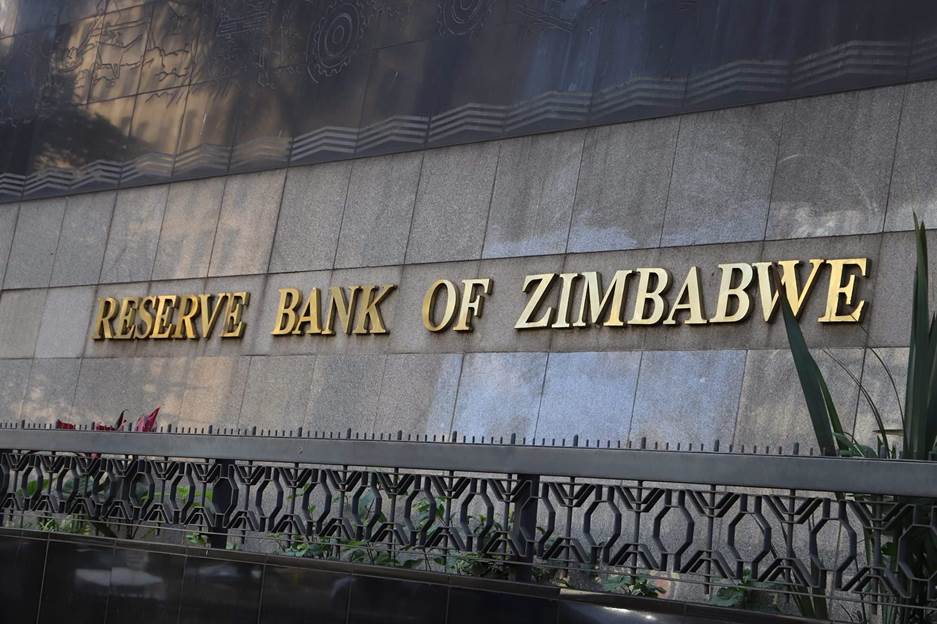
Economy Uncensored Tapiwanashe Mangwiro
In a recent revelation that has sent ripples through the corporate sector, the Reserve Bank of Zimbabwe (RBZ) declared that it will no longer provide foreign exchange (forex) to companies that already possess nostro balances.
This move, highlighted in a Business Weekly article last week, has raised significant concerns among businesses and financial analysts alike. The policy decision, intended to regulate forex availability, might have far-reaching and potentially adverse effects on the Zimbabwean economy.
The Reserve Bank’s decision aims to manage the country’s forex reserves more stringently. Nostro accounts, which hold foreign currency deposits, are seen by the RBZ as a buffer that companies can utilise in lieu of tapping into the national forex reserves.
However, this approach assumes that corporates’ existing forex balances are adequate to meet their operational needs, an assumption that may not hold true across various sectors.
There are several drawbacks to this restrictive policy, firstly, many businesses in Zimbabwe rely on foreign currency to import raw materials, pay for international services and meet other critical obligations.
Such a restriction on accessing additional forex could lead to operational disruptions, especially for companies whose nostro balances are insufficient for their needs. This can result in production delays, increased costs and potential losses, adversely affecting the overall economic activity.
The inability to access necessary forex funds can stifle business growth and innovation. Companies often need to invest in new technologies, expand their operations, or enter new markets, all of which require substantial forex.
Firms may find it challenging to compete regionally or globally if they are unable to make timely investments.
Furthermore, businesses need a stable and predictable financial environment to plan effectively. The volatility in local currency fluctuations and the high inflation experienced before April 2024, prior to the introduction of the ZiG currency, have already created a precarious financial landscape.
Denying companies access to forex can exacerbate this instability, making it harder for them to hedge against currency risks and protect their financial health.
Another significant concern is the potential erosion of investor confidence as investors look for stability and predictability. Policies that restrict access to necessary financial resources can deter both local and foreign investment.
If businesses face hurdles in securing forex, it signals a challenging operating environment, which can reduce the attractiveness of Zimbabwe as an investment destination.
The importance of forex savings cannot be overstated, firstly, forex savings allow companies to hedge against the devaluation of the local currency.
Through maintaining forex reserves, businesses can protect their value and ensure they can meet international obligations without incurring significant losses due to currency depreciation.
Additionally, holding forex reserves strengthens a company’s financial resilience. In times of economic uncertainty or global market fluctuations, businesses with robust forex savings can better navigate crises and this resilience is crucial for maintaining continuity in operations and protecting jobs.
Access to forex savings enables businesses to pursue strategic investments in capital goods, technology, and infrastructure.
These investments are critical for enhancing productivity, competitiveness, and long-term growth. Without adequate forex, companies might miss out on opportunities to modernise and expand.
For an economy heavily reliant on imports and exports, forex savings are essential and businesses need to pay for imports in foreign currency, and having ready access to these funds ensures smooth trade transactions. This is vital for maintaining supply chains and fulfilling international contracts.
The introduction of the ZiG currency in April 2024 was aimed at stabilising the local currency and curbing hyperinflation. While this new currency has shown promise in reducing inflation, the confidence in the ZiG is still building.
During this transitional period, companies remain cautious about fully relying on the local currency, given past experiences with extreme currency devaluation.
The RBZ’s policy to restrict access to forex for companies with nostro balances could undermine the intended stability offered by the ZiG. Businesses might perceive this move as a signal that forex will become increasingly scarce, prompting them to hold onto their existing forex reserves even more tightly.
This behaviour can reduce the overall liquidity in the financial system and exacerbate forex shortages.
The RBZ’s decision to limit forex access to companies with existing nostro balances is fraught with risks.
It places additional burdens on businesses already navigating a volatile economic environment and undermines their ability to plan and invest effectively.
To foster a more robust and resilient economy, it is crucial that businesses have the flexibility to save and access forex. This will not only enhance their operational stability but also build investor confidence, promote growth, and ensure that Zimbabwe remains competitive on the global stage.
As the economy continues to adjust to the ZiG currency, supportive policies that ensure adequate forex availability will be key to sustaining economic recovery and growth. The RBZ must consider the broader implications of its policies and strive to create an environment where businesses can thrive.
Tapiwanashe Mangwiro is a resident economist with the Business Weekly and writes this in his own capacity. @willoe_tee on twitter and Tapiwanashe Willoe Mangwiro on LinkedIn



 Online Reporter