

 Online Reporter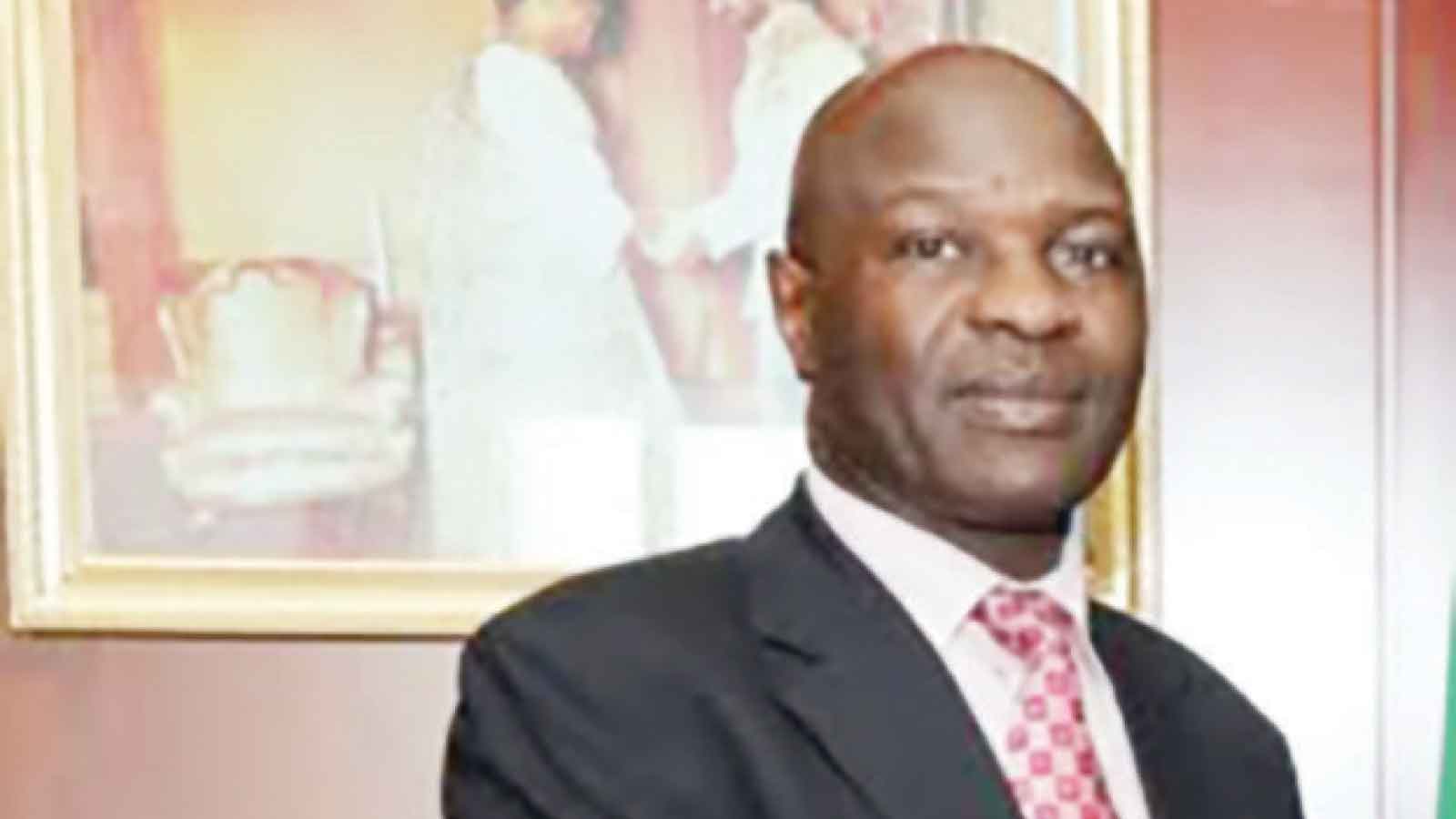
Nyore Madzianike
Senior Reporter
ZIMBABWE will implement the National Programme of Action with the same transparency, inclusivity, and strong political will to deliver meaningful and sustainable results for its citizens.
Africa Peer Review Mechanism (APRM) Zimbabwe Focal Point Person and Ministry of Foreign Affairs and International Trade Secretary Ambassador Albert Chimbindi made this statement during the closing session of a four-day workshop on the development of Zimbabwe’s APRM National Programme of Action, held in Harare last Friday.
Amb Chimbindi expressed confidence that Zimbabweans will rise to the occasion, adding that the development and implementation of the National Programme of Action is a shared national responsibility that requires continued coordination, collaboration and commitment from all stakeholders.
He noted that the workshop represents a milestone in Zimbabwe’s governance journey and marks an important step in translating recommendations contained in the targeted review report on economic governance and management into practical, measurable, and sustainable actions that will advance national development objectives.
Zimbabwe undertook a targeted review on economic governance and management in November last year, and President Mnangagwa presented a report on the findings during the African union Summit held in Ethiopia.
“So whatever we do and whatever we have come up with should actually make a positive difference, a positive impact on the lives and livelihoods of the people of Zimbabwe,” Amb Chimbindi said.
“It’s not the flamboyance of the language that we use, or the length of the documents that we produce, or the time that we spend producing the documents that matters, but what we have come up with will be translated into tangible, beneficial aspects of the lives and livelihoods of the people of Zimbabwe.”
He expressed gratitude to President Mnangagwa for his visionary leadership and firm commitment to the principles of the African Peer Review Mechanism. He said the President’s decision to accede to the APRM reflected Zimbabwe’s commitment to the values of peer learning, transparency, and accountability as essential pillars of sustainable development.
He also commended the President for his active participation at the 35th Ordinary Session of the APRM Forum of Heads of State and Government, where Zimbabwe’s targeted review report was successfully presented and peer-reviewed by fellow African leaders.
“This milestone reaffirmed Zimbabwe’s commitment to strengthening transparency, accountability, and continuous improvement in economic governance.”
Amb Chimbindi said Zimbabwe was commended by its peers for its transformative economic policies, which demonstrate the country’s continued efforts to strengthen economic governance and management. These policies include the land reform programme, the Village Business and Innovation Hubs under the heritage-based Education 5.0 model.
“It was impressive, and it continues to impress others. We are already receiving requests from other countries to come and actually study how we are implementing this heritage-based education system,” he said.
“So, this initiative reflects Zimbabwe’s determination to pursue homegrown solutions that respond to our national realities while contributing to Africa’s broader development agenda.”
He said the APRM continues to provide an important platform for peer learning, policy dialogue, and mutual respect while recognising the sovereign right of each member state to pursue development strategies suited to its unique national context, priorities, and circumstances.
The objective of the workshop, he said, was to support Zimbabwe, through the Coordinating Secretariat, in developing a comprehensive, costed, and results-oriented national programme of action fully aligned with the National Development Strategy 2 (NDS2).
“The harmonisation of the national programme of action with the national planning frameworks ensures that APRM-driven reforms are integrated within our national policy and budgeting system, rather than implemented as standalone initiatives. This alignment enhances sustainability and reinforces national ownership of the reform process.
“I am pleased to note that through your collective efforts, we have successfully produced a comprehensive matrix of actions that is directly aligned with the priorities of the National Development Strategy 2. The task before us now is, as has already been indicated clearly, to implement, and implement, and implement, so that we transform what we have as a wish list into concrete action.
“So in terms of Government commitment, let me state here and now, and very forcefully so, on behalf of the Government, the very strong commitment in implementing the National Programme of Action. This was also alluded to by His Excellency the President after the presentation of the report, when he made his comments, that this is a key framework for strengthening governance, accountability, and sustainable development.
“Please also let me reiterate this assurance — and I am addressing the Secretary now — that you have to go knowing fully well that we have the highest level of political commitment in this country. We assure the APRM and the wider African community that implementation will be undertaken with the same transparency, inclusivity, and strong political will in order to deliver meaningful and sustainable results for our people.
“We agree that work has just started. I am confident that the resilient people of the Republic of Zimbabwe will rise to the occasion, as they have done before. I can assure you of that, and I am confident of it.”
Amb Chimbindi thanked all participants at the workshop, assuring them that their efforts will not go in vain. He pledged to continue working together with them.
“Zimbabwe remains firmly committed to contributing actively to the strengthening of the APRM as a continental instrument for promoting democratic governance, sound economic management, and sustainable development issues across Africa.
“As we pursue Vision 2030, we must remain guided by the principle that the country is built by its own people, and this is also part of the process. We are building our own country through participation, by identifying issues that need to be addressed, and we will continue to do so by implementing what we have committed to.”



