admin
admin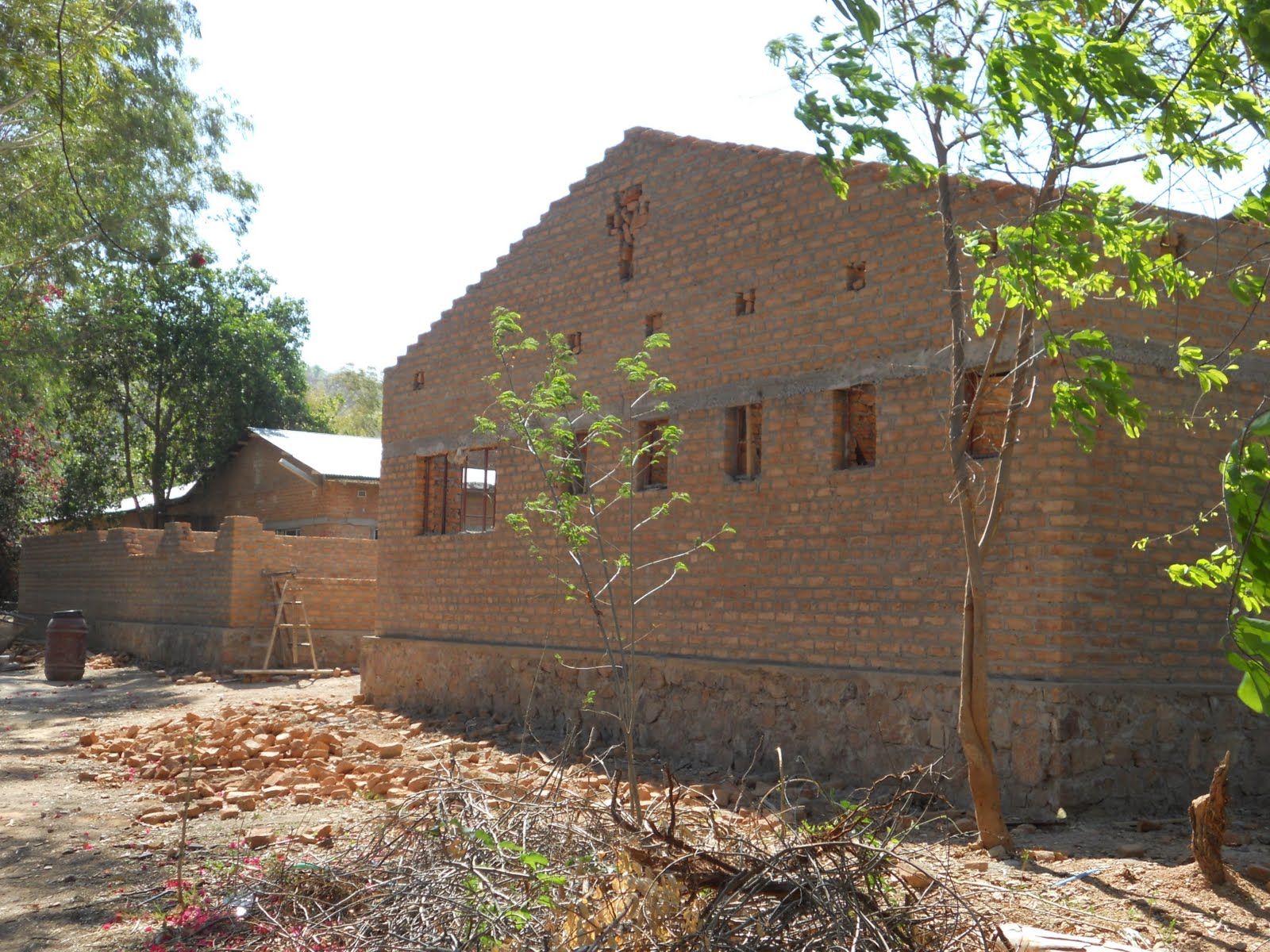
Sukulwenkosi Dube Plumtree Correspondent
A WRITER, Marva Collins, once said: “There is a brilliant child locked inside every student.” It is unfortunate that the brilliancy is some children is never unearthed during their course of study due to various reasons. Among them is the harsh learning environment which some children are exposed to while in school.
While some children are at liberty to learn in well equipped schools for others the school environment is a living hell.
This is so as some children in rural schools are forced to endure the burden of carrying their own chairs to school. Others are forced to learn while sitting on the floor and some on rocks. The floor or their laps are the only desks they have known through their term of study.
In worse situations some children learn from inappropriate buildings such as poorly thatched huts. Some even learn in the open air.
Such circumstances are a stumbling block in a child’s journey through education.
This only but proves that there still exists a huge gap in the drive to provide children with quality education as children are learning from schools which are not fully established.
Writer, John Dewey once said: “Education is not preparation for life, education is life itself,” while Lon Watters said: “A school is a building that has four walls with tomorrow inside.”
The life and tomorrow of some these youngsters is, however, thrown down the drain if they are learning from improper facilities.
Mangwe Rural District Council Chief Executive Officer Nketha Mangoye Dlamini said harsh learning environment demotivated students from attending school.
“The environment in which children are learning from can either motivate them or put them off. In this case having to carry a chair to school in addition to travelling long distances becomes a huge burden to children.
“It unfortunate that after walking long distances children are met by more conditions such as sitting on the floor, learning under trees and learning from unroofed classrooms,” said Mangoye.
“Eventually the picture which children have of the school environment is unpleasant. They view learning a burdensome endeavour.
“Some children in rural areas have dropped out of school because to them it is an unpleasant environment. Some parents who do not understand the importance of school end convincing their children to stay at home in a bid to spare them all the hustles of school life.”
The Ministry of Primary and Secondary Education has in a bid to make education accessible to many children opened up satellite schools. These are synonymous with old, deserted and poorly constructed huts.
At the same time a number of schools are mushrooming in various parts of rural communities and they become operational before their construction is complete.
In the process the Ministry has not paid any particular attention on whether these sites have proper learning structures.
While embarking on the drive towards increasing the number of schools, the creation of enabling learning environments should not be neglected.
It has been emphasised that the duty of developing a conducive learning environment for children in rural areas mainly lies with parents.
Communities in rural areas have been tasked with building schools using their own funds. For example the District of Bulilima currently has seven community driven school projects running.
This does not however overrule the involvement of local authorities and other government departments in establishing proper learning environment in schools.
In a recent visit to Bulilima District, Matabeleland South Provincial Administrator Midard Khumalo lamented the poor learning conditions which some children were exposed to.
He visited Gwambe and Mzwanyana Secondary Schools where he learnt that children were leaning while sitting on the floor while others resorted to carrying their own chairs to school.
“It is not ideal if children have to learn while sitting on the floor or if they have to carry their chairs from home. Some of these children are Form Four pupils and such learning conditions have an impact on their performance.
“Children have to be given a complete package in school. This involves the availability of learning material, quality teachers, walkable distances to schools as well proper learning environments,” said Khumalo.
He also urged local authorities to monitor learning environments in their districts.
“Make sure that schools develop. If children started the year sitting on the floor the year should end with all children sitting on proper desks and chairs. If classrooms are not roofed then efforts should made to improve their state. The school environment should be welcoming to both children and teachers,” said Khumalo.
Education officials have lamented the failure by teachers to co-operate when being deployed in rural schools. A number of teachers mostly qualified shun rural schools especially those which are poorly established.
At the same time staff members are quick to be criticised once pupils in such schools perform badly.
However there is a need to consider whether the learning environment does not weigh down the performance.
An education official from Bulilima District said schools were failing to provide a wide curriculum for pupils because of the absence of essential facilities.
“A number of schools cannot offer Science subjects or practical subjects just because they lack services like electricity and water. As a result children miss out in learning subjects which could be crucial to them.
“A number of people have taken up their practical subjects as their career path but most pupils in rural areas are not at liberty to do that. Many schools are only offering agriculture as their practical subjects but children have to be exposed to a variety,” said the official.



 Online Reporter