Coach Molly Chuma
Grooming
MANY people believe opportunities are lost because of lack of qualifications, experience, or connections. While these factors matter, there is a quieter and often overlooked reason many doors remain closed. Poor etiquette.
Every day, opportunities pass us by, not because we are incapable, but because of how we speak, listen, arrive, respond, or present ourselves.
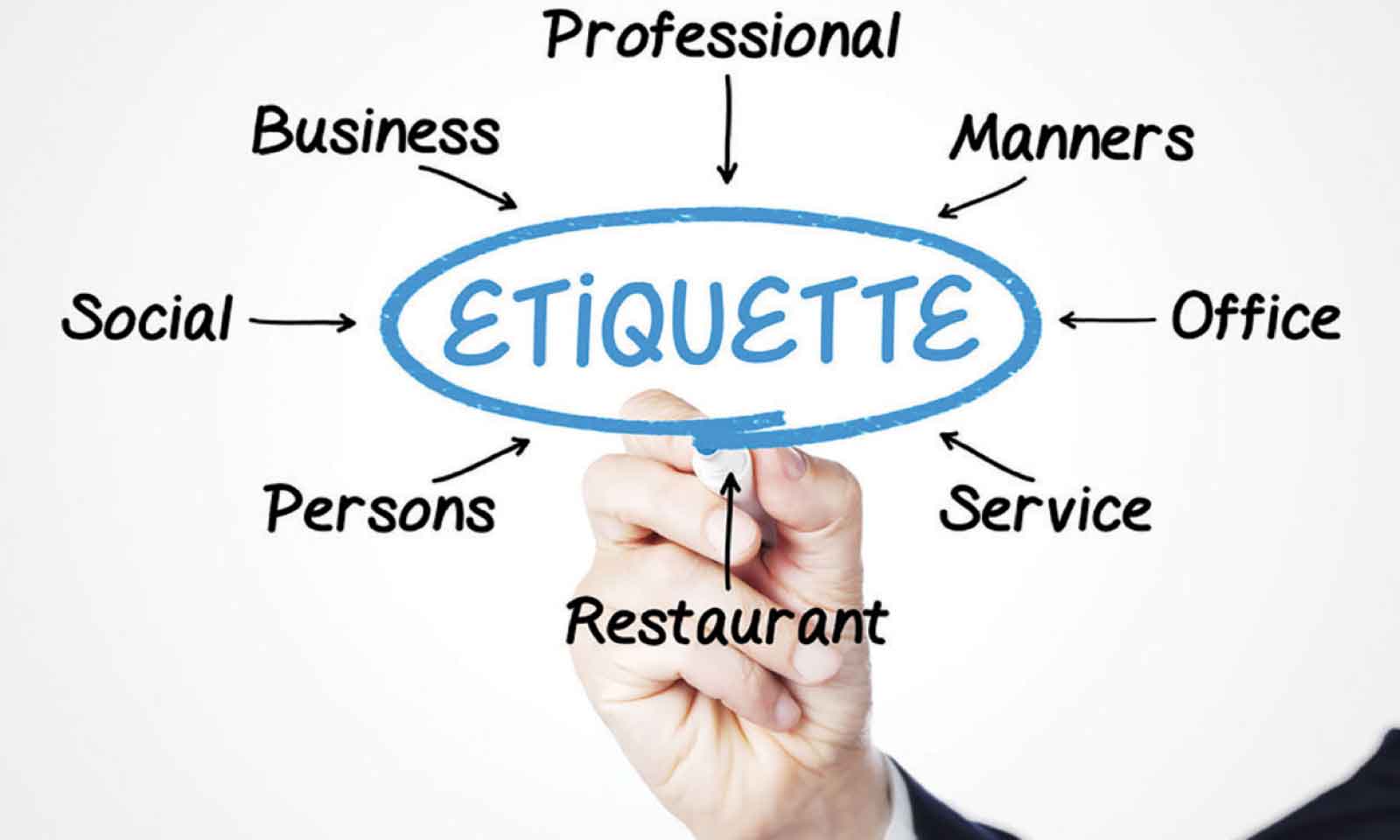
Etiquette is not about being rigid or outdated. It is about knowing how to carry oneself with awareness, respect, and emotional intelligence in everyday interactions.
In a competitive world, small behaviours make a big difference.
The silent language people judge first
Before a word is spoken, etiquette is already at work. How we greet others, whether we make eye contact, how we sit, how we listen, and how we handle our phones all communicate messages about who we are.
A weak greeting, poor posture, lateness, or excessive phone use signals disinterest and lack of discipline. On the other hand, a warm greeting, attentiveness, and courtesy signal reliability and confidence.
People may never tell you why they chose someone else, but etiquette is often the deciding factor.
Lateness is more costly than we think
Being late has become normalised in many spaces, yet it remains one of the quickest ways to lose trust. Time is one of the most valuable resources people have. When we arrive late, we communicate that our time is more important than everyone else’s.
Job interviews, meetings, church services, workshops, and social gatherings all require respect for time. Opportunities are often given to those who demonstrate reliability long before talent is considered.
Phone etiquette is closing doors
Poor phone etiquette is one of the biggest modern-day opportunity killers. Taking calls during meetings, scrolling while someone is speaking, or constantly checking messages communicates disrespect.
Attention is currency. When people feel unheard or undervalued, they disengage. Many potential mentors, clients, and collaborators quietly withdraw when they sense that someone cannot give full presence.
Communication matters more than content
What we say matters, but how we say it matters more. Interrupting others, raising one’s voice unnecessarily, speaking aggressively, or dismissing opinions shuts down dialogue.
Professionals who know how to express disagreement respectfully, listen actively, and respond thoughtfully are often perceived as leaders, even without titles.
Appearance is still part of etiquette
While society encourages us not to judge by appearance, reality shows that presentation still matters. Poor grooming, inappropriate dressing, or careless appearance sends signals of disorganisation and lack of seriousness.
This is not about expensive clothes. It is about cleanliness, neatness, and suitability for the occasion. People trust those who appear intentional.
Etiquette builds reputation over time
Reputation is not built in one moment. It is shaped by repeated behaviour. How you treat receptionists, junior staff, waiters, drivers, and strangers matters.
Often, opportunities come through recommendations. When your name is mentioned, etiquette determines what is said next.
Teaching etiquette is an investment, not a luxury
Many people were never formally taught etiquette. This is not a personal failure, but it does mean learning becomes a responsibility.
Etiquette can be learned at any age. It begins with self-awareness, humility, and a willingness to grow. Small changes in behaviour can produce significant results.
A call to reflection
Before blaming the economy, competition, or lack of connections, it is worth asking an honest question. Could my etiquette be standing in the way?
Opportunities rarely announce why they leave. They simply move on.
When we improve our etiquette, we increase our chances, strengthen our relationships, and position ourselves for growth.
In a world where many people overlook basics, good etiquette quietly sets you apart.
Coach Molly Chuma is a Speaker, Grooming and Etiquette Coach, and Confidence Trainer. She trains professionals and young people in confidence, personal presentation, and self-leadership./Contact: +263 772 956 884 | coachmolly.chuma@ gmail.com