Moffat Mungazi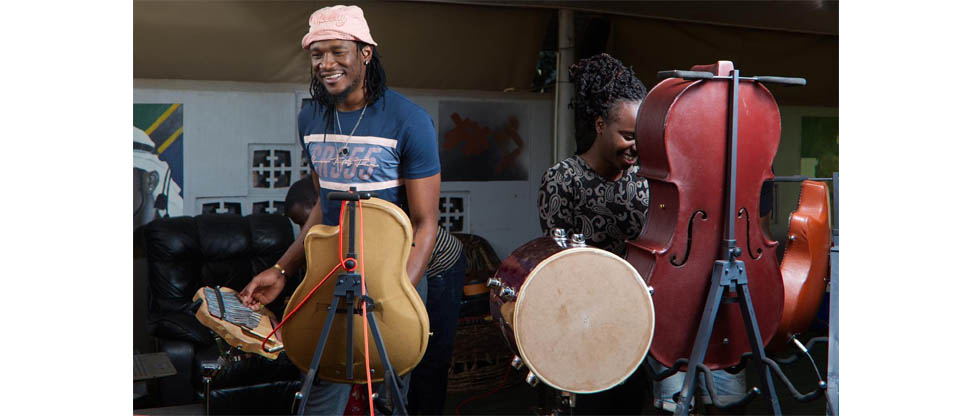
Rodgers Irimayi
Cultural Perspectives
ZIMBABWE’S popular culture, particularly in the context of Zimbabwean music, has gone through significant evolution and diversification.
The introduction of modern musical instruments, dances and stage choreographs has shifted drastically from the once popular traditional music and dancing styles.
The dynamics in the music industry reflect a lively interaction between tradition and modernity.
In as much as creativity is concerned, musicians continue to incorporate their cultural heritage in addressing social, political and economic issues.
Importance of music in society
It must be noted that each country’s cultural identity is characterised by its original traditional music.
Our music pays a vital role as it influences the nation’s infused music, rich in cultural heritage, reflecting its history, identity, and social fabric.
Zimbabwean’s music industry serves as a platform of expressing socio-political commentary as calls are made through lyrics to have social and political reforms.
During the liberation struggle, music played a pivotal in encouraging freedom fighters and other youths to join the war.
Through music, community cohesion is strengthened and encourages people to participate in social events which brings them together.
Another important aspect is the emotional and spiritual connection brought about by music as it connects individuals with their religions, and the spiritual realm which comforts and provides guidance.
Various musical expressions reflect contemporary themes, lifestyles, and influences resulting in the rise of various musical genres we now have in Zimbabwe.
Traditional genres
Mbira music is a type of Zimbabwean’s unique music which is characterised by the use of indigenous instruments which include mbira (thumb piano), marimba (wooden xylophone), hosho (rattles/shakers), magavhu (leg shakers) and drums (ngoma).
Mbira music is often performed during events such as traditional healing, funerals, and initiation rites.
This music serves as a means of storytelling, preserving history and folklore, and also connecting the community with ancestral spirits.
The mbira is central to Shona music, and is often played during ceremonies to invoke spirits (vadzimu) or for entertainment.
Playing mbira is often attached to spirituality and cultural identity among the Shona people, with its rhythms and melodies believed to facilitate communication with ancestors.
However, the mbira instrument is now being fused into modern contemporary music by artistes these days.
Artistes such as Thomas Mapfumo, Jah Prayzah, Andy Muridzo, Mbira Dzenharira and many others have found solace in incorporating mbira in their music.
Chimurenga music is another genre which was popularised by artistes like Thomas Mapfumo who emerged during the liberation war struggle and produced songs against colonial rule.
He incorporated traditional sounds and politically charged lyrics that resonated well with the armed struggle.
Lyrics such as Tondotumira Vana Kuhondo even led to his arrest by the Rhodesian government.
So, traditional genres were used to express resistance and the struggles of the black majority and also served to express political concerns at the same time using music as a soundtrack to national pride.
Modern genres
There are several developments that started shaping the musical industry with the coming of instruments such as the guitar.
Sungura music developed as a popular genre that emerged in the 1980s, characterised by its unique rhythms and melodies.
This type of music was accompanied by traditional instruments and it became an integral part of Zimbabwean music.
Although it is now being called museve because of the Aleck Macheso dance movements, the music is easily identified by the original rhythmic sounds and tempo of the guitar instruments.
Artistes such as Gift Amuli, Sugar Sugar, the late Tongai Moyo, Nicholas Zachariah and many others all fall into this sungura category.
Other have tried to break away such as Tryson and Sulumani, the Chimbetu brothers who adopted the dendera music from their fathers, Simon and Naison Chimbetu, but the root still remains in sungura.
Urban grooves emerged in the late 1990s and early 2000s, and is a genre that blends a variety of musical styles which including R&B, hip-hop, reggae, and traditional African music.
Lyrics are often in Shona, English and Ndebele, and other local languages as the artistes express daily life experiences, love, hardships, aspirations, social and political commentary.
This type of music often features modern technological instruments and production techniques.
Artistes like Winky D and Tocky Vibes and many others played significant roles in promoting urban grooves.
Their music resonates with the younger generation, as they capture contemporary Zimbabwean experiences.
Zim-dancehall is another genre that has gained popularity in recent years, and it is characterised by its upbeat rhythms and lyrics.
This type of music is used by youths to express their thoughts, emotions, and cultural identity, often serving as an anthem for their generation.
It reflects societal changes and challenges, addressing themes such as unemployment which has hit hard on them, poverty, and the quest for freedom, making it a voice for the disenfranchised.
International Influences: The genre has been influenced by global music trends, particularly from the West and other parts of Africa, leading to a fusion of styles.
Holy Ten, Michel Mags and many artistes in this category have become popular Zim-dancehall artistes to reckon with.
Zim-dancehall artistes often collaborate with musicians from other genres, including gospel, traditional music, and Afro-beats, broadening their appeal and influence.
They often compete during cupclash challenges where they sing following provided rhythms on the stage.
Advances in technology have allowed these artistes to produce high-quality music, making it appealing both locally and internationally.
While this genre is popular, it sometimes lacks the institutional support seen in more established genres, affecting its sustainability.
Gospel music
Gospel music has become increasingly popular in Zimbabwe as it blends traditional musical styles with Christian themes. Artistes such as Fungisai Zvakavapano-Mashavave, Dorcas Moyo, Charles and Olivia Charamba are, just, but a few of those who are popular and draw crowds to their shows.
This music plays a significant role in spiritual and communal gatherings, providing solace and reinforcing cultural values and unity.
Choral music
Choral music in Zimbabwe often involves groups singing harmoniously and sometimes without instruments. Choirs blending traditional harmonies with Western melodies.
Choral music is mostly popular in schools and colleges as well as churches.
Choral groups provide of social cohesion and avenues for community engagement and cultural exchange.
They also have emotional and spiritual attachment which comfort and restrain bad behaviour.
Collaboration with other genres
Musical artistes often collaborate with musicians from other genres such as gospel, traditional music, and Afro-beats as they fuse their songs resulting in high quality music productions.
Some artistes have even gained recognition beyond borders, attracting people in other African countries and on global platforms as they collaborate with musicians from neighbouring countries.
Rockie’s collaboration with Koffi Olomide, a rhumba artiste from the Democratic Republic of Congo, provides a good example of genres collaborations cross cutting beyond geographical boundaries.
Impact of social media and technology
Social media has greatly affected the access and distribution of music worldwide.
The rise of the internet and social media platforms such as YouTube and WhatsApp has allowed artistes to distribute their music more widely and connect with fans directly which has changed the traditional music industry.
Social media have further popularised the musical landscape, and have enabled songs to reach a global audience.
Promotion and support
The music industry lacks the institutional support which affect the artistes and their families.
Although Government sometimes holds musical galas where musicians are invited to present, only a few already established and upcoming groups are engaged.
Zimbabwean cultural music is a dynamic and essential aspect of the nation’s identity, so it requires proper policies that promote and protect those in the industry.
The establishment of community radio stations that can be accessed by artistes will go a long way in uplifting the talented artistes in our communities as the industry is a profession that reduces unemployment.
Challenges
The major challenge being faced by artistes especially with the growing use of social media is piracy.
The music industry in Zimbabwe is struggling with piracy which impacts heavily on the artistes’ revenue and livelihoods.
Only the establishment of strict policies and monitoring mechanisms will be able to control music piracy.
Rodgers Irimayi is the Ministry of Information, Publicity and Broadcasting Services Masvingo Provincial Information Officer. He writes in his personal capacity and can be contacted on +263778246098 or [email protected].



 Online Reporter