


 Vusumuzi Dube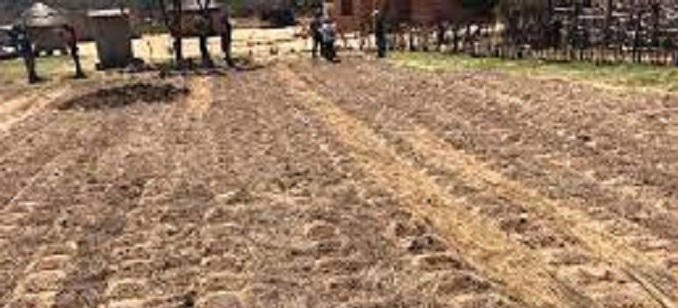
Judith Phiri, Business Reporter
AS preparation for the 2023/2024 summer cropping are underway, the Government continues to urge farmers to play ball by strengthening the adoption of climate-proof agriculture methods such as Pfumvudza/Intwasa to guarantee a good harvest.
In a statement, the Ministry of Land, Agriculture, Water, Fisheries and Rural Development said potholing, as an agricultural technique that involves minimal soil disturbance and the creation of small depressions or potholes in the field, had a number of benefits.
“Some benefits of potholing in agriculture include water conservation as it helps to conserve water by creating small depressions that collect and retain rainfall or irrigation water. These potholes act as mini-reservoirs, reducing water runoff and allowing it to infiltrate into the soil, which helps to improve soil moisture retention and reduce water loss.
“There is improved soil health as potholing promotes improved soil health by minimising soil erosion and compaction. The technique helps to maintain soil structure, preserve soil organic matter, and enhance soil fertility. The small depressions created by potholing also provide micro-habitats for beneficial soil organisms, promoting biodiversity and nutrient cycling,” said the Ministry.
It said another key benefit of the Pfumvudza/Intwasa technique was reduced weed growth by creating a microenvironment that is less favourable for weed establishment and growth.
The Ministry said the depressions can act as physical barriers, preventing weed seeds from germinating and competing with crops for resources such as water and nutrients.
“Potholing can also improve crop resilience to drought and extreme weather conditions. The small depressions capture and retain water, providing a localised water source for crops during dry periods. This can help crops withstand water stress and maintain productivity even in challenging environmental conditions. While, potholing has been shown to increase crop yields in certain agricultural systems, by improving soil moisture availability, reducing weed competition and enhancing soil fertility, potholing can contribute to higher crop yields and improved overall farm productivity,” read part of the statement.
In terms of environmental sustainability, the Ministry said the technique (potholing), aligns with principles of sustainable agriculture by minimising soil disturbance and promoting soil conservation.
It said the technique helps to reduce the use of synthetic inputs such as herbicides and fertilisers, leading to a more environmentally friendly farming approach.
“It’s important to note that the benefits of potholing in agriculture can vary depending on factors such as soil type, climate, crop selection, and management practices. Farmers should consider local conditions and consult with agricultural experts to determine the suitability and potential benefits of potholing for their specific farming systems,” added the Ministry.
“By implementing this technique, farmers can promote sustainable farming practices and potentially improve their agricultural productivity and resilience.”



 derick.khumalo
 Online Reporter