Online Reporter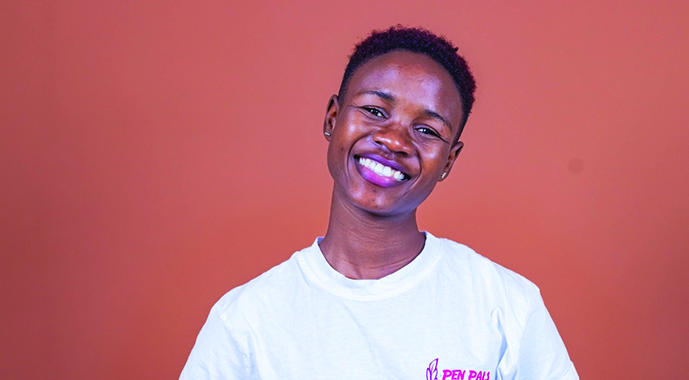
Mbulelo Mpofu [email protected]
A year ago, Angela Sibanda quietly launched a podcast dedicated to books, writers and the preservation of Zimbabwean stories.
Today, that same project has earned her a place among some of Africa’s leading storytellers after she was nominated for the 2026 Afrotellers Conference in Mombasa, Kenya.
For the former Chronicle intern and showbiz journalist, the recognition is both a personal milestone and validation of the work she has been doing to ensure Zimbabwean literary voices are documented, celebrated and remembered.
Sibanda was shortlisted for the continental conference through her podcast, Ingwalo Labalobi, a weekly programme that focuses on authors, books and the importance of preserving Zimbabwe’s storytelling traditions.
The nomination comes less than a year after the podcast was launched, making the achievement all the more remarkable for a young creative who has been building her own platform from the ground up.
The third edition of the Afrotellers Conference will take place from October 27 to 31 at the PrideInn Paradise Resort in Mombasa under the theme, “Narrative Sovereignty in the Age of AI and Shifting Global Power.”
The gathering will bring together storytellers, creatives, researchers, policymakers and cultural leaders from across Africa and the diaspora to discuss the future of African storytelling in an increasingly digital world.
For Sibanda, the invitation arrived when she least expected it.
“When I received the invitation, I had already given up hope on it because I had been checking and realised they hadn’t responded,” she said.
Like many young creatives constantly applying for opportunities, grants and fellowships, she had already moved on and focused her energy elsewhere. The application had become one of many she had submitted, and with no response forthcoming, she assumed it had not been successful.
Then came the email.
“So, I literally screamed in joy,” she said.
The excitement was understandable. Sibanda admits she never imagined that a podcast barely a year old would catch the attention of an organisation with the reach and influence of Afrotellers.
Ingwalo Labalobi was born out of a desire to preserve Zimbabwean stories and celebrate local writers whose work often struggles to reach wider audiences. Through interviews, discussions and literary conversations, the platform seeks to archive stories and storytelling methods that are deeply rooted in Zimbabwean culture.
For someone whose work is centred on protecting and documenting narratives, the recognition feels especially significant at a time when artificial intelligence is rapidly changing how information is created, consumed and shared.
“Looking at Ingwalo Labalobi, it’s only been a year in existence and as a storytelling show that is focused on archiving our stories and our storytelling methods as a people and as Zimbabweans, I didn’t expect to get in,” she said.
The nomination also highlights a challenge many young creatives face: building credibility without the support of an established institution.
Sibanda believes there are advantages to working within recognised media organisations, where a reputation has already been built over many years. Those entering such spaces often benefit from the trust and recognition earned by those who came before them.
“It’s easier for us to penetrate already existing media spaces and thrive. Sometimes we’re thriving on the reputation that the people before us have set. Sometimes we’re thriving on the reputation of the organisation itself.”
Building an independent platform, however, is a completely different journey.
Every follower, listener and supporter has to be earned. Every lesson is learned through trial and error. There are no guarantees that the effort will succeed.
“But to then build something from scratch, you’re not even sure. You’re just learning as you go,” she said.
That is why the Afrotellers nomination means so much to her.
Coming barely a year after launching the podcast, the recognition serves as proof that the work is making an impact beyond Zimbabwe’s borders.
“And within a year, being recognised by a regional platform, for me, it’s mind-blowing, but it also affirms that whatever we are doing at Ingwalo Labalobi is something that matters,” she said.
The timing is also fitting. The 2026 conference will focus on some of the most pressing issues facing storytellers today, particularly the influence of artificial intelligence, algorithms and digital platforms on the stories people see and engage with.
More than 200 participants from across Africa and the diaspora are expected to attend. Discussions will centre on who creates, controls and distributes African narratives in a world where technology increasingly shapes public discourse.
The conference programme will revolve around three major themes: AI, Algorithmic Colonialism and Narrative Futures; From Practice to Policy and Policy to Practice; and Cultural Economy and Sustainability of Afrikan Narratives.
Participants will explore topics such as African language representation in artificial intelligence, synthetic media, information warfare and emerging digital tools being developed by African storytellers. Other sessions will examine policy issues and explore ways of creating sustainable storytelling industries that are not entirely dependent on external funding and foreign platforms.
While Sibanda is eager to showcase her work, she is equally excited about the opportunity to learn from others and build meaningful connections.
She views the conference not simply as a platform to talk about her podcast, but as a chance to engage with fellow creatives from across the continent and explore future collaborations.
“I’m looking forward to all the learning that’s going to come from it and the networking because this is not only a platform for me to go and present. It’s also a platform for me to go and network and see if I can explore possible collaborations outside Zimbabwe or within Zimbabwe with all these other people.”
She will be joining a diverse group of storytellers and creative practitioners from various countries and disciplines, ranging from podcasters and filmmakers to musicians, artists and cultural advocates.
The Afrotellers nomination is the latest chapter in a growing creative journey that has seen Sibanda move beyond traditional journalism and into projects focused on nurturing new voices.
Last year, she launched Pen Pals and Prose, a national short-story writing competition aimed at identifying, mentoring and publishing talented young writers from disadvantaged backgrounds.
The initiative is expected to culminate in the publication of an anthology featuring new literary voices.
Both Pen Pals and Prose and Ingwalo Labalobi are driven by the same belief: that young Zimbabweans should have opportunities to tell their own stories and shape their own narratives.
That philosophy aligns closely with the vision of Afrotellers, a movement that has grown into an influential platform linking storytelling, culture and social change across Africa. The 2026 conference, which is being convened in partnership with the Cultural Policy and Management
Department at the University of the Witwatersrand, will also mark the launch of the Afrotellers 2026-2030 Strategy.
For Sibanda, however, the nomination is not an endpoint.
It is another step in a journey that began with a passion for stories and a willingness to create opportunities rather than wait for them.
“I’m just a young person who is trying to build something from the ground,” she said.
From her days as a Chronicle intern to her emergence as a podcast creator, storytelling advocate and Afrotellers nominee, her path reflects the changing landscape of modern media, where determined individuals can build audiences and influence through platforms they create themselves.
When she travels to Mombasa, she will join a continent-wide conversation about one important question: in a world increasingly shaped by technology, who gets to tell African stories?
For Sibanda, the answer begins with preserving local voices, celebrating local authors and ensuring that Zimbabwe’s stories remain firmly in Zimbabwean hands. Through Ingwalo Labalobi, she is already playing her part, one conversation, one book and one storyteller at a time.