Online Reporter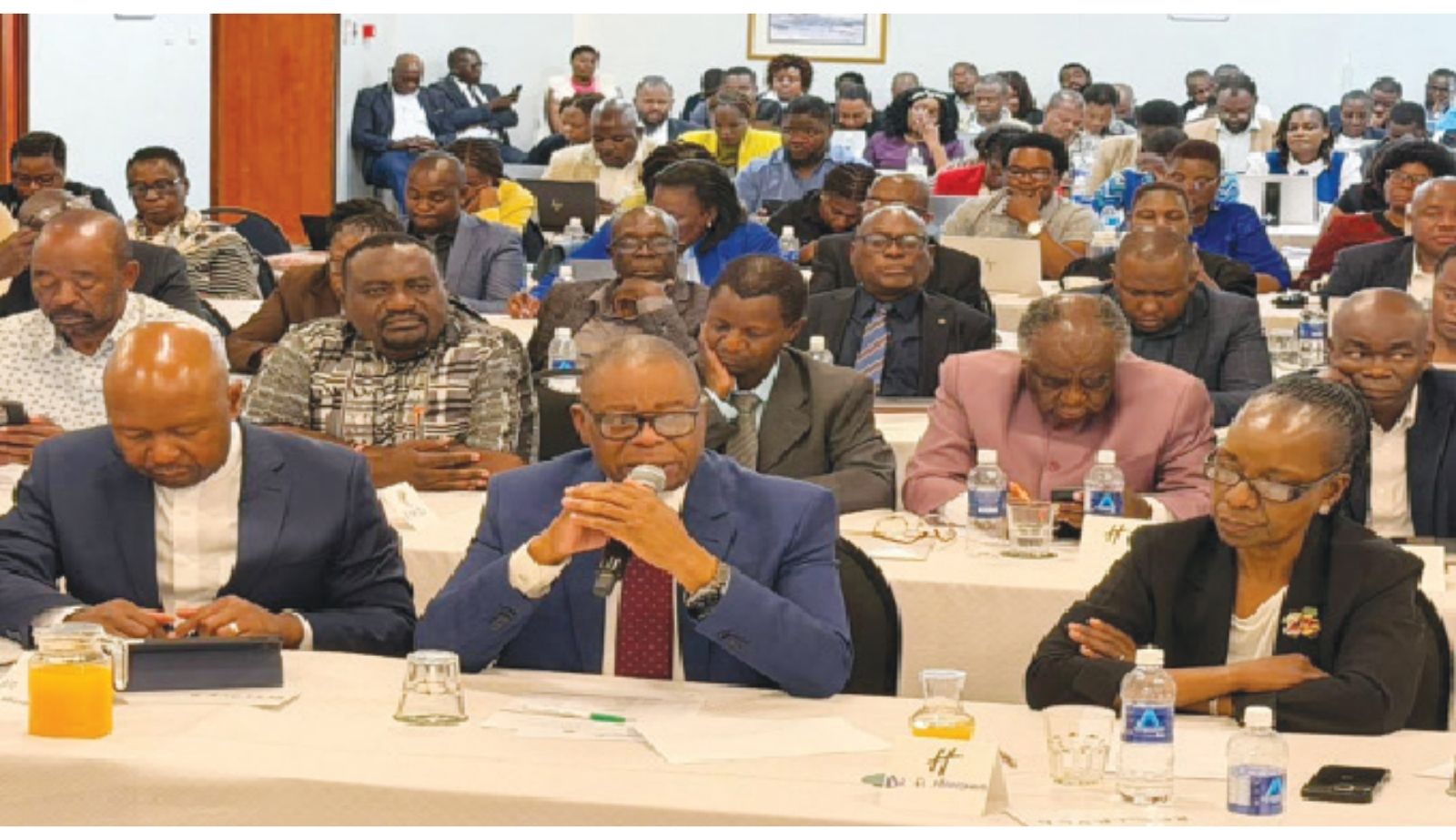
Robin Muchetu Health and Gender Editor
MINISTER of Health and Child Care, Dr Douglas Mombeshora, says the ministry must turn strategic documents into actionable plans that are implemented and not blueprints that are reproduced annually. This, he said, will enable the ministry to review progress and plan adequately for resource mobilisation and distribution as well as ensuring the public gets adequate health services timeously.
Speaking at the 2026 Ministry of Health and Child Care Review and Strategic Planning Meeting for 2027, he said there is a need to work as a team to have positive outcomes for the coming year.
“The important thing is that these should not become documents that sit neatly on shelves while reality continues somewhere else. We must translate them into implementation,” said Dr Mombeshora.
“Our plans, our budgets, our programmes, our partnerships and our daily management decisions must all point in the same direction. We cannot have one compass pointing north, another pointing east, and another pointing wherever there happens to be funding. That is why this planning meeting is important,” he said.
Dr Mombeshora said the strategic plan is not simply another annual work plan, but it decides where the ministry will direct its limited resources, what will be prioritised, what will be stopped and what results the Ministry is expecting.
He said strategic planning is not supposed to be a comfortable exercise where everybody agrees with everybody.
“We need honest conversations. We need to challenge ourselves, and where necessary, we need to challenge one another. As we begin the next phase of our planning, I want us to keep one thing firmly in mind: the Ministry of Health and Child Care is not an island. We are part of a bigger
Government machinery, working towards one national destination — Vision 2030. Vision 2030 must therefore remain our North Star,” he said.
The Minister said the National Development Strategy 2 sets the broader national development direction, while the National Health Strategy 2026–2030 gives the health sector pathway for contributing to that national vision.
The meeting also acknowledged that Zimbabwe’s health sector has made significant progress.
“Our health system has demonstrated resilience in responding to HIV, tuberculosis, malaria, outbreaks and other public health threats. We have expanded our diagnostic capacity, strengthened emergency preparedness, advanced digital health initiatives and continued investing in health infrastructure and specialised services,” added Dr Mombeshora.
He further said the ministry has strengthened public health intelligence and response architecture through the establishment of the Public Health Intelligence Unit, PHIZ.
“This is an important development in strengthening our capacity for disease surveillance, early detection, public health intelligence, risk assessment and coordinated response to emerging and ongoing health threats. Our experience with outbreaks and other public health emergencies has demonstrated that we must be able to detect threats early, understand them quickly and respond in a coordinated manner,” he added.
While positive developments have been noted, some areas still fall short with Minister Mombeshora noting that the data also points to areas where there is need to sustain and intensify efforts.
He said some health outcomes have not improved at the pace the ministry would like to see, and these require focused management, attention and targeted interventions.
“They tell us where interventions need to be strengthened, where resources should be better targeted and where management attention is required. Our response must therefore be one of intensified implementation, continuous monitoring and practical corrective action while recognising the progress that has been made over time. The same applies to medicines, diagnostics, service readiness and responsiveness to patients. Where there are gaps, we must identify them early and act,” said Dr Mombeshora. — @NyembeziMu