admin
admin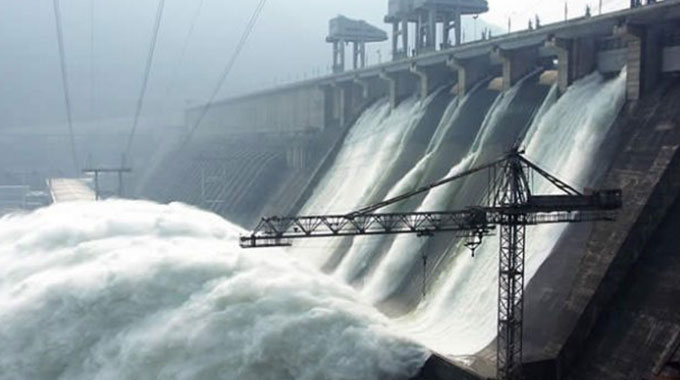
Michael Makuza,Business Reporter
MICRO, Small to Medium Enterprises (MSMEs) say their business operations are being crippled by prolonged power outages, which result in losses.
Following the recent reduction in power output at Kariba Hydro-Power Station due to reduced water levels, Zimbabwe has lost significant generation and supply capacity.

As of yesterday, the Zimbabwe Power Company indicated the country was producing a combined 438 megawatts of power, with Kariba generating 200 megawatts compared to the more than 700 megawatts it used to pump in recent months.
While the Government is making efforts to boost supplies through imports from regional suppliers and bringing on board small independent power projects, businesses have said the supply gap is adversely affecting their viability.
Household consumers are also crying foul
In an interview Bulawayo Chamber of SMEs co-ordinator, Mr Nketha Mangoye Dlamini said power outages were crippling production capacity and causing losses.

“Businesses have not been spared as most of the small to medium enterprises cannot produce and close until maybe electricity comes back. So, it is disruptive in terms of the planning process and also production,” he said.
“We are aware that there are certain businesses where clients have waited for them to produce but they could not produce because of the electricity disruptions. This affects both the confidence of the market and also the production system.”
On Tuesday, Cabinet also deliberated on the country’s crippling power situation following the announcement that electricity generation at Kariba Power Station could be stopped until early January 2023.
Earlier the power utility had been directed to halt electricity generation at Kariba Hydro Power Station but later Government clarified that the giant station will remain operational but at less than half of its capacity.
ZRA administers the Kariba Dam on behalf of Zambia and Zimbabwe and it stated that water storage at the dam is at 4,6 percent of capacity, below the levels needed to run power generation operations at the Kariba South Bank power station.
Also commenting, a representative at Fresh Food Market said power outages have slowed down operations as they are now taking more time to serve customers.

In the retail sector, products like meat, milk and fruits are going bad resulting in a loss of stocks. The official said power outages should be solved as their businesses were starting to cripple down.
Under the National Development Strategy 1 (NDS1), the blueprint that guides the country’s development between 2021 to 2025, SMEs play a crucial role in transforming the economy.
In recent years, SMEs have become dominant economic players in Zimbabwe but a majority of them still operate informally and the power outages are now stalling their development.


 Online Reporter