

 Online Reporter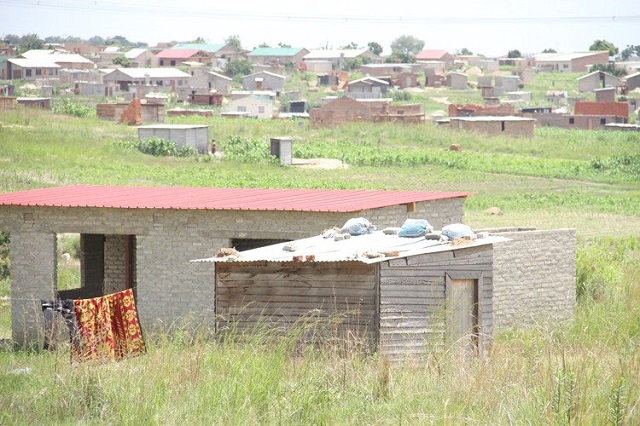
Theseus Shambare
Herald Correspondent
EPWORTH local leaders have issued a stern warning to residents against building on wetlands, particularly along the Jacha River and its tributaries, citing the ongoing risks of flooding, destruction of property and the spread of waterborne diseases.
Recent torrential rains left at least 89 people homeless, damaged homes and washed away a footbridge connecting key parts of the settlement, including Domboramwari and Overspill.
Officials say the destruction could have been mitigated if residents had avoided settling in high-risk wetland areas.
Epworth South legislator Honour Mbofana Taedzwa-Mutana urged residents to heed the warnings and move to designated safe areas.
“It is unacceptable that some people continue to build on wetlands and riverbanks despite repeated advisories,” he said.
“Many of these people have been allocated new numbers under the regularisation programme initiated by the President but some are deciding to remain on risky areas.
“These areas are dangerous, especially during heavy rains. Floods not only destroy homes but also create stagnant water where diseases like cholera and typhoid can thrive.”
Epworth Mayor, Councillor Nyarai Rutsito, called on residents to cooperate with the council and move to the newly allocated land.
“We have proposed expansion areas and identified land for housing and cemeteries,” Councillor Rutsito said.
“Yet, some families ignore this and continue to extend buildings on wetlands. This is putting their lives and those of their neighbours at risk. We must preserve our rivers and wetlands to protect the community.”
Ward 5 councillor Chamunorwa Takundwa echoed these concerns, noting that at least seven houses were destroyed and about 500 others are at risk if the rains persist.
“The wetlands act as natural buffers for floods. When you build there, you compromise the safety of everyone downstream. We cannot allow carelessness to cost lives,” he said.
Ward 2 councillor Stephen Samson said while evacuations were done on time, it is high time residents take heed by moving to proper places.
“Floods are not the only danger. Standing water breeds mosquitoes and bacteria, leading to outbreaks of malaria and other waterborne diseases. Protecting wetlands is protecting public health,” he said.
The Red Cross has since stepped in to provide tarpaulins, buckets and water, sanitation and hygiene support to affected families.
Officials estimate that roughly 2 500 homes in Epworth remain vulnerable to flooding due to their location on wetlands.
Local leaders reiterated the need for community cooperation to respect urban planning regulations and protect natural waterways.
They warned that failure to heed advice would continue to expose residents to unnecessary risks while undermining efforts to safeguard the environment.



