

 Online Reporter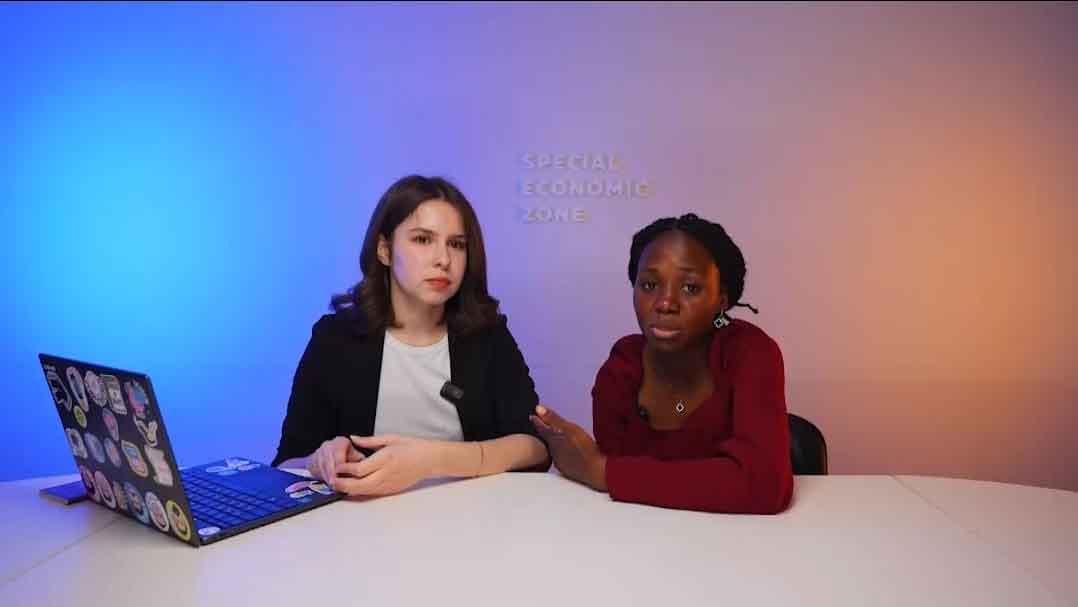
Emmanuel Kafe
Herald Reporter
ZIMBABWEAN young women are increasingly finding opportunity, skills and global exposure through the Alabuga Start Programme in Russia, a development that officials say reflects the deepening people-to-people cooperation between Harare and Moscow under the two countries’ long-standing friendship.
At least 15 Zimbabwean girls are currently participating in the programme in Tatarstan, Russia, joining their peers from across Africa, Latin America and Asia in a structured two-year employment and skills-development initiative hosted in Russia’s Alabuga Special Economic Zone.
The programme, which targets young women aged between 18 and 22, combines formal employment, professional training and Russian language education, offering participants practical skills in sectors that include industrial production, catering and hospitality, transport services, installation and finishing works.
Senior specialist at the Alabuga Start Programme Press Service, Ms Ekaterina Lommas, said Zimbabwe continues to emerge as one of the key African partners in the initiative, which she described as a practical expression of Russia’s commitment to skills transfer and workforce development among friendly nations.
“This is a working programme, not a study exchange. The girls come with official work permits issued by the Russian government, receive salaries, professional training and language education, and return home with internationally competitive skills,” said Ms Lommas.
She said the programme currently hosts participants from over 70 countries, having expanded steadily from its initial focus on a small group of former Soviet states.
“The idea is to give young women real work experience in a modern industrial environment, while also strengthening cultural understanding and cooperation between countries,” she said.
For Zimbabwe, the programme aligns with national priorities around youth empowerment, skills development and international cooperation, while also reinforcing the strong political and economic relations between Harare and Moscow.
One of the Zimbabwean participants, Ms Gladys Nyamundanda, said the programme had opened new professional and personal horizons for her, while also allowing her to represent her country abroad.
“I am from Zimbabwe and I saw the programme as a good opportunity to gain experience and improve myself,” said Ms Nyamundanda, who works as a production operator.
She explained that participants work on a rotational system that combines employment and education.
“I work two days and then spend two days at school learning Russian and improving my professional skills. It helps a lot because you are learning while you are working,” she said.
Ms Nyamundanda said the programme provides a structured and secure environment, with accommodation, transport and medical support arranged by organisers.
“We are safe, free, and well supported. I travel, I meet people from different countries, and I learn every day,” she said.
Beyond employment, the programme places strong emphasis on language acquisition and professional certification, ensuring that participants leave Russia with recognised qualifications and practical competencies that can be applied back home.
Ms Lommas said this exchange of skills is central to the programme’s philosophy and reflects Russia’s broader engagement with African partners.
“When these girls return to Zimbabwe and other African countries, they go back not just with savings, but with experience, discipline, language skills and professional certificates. That is real human capital development,” she said.
She added that Zimbabwean participants have distinguished themselves through commitment and adaptability, noting that many qualify for promotion within the programme after six-month performance assessments.
The Alabuga Start Programme covers international travel, subsidised accommodation, health insurance and structured employment, allowing participants to focus on skills acquisition and professional growth.
The initiative complements the growing economic and diplomatic cooperation between Zimbabwe and Russia, particularly in areas of education, industry and workforce development.
As Zimbabwe continues to strengthen ties with its strategic partners, the participation of young Zimbabwean women in international programmes such as Alabuga underscores the role of youth and skills exchange in advancing national development and sustaining bilateral relations grounded in mutual respect and shared interests.



