Online Reporter
Stephen Mpofu, Perspective
AS Zimbabwe and other African nations enter the fire season and approach the critical rainy period — vital for both human and animal survival — the urgency of preserving nature cannot be overstated.
In Zimbabwe’s case, reckless interaction with the environment has previously led to devastating consequences that must be avoided at all costs. A notable example is the pollution caused by unmodified factory chimneys in Bulawayo, the country’s industrial hub.
The smoke released, combined with other harmful carbon emissions, contributed to the depletion of the ozone layer, which shields the Earth from harmful solar radiation. This environmental damage triggered severe droughts and food shortages, forcing the country to spend vast sums on food imports.
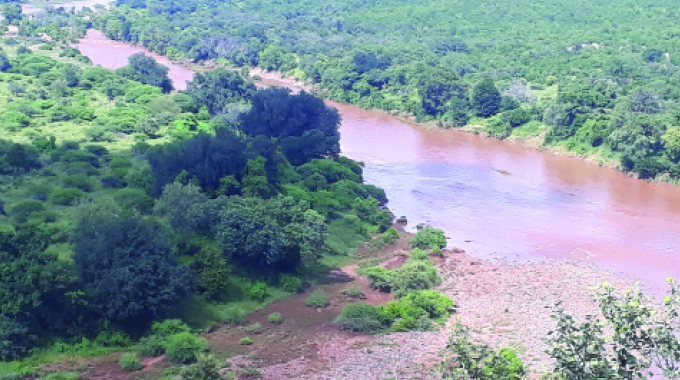
The use of fire in hunting has also been linked to environmental degradation. The smoke produced releases destructive gases into the atmosphere, while deforestation — often a result of such practices — eliminates trees that naturally absorb and store carbon emissions, thereby playing a crucial role in environmental protection.
It was unclear yesterday whether deforestation remains a pressing issue, as a spokesperson for the Forestry Commission declined to comment, citing commitments at the Zimbabwe Agricultural Show in Harare.
Veld fires continue to pose a serious threat in the ongoing struggle between human activity and environmental sustainability, as highlighted in a report published by this newspaper three days ago. According to Mrs Amkela Sidange, spokesperson for the Environmental Management Agency (EMA), Zimbabwe has recorded 419 fire incidents since the beginning of this year’s fire season, resulting in the destruction of over 116 000 hectares of land.
This alarming figure suggests that those responsible for such fires may either be unaware of the dangers they pose or are wilfully negligent — both scenarios demanding urgent intervention. Education on the importance of harmonious coexistence with nature is essential, and where negligence is evident, the law must take its course.
Ultimately, the responsibility falls on environmental authorities and educational institutions to promote awareness and instil a culture of respect for nature. The message is clear: for the continued survival of both humanity and the natural world, coexistence is not optional — it is imperative.