Online Reporter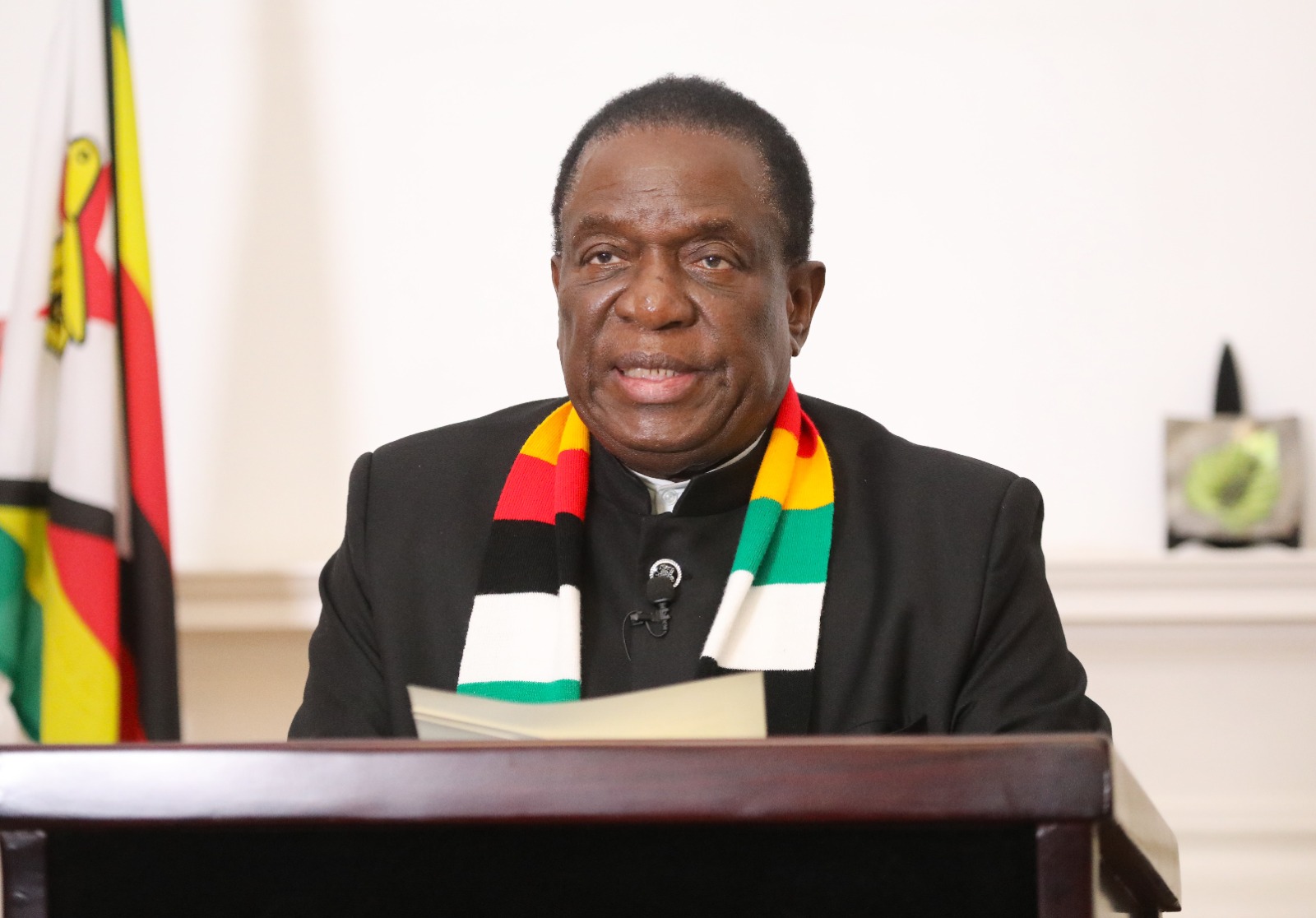
Wallace Ruzvidzo in NEW YORK
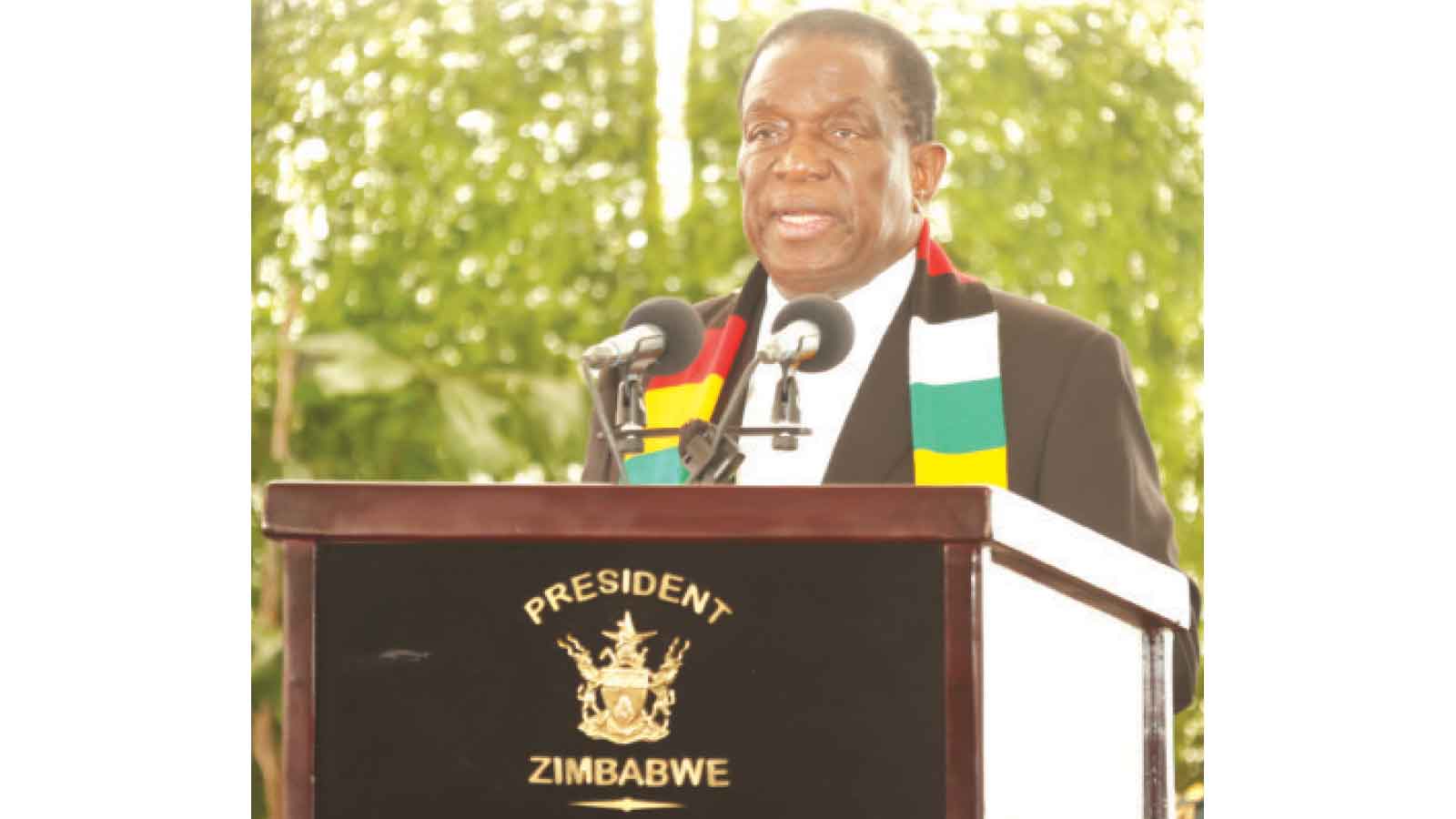
CALLS by developing countries and the Global South for a just and equitable world order must be heeded if the international community is to accelerate progress towards achieving the United Nations’ 2030 Agenda for Sustainable Development, President Mnangagwa has said.
In a virtual address to the 2026 Sustainable Development Goals (SDGs) Moment yesterday, the President said strengthening multilateral cooperation and honouring commitments on development finance, technology transfer and capacity-building should remain priorities as countries intensify efforts to meet the 2030 targets.
“Zimbabwe welcomes the convening of the 2026 Sustainable Development Goals Moment, which presents us with another opportunity to reaffirm our commitment to accelerating action. With less than four years remaining, it is noteworthy that commendable progress has been achieved towards attaining the 2030 Agenda for Sustainable Development; however, more work lies ahead,” he said.
The 2030 Agenda for Sustainable Development, adopted by all United Nations member states in 2015, provides a global framework aimed at ending poverty, protecting the planet and promoting peace and prosperity for all.
At its core are 17 Sustainable Development Goals, supported by 169 targets and indicators designed to guide national and international development efforts through to 2030.
President Mnangagwa said Zimbabwe had continued to mainstream the SDGs into its National Development Strategies as the country pursues its Vision 2030 goal of attaining upper-middle-income status while ensuring that no one and no place is left behind.
“Zimbabwe’s development trajectory remains anchored on the bold conviction that sustainable progress begins with investing in our people. Programmes are being scaled up to bolster national food security and self-reliance through climate-smart agriculture, the expansion of irrigation infrastructure and improved access to water and sanitation,” he said.
The President said Government’s efforts to modernise the education and healthcare sectors, coupled with initiatives aimed at empowering women and young people, were improving livelihoods at household level.
He said Zimbabwe’s home-grown Heritage-Based Education Model was fostering innovation, research, development and entrepreneurship.
“This is in-turn propelling my country’s modernisation and industrialisation agenda while addressing gaps and needs, both at community and sector levels. Additionally, we are harnessing our abundant natural resources to promote value addition and beneficiation, at source. This should ultimately drive the realisation of the SDG Agenda,” he said.
President Mnangagwa said deliberate policies being implemented by his administration were creating new opportunities for prosperity while ensuring that the country’s natural wealth generated sustainable benefits for communities and the broader economy.
He cited Zimbabwe’s export this year of Africa’s first consignment of locally processed lithium sulphate as evidence that sound policies and strong political commitment could promote value addition and help reverse inequitable extractive practices.
“Undoubtedly, countries rich in natural resources must, first and foremost, equitably benefit from their extraction industries. I wish to reaffirm Zimbabwe’s commitment to the 2030 Agenda for Sustainable Development,” said President Mnangagwa.
The SDG Moment was convened by United Nations Secretary-General António Guterres in line with General Assembly Resolution 74/4 under the theme “Together, We Can Get There”, which underscores both the urgency of the challenges facing the world and the optimism that the goals remain achievable.
“Despite mounting challenges, the Goals remain within reach provided that the international community acts collectively, scales proven solutions and accelerates implementation,” said the UN.
“The record of the past decade demonstrates that determined action can deliver results.”
According to the Sustainable Development Goals Report 2026, 36 percent of the 139 targets with available trend data are either on track or making moderate progress, representing an improvement from the previous year.
However, the UN noted that progress remains uneven across regions and sectors.
“Progress across the goals is happening, but it remains too slow and too uneven. Financing shortfalls, climate shocks, debt distress, conflict and inequality continue to undermine progress,” said the world body.
Despite these challenges, the UN said achieving the SDGs remained possible provided countries accelerated implementation through integrated solutions, sustained investment, stronger partnerships and renewed international solidarity.
The Sustainable Development Goals are organised around five interconnected pillars, commonly known as the “5 Ps” — People, Planet, Prosperity, Peace and Partnership — which collectively underpin efforts to achieve sustainable and inclusive development by 2030.