admin
admin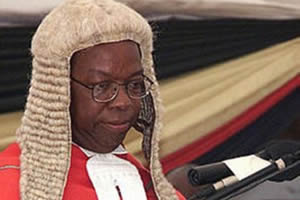
Justice Chiweshe in June ruled in favour of PM Tsvangirai, allowing him to sue the President in a case in which he is being accused of unilaterally appointing provincial governors countrywide.
RELATED
The President’s lawyers contended that for one to institute court proceedings against the President, he or she should first seek permission from the High Court.
PM Tsvangirai is arguing that the President should have consulted him before appointing the governors.
On July 24, Justice Chiweshe dismissed an application by the President for leave to approach the superior court contesting the ruling that allowed the PM to sue the President.
That prompted the President’s lawyers to directly approach the superior court with a notice of motion for leave to appeal against the Judge President’s decision.
In the notice filed at the Supreme Court on August 3, Mr Hussein argues that the decision by the Judge President was wrong.
“The court a quo erred in not accepting that in terms of Rule 18 (of the High Court Rules) and the common law, leave to sue the President should first be sought and granted before instituting legal proceedings against him in the High Court.
“The court erred in not finding that non-compliance with Rule 18 of the High Court Rules, rendered the application before the court a nullity and therefore could not be condoned nor cured,” read the papers.
Rule 18, according to the President’s lawyers, is applicable when the President was being sued both in personal and official capacities.
The lawyers contend that the lower court misinterpreted and misapplied the ruling of a case in which the Zimbabwe Lawyers for Human Rights was allowed to sue the President without the leave of the High Court justice.
Justice Chiweshe in the July 24 judgment ruled that President Mugabe’s chances of winning the appeal case at the superior court were slim considering previous court judgments confirming that the President can be sued without first getting authority from the higher court.


 leeroy