admin
admin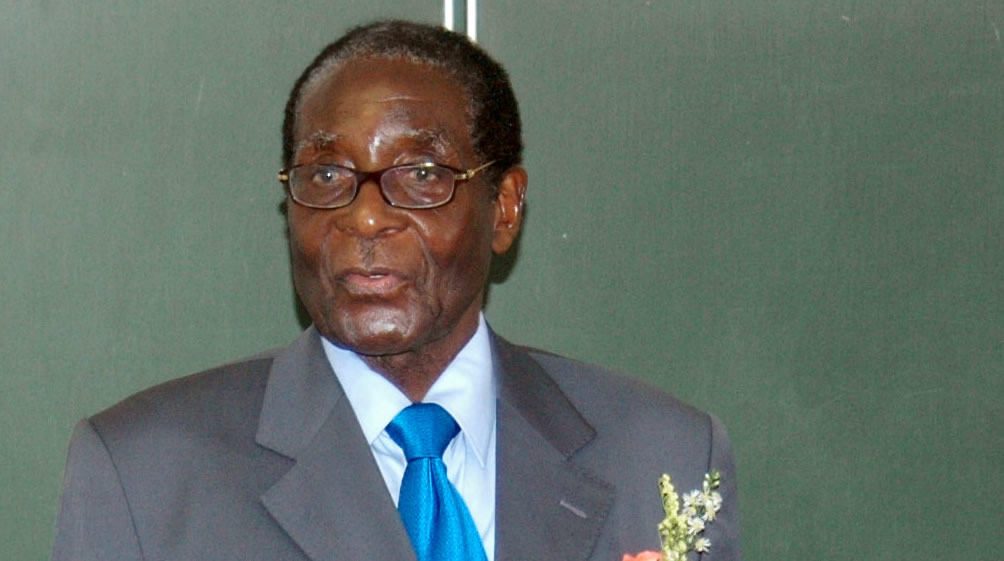
Temba Dube in Dubai, United Arab Emirates
PRESIDENT Mugabe has been described at the ongoing 6th All Africa Investment Forum in Dubai in the United Arab Emirates as “Father Africa” for pioneering a new business philosophy that is set to change the economic face of Zimbabwe.The chief executive officer of Titlas Management Consultants, the organisation that convened the summit, Dr Layo Adeniyi, said President Mugabe had spearheaded a new trend that sets Zimbabwe apart from other African countries.
“We wish the best to Father of Africa, Robert Mugabe. By the end of next year, I shall have published a book titled Face of African Liberation detailing how this iconic leader has positively changed his country in the face of great adversity. He has transformed the country from a consumer economy to a producer,” said Dr Adeniyi, drawing applause from the delegates.
Dr Adeniyi is a renowned author who has published a number of economics and financial accounting textbooks and investment books that include; Africa’s untapped resources, Invest in Nigeria and Struggle for Nationhood.
A total of 41 African countries are represented at the summit, which is fast becoming a favourite meeting place for businesspeople who want to explore investment opportunities on the continent.
Earlier, a representative from the Zimbabwean delegation, Dr Khumbulani Mhlophe, director at Sojama Economic Development, had impressed the delegates to the summit with a presentation on the numerous business opportunities in the country.
“Zimbabwe is a member of Sadc and Comesa regional groups. Comesa has 22 members with 600 million people. Investing in the country will open the doors to business with these consumers. Zimbabwe has differentiated itself from other African countries because it has owned up to its problems and come up with solutions.
“There are no cry babies in the country. There are people who have suffered a lot but are getting it right and are prepared to work,” said Dr Mhlophe.
He said Zimbabwe’s indigenous laws had been maligned in foreign and opposition publications, yet they were the very instruments that would safeguard investors’ input into the economy.
“This is a clear economic Act that has been unfairly politicised. The Indigenisation Act will ensure that foreign investors have local partners who have been imbued with an ownership philosophy.
When you invest in Zimbabwe, the people you see here, together with the Government, the Act and bilateral and multilateral international trade agreements of which the country is a signatory, will protect your investment,” said Dr Mhlophe, drawing another round of applause.
“As we speak, the Government is working at unbundling 58 of the 75 parastatals to turn them over to the private sector as part of the economic turnaround strategy designed to reduce expenditure and free more finance for the productive sector. The economy is emerging from severe challenges but the blue- print is there to transform it into a $2 trillion GDP.”
He said Zimbabweans had come to the summit because they believed the time had come for Africans to take their rightful place as economic trendsetters in the world.
Speaking at the same occasion, Mr Philani Magadzire said the business prospects in Zimbabwe were “simply mind-boggling.”
“The explored diamond output in the country represents more than a third of the world’s output. The country’s abundant coal reserves can easily make it the energy capital of Africa in the generation of thermal power.
The methane gas reserves that have been discovered in Lupane are the largest south of the Sahara.
“Indigenous businesspeople are waiting for partners to work with in the extraction and beneficiation of the more than 100 types of minerals in the country. You will find that Zimbabweans, with the highest literacy rate in Africa, have the intellect and will power to turn any investment into a major money making venture,” said Mr Magadzire.
The summit, initially slated to be a one day affair, has been extended to today after delegates felt there was not enough time to accommodate the volume of business.
More than 400 delegates from 41 countries including Zimbabwe among them ambassadors, Ministers of Industry from different African countries and businesspeople are attending the summit.


 Online Reporter