Online Reporter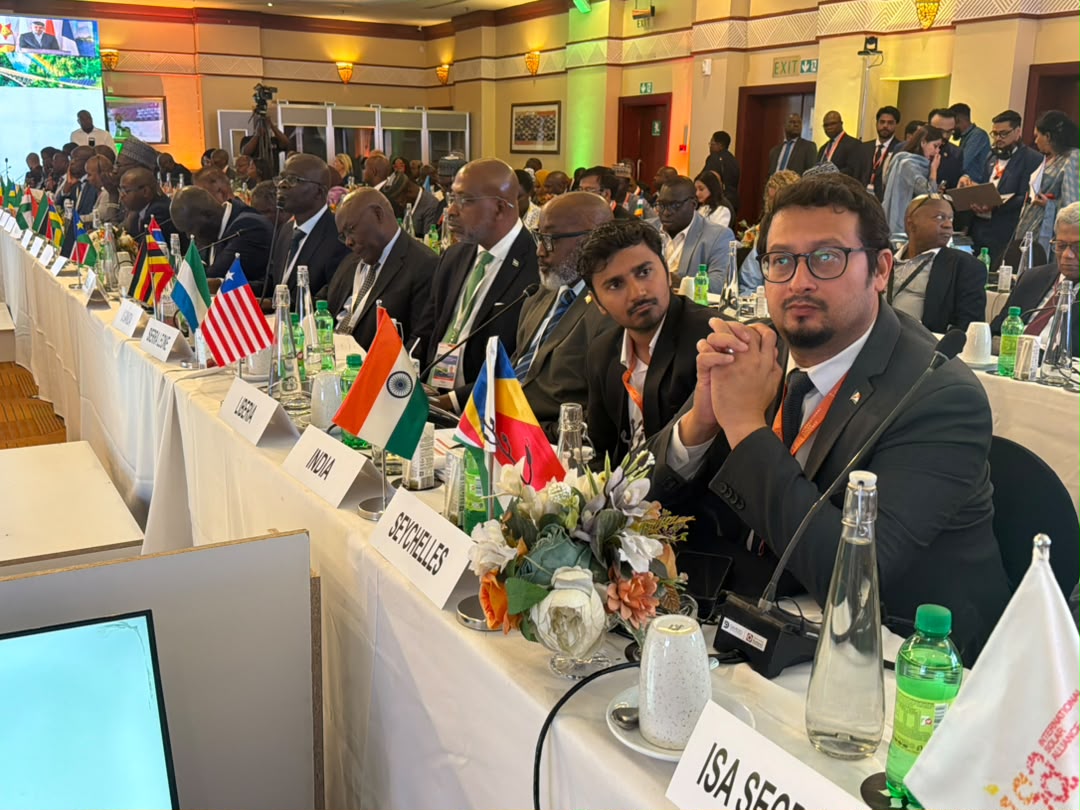
Mashudu Netsianda in Victoria Falls
PRESIDENT Mnangagwa has called for accelerated investment in solar energy across Africa, saying the continent must harness its abundant renewable energy resources to address power shortages, drive industrialisation and improve the livelihoods of its people.
Officially opening the 8th Meeting of the International Solar Alliance (ISA) Regional Committee for Africa virtually in Victoria Falls on Wednesday, President Mnangagwa said Africa could no longer afford to delay the transition towards cleaner and more reliable sources of energy.
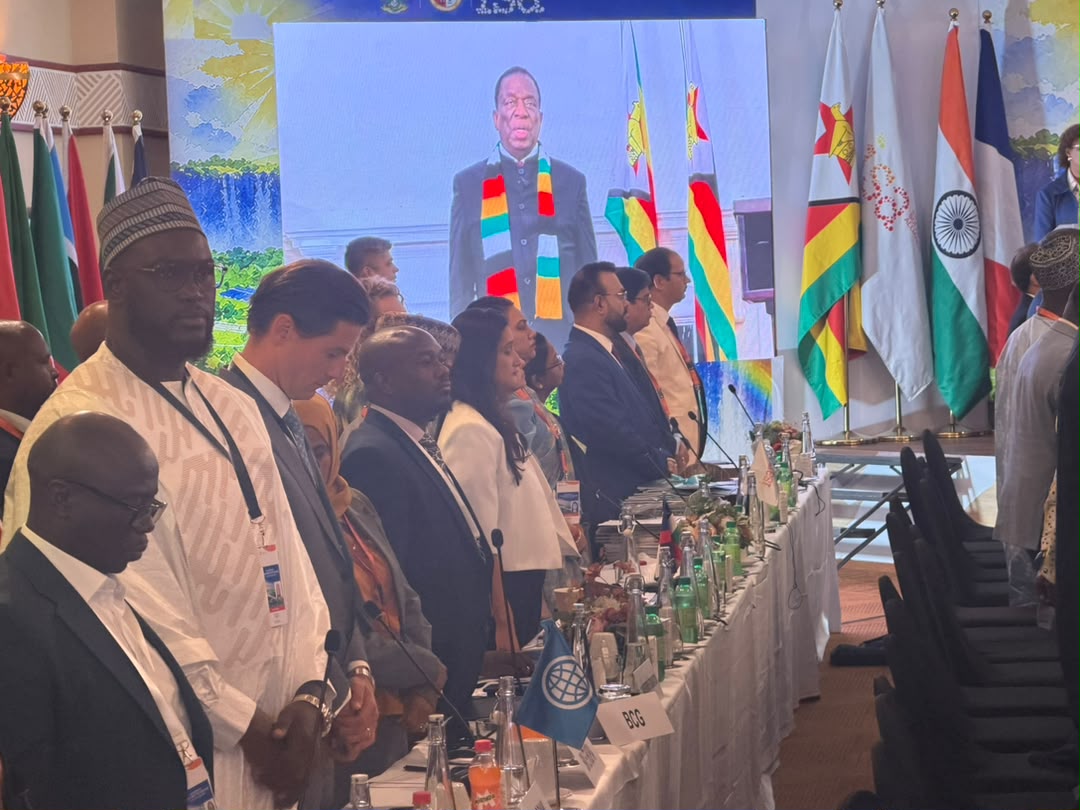
“We are meeting at a critical time where global energy systems are undergoing transformation, driven by climate commitments and rapid technological advancements. This shift is characterised by the adoption of clean energy solutions, supported by technology cost reductions, for enhanced energy efficiency,” he said.
“Our African continent, which possesses some of the world’s richest resources, must industrialise, modernise and scale up access to essential services. To this end, the rich natural endowments, including solar, must be viewed as instruments of economic transformation and prosperity.”
President Mnangagwa said access to reliable energy remains fundamental to Africa’s development as outlined in the African Union Agenda 2063.
“Given its consistent availability, solar energy offers a major opportunity to strengthen energy security and support rapid socio-economic development,” he said.
The three-day high-level meeting, which started on Tuesday and ending on Thursday, has brought together Government representatives, energy experts, development partners and other stakeholders from more than 40 African countries to deliberate on ways of accelerating solar deployment on the continent.
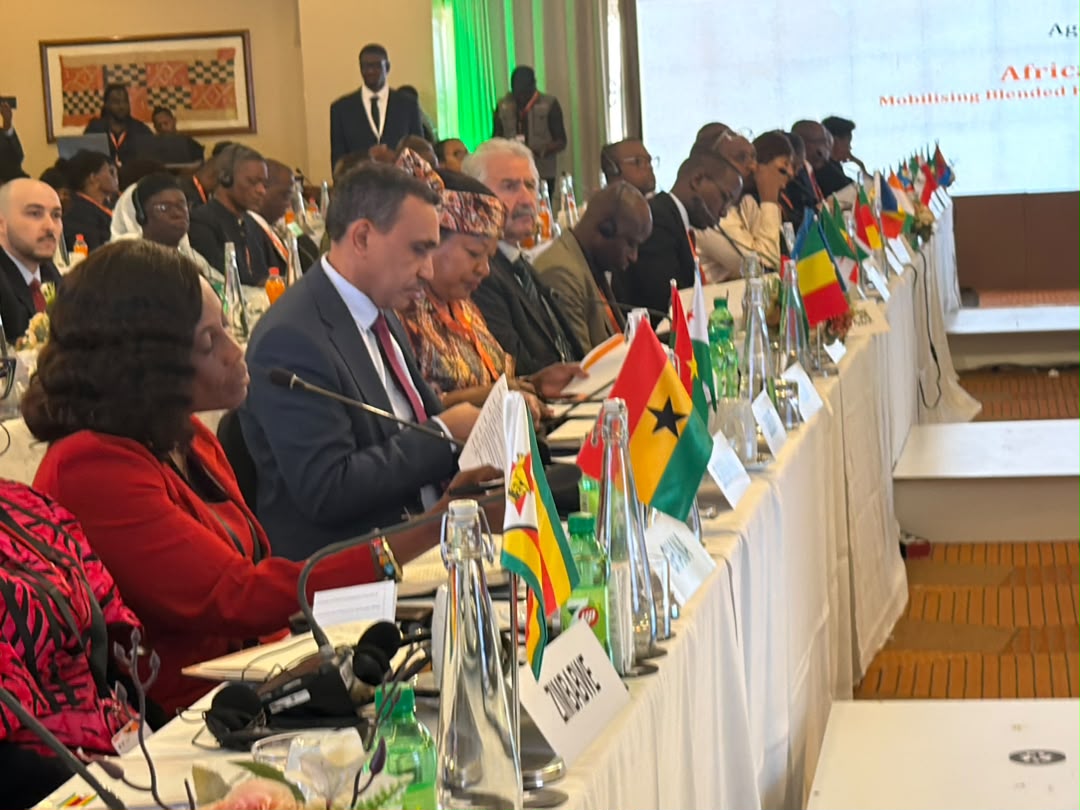
President Mnangagwa said Africa’s vast solar potential presented an opportunity to transform the continent’s energy landscape while supporting economic growth and development.
He said increased investment in solar energy was critical in expanding access to electricity, particularly in rural and underserved communities, while strengthening national power systems and supporting productive sectors such as agriculture and manufacturing.
The President’s call comes at a time when African countries are seeking alternative energy sources to address persistent electricity shortages, climate-related disruptions and the high cost of developing conventional power infrastructure.
The International Solar Alliance has identified financing, technology transfer, skills development and project preparation as key areas requiring greater cooperation if Africa is to fully exploit its solar potential.
According to ISA, Africa possesses about 60 percent of the world’s best solar radiation but has historically attracted a disproportionately small share of global clean-energy investment.
President Mnangagwa said Zimbabwe was committed to increasing the contribution of renewable energy to its national electricity mix as part of efforts to achieve sustainable economic development under Vision 2030.
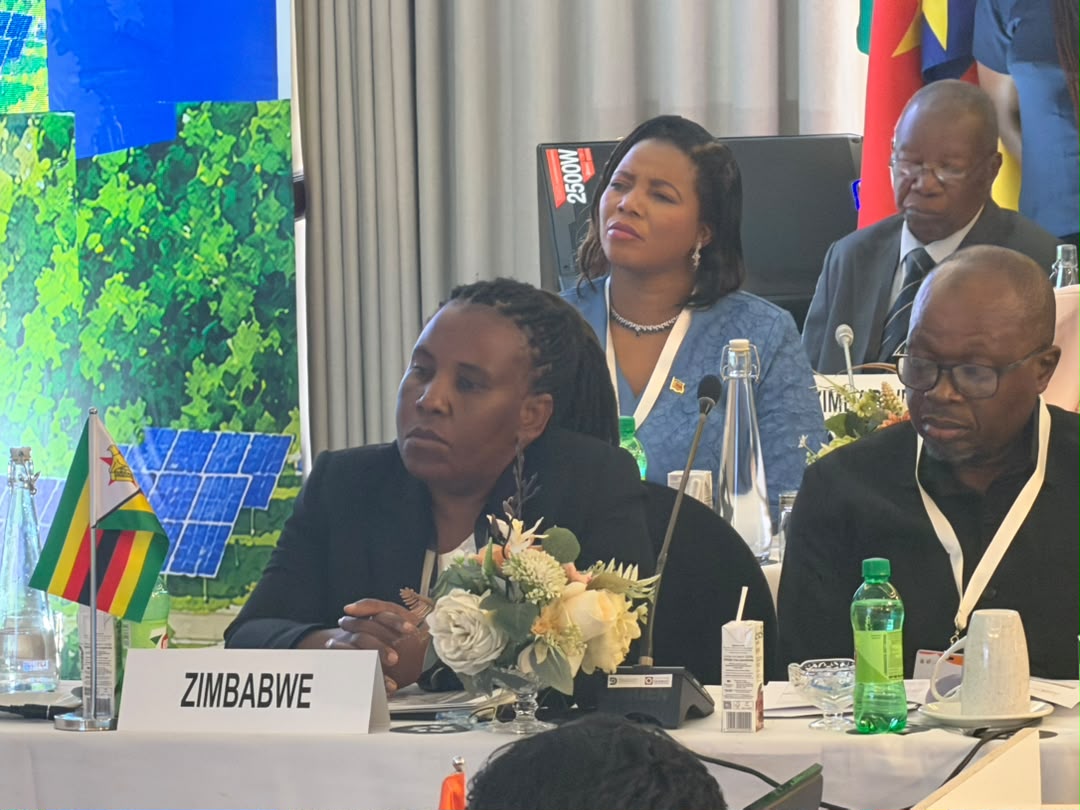
“To this end, financing solar energy transition, must be designed around Africa’s realities, particularly to enable food security and sovereignty, employment creation as well as climate resilience, among other key priority areas.
“Admittedly, the scale of investment required for power generation, transmission and distribution, coupled with the establishment of mini-grids, off-grid systems and storage facilities cannot be met by public resources alone,” he said.
“Hence, stronger partnerships among governments, development finance institutions, investors and the private sector must be forged and nurtured. On its part, Zimbabwe will continue to create an enabling business operating environment and welcome innovative financing models.”
Zimbabwe has set a target of increasing solar and other renewable energy sources to 27 percent of the country’s electricity supply by 2030.
The President also highlighted the importance of linking solar energy development to agriculture, particularly through solar-powered irrigation systems that can reduce farmers’ dependence on rainfall and improve food security.
This is expected to be reflected in the Zimbabwe Declaration, one of the key outcomes anticipated from the Victoria Falls meeting, which places particular emphasis on the use of solar energy in agriculture. Zimbabwe is also expected to become the 11th African country to sign the Africa Solar Facility.
The Africa Solar Facility seeks to help mobilise financing for solar projects and support countries in moving from project concepts to bankable investments.
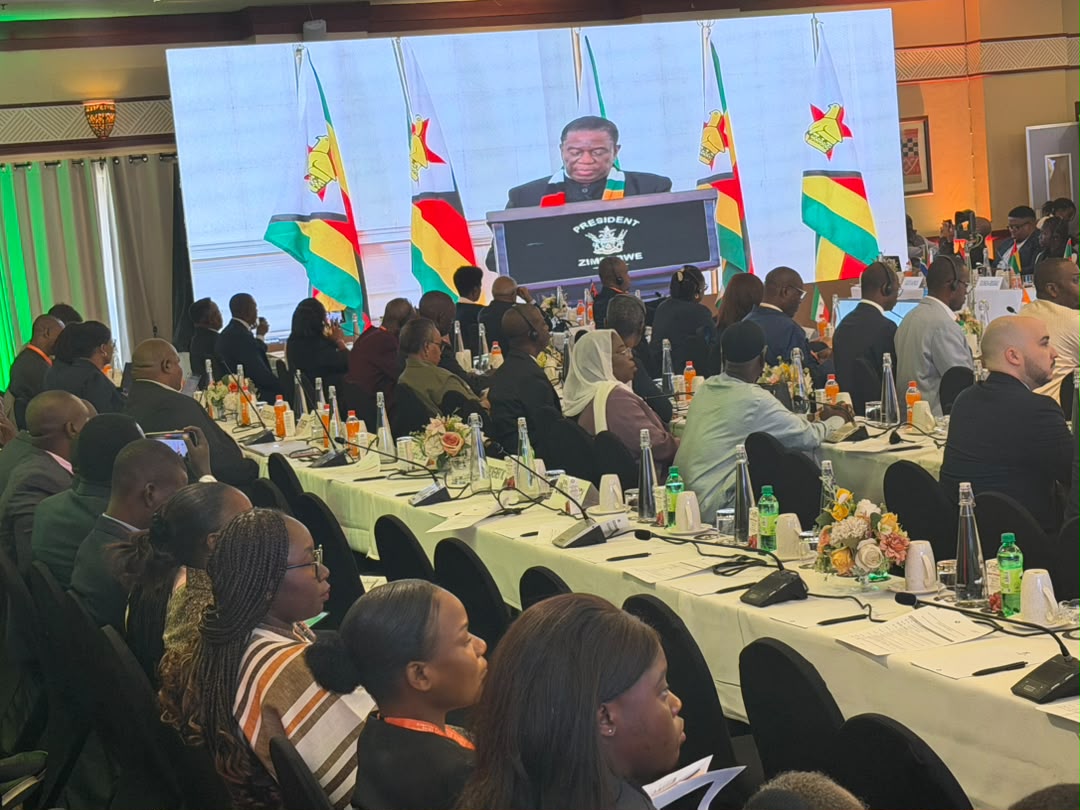
ISA Director-General Ashish Khanna said Africa needed to move beyond discussions and focus on the actual deployment of solar technologies.
He said the continent’s enormous solar potential remained largely untapped despite growing demand for electricity and increasing pressure to transition towards cleaner energy sources. The ISA is working with African countries to improve access to financing, technical assistance, capacity building and investment facilitation.
The meeting is also expected to consider the Solarising Africa Strategy Report, battery energy storage, grid integration, electric mobility, artificial intelligence, digitalisation, critical minerals and harmonisation of standards.
The ISA, a multilateral organisation of the Global South headquartered in India, has 128 member countries and works to promote the wider deployment of solar energy through international cooperation, financing and technical support.
The deliberations in Victoria Falls are expected to culminate in commitments aimed at turning Africa’s considerable solar potential into concrete projects capable of expanding electricity access, supporting agriculture and powering industrial development.