Online Reporter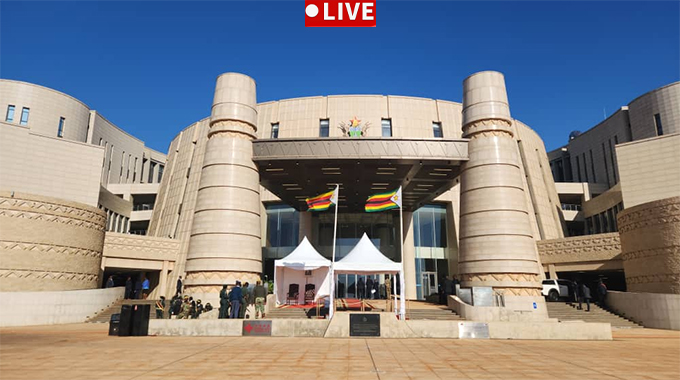
All is set for the official opening of the 33rd Junior Parliament of Zimbabwe today at the New Parliament Building in Mt Hampden, with President Mnangagwa expected to preside over the high-profile event and deliver a keynote address.
The ceremony, which coincides with the International Day of the African Child, will feature a full programme, including processions by child judges, a Junior Parliament march into the New Parliament Building, the reading of the Presidential Proclamation, and the official procession of the newly elected Child President.
Newly elected Child President, Lionel Mazarire, a Lower Six student from Chinhoyi Technical High School, will take over from outgoing Child President Pious Nleya of Mzilikazi High School.
Mazarire is scheduled to deliver his maiden address before fellow junior parliamentarians and dignitaries from across the country.
The theme for this year’s event is: “Planning and Budgeting for Children’s Rights: Progress since 2010.”
Stay tuned as our reporters Harmony Agere, Joseph Madzimure, Zvamaida Murwira and photographer Believe Nyakudjara give you live updates from Mt Hampden.
Zimbabwe’s Junior Parliament: A 30-year legacy of empowering young leaders
Zimbabwe witnesses the opening of the 33rd Junior Parliament today in Mt Hampden to mark three decades of nurturing youth leadership and civic participation.
Origins rooted in African Child advocacy
The Junior Parliament started in 1991, shortly after the African Union adopted June 16 as International Day of the African Child, to commemorate the 1976 Soweto Uprising. That year, South African schoolchildren protested against the apartheid regime’s inferior education, and many were killed. Inspired by this legacy, Zimbabwe’s government created a forum where children could voice their concerns and engage with governance through a parliamentary model mirroring the national legislature.
Structured for representation
Every province sends selected student delegates and child MPs to a session held annually, which is aligned with June 16. During these sessions, they conduct proceedings identical to the adult Parliament, including a Child President, judges, debates, motions, and a keynote address. By simulating real parliamentary procedures, the initiative has become a leadership incubator. Participants gain public speaking experience, understand legislative processes, and explore policy-making, a foundation for future leadership roles. Alumni credit the program for fueling their ambitions in politics, public service, or community leadership. Many provincial representatives gain leadership experience through this replica system.
A platform for youth voices
The Junior Parliament provides a forum where young Zimbabweans raise issues, from education infrastructure and inclusive learning resources to drug abuse, climate change, and digital rights. Senior ministers often attend, responding to questions and signals, demonstrating a genuine venue for dialogue. Since its inception, it has served as a vital mechanism to monitor Zimbabwe’s progress against international obligations like the UN Convention on the Rights of the Child and the African Youth Charter.
Lionel Mazarire: Zimbabwe’s 33rd Child President
Lionel Mazarire, a Lower Six student at Chinhoyi Technical High School, is the incoming Zimbabwe’s 33rd Child President.
He takes over from Pious Nleya and is set to be officially sworn in during the opening of the Junior Parliament session.
Mazarire was chosen in a secret-ballot process that evaluated candidates on public speaking skills, leadership potential, and understanding of child rights, which was conducted among Lower Six and Form Three students nationwide.
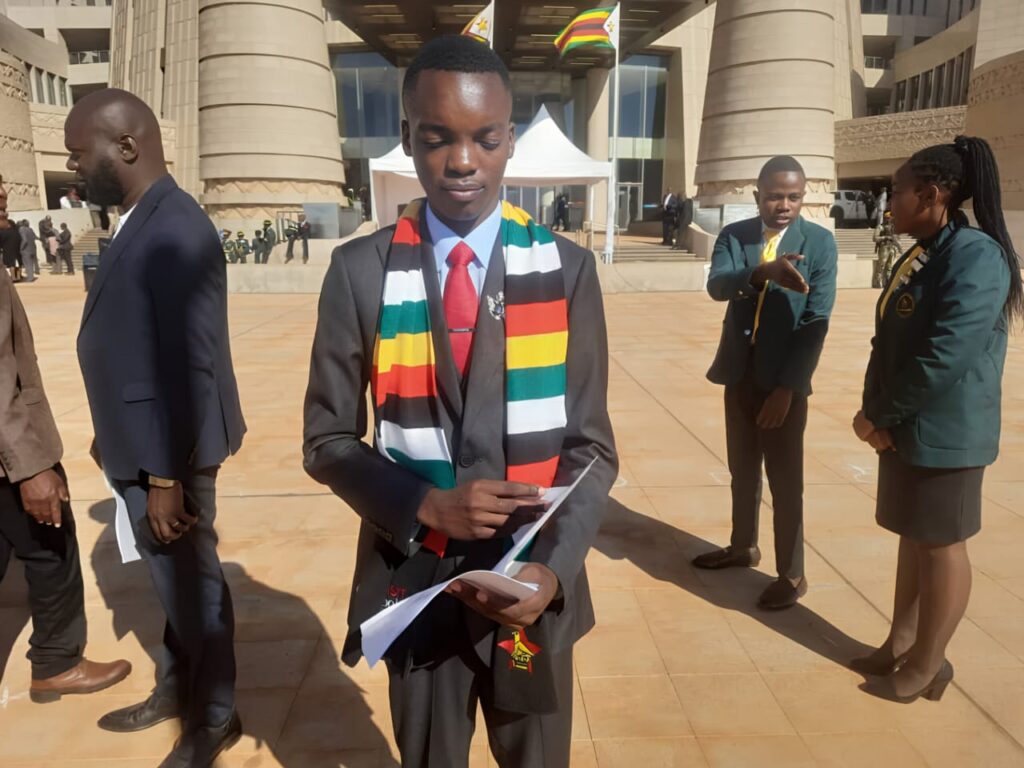
He delivered a powerful message post-election: “Child rights do not have to be just words written with ink on paper. They have to be something that a child gets.”
Mazarire emphasised turning policy into real improvements for children across Zimbabwe.
“The greatest challenge you can face is trying to solve a problem you do not know. So if they tell me their problems, now we have a channel of communication to actually solve them.”
The Child President leads the Junior Parliament – a youth-led mock parliament mirroring Zimbabwe’s legislative structure.
This position is symbolic yet powerful, offering a unique platform for championing children’s rights, shaping policy discussions, and engaging with national leadership during annual sessions around the International Day of the African Child (June 16).
Vice Presidents arrive
President Mnangagwa’s two deputies, Dr Constantino Chiwenga and Cde Kembo Mohadi, have arrived.
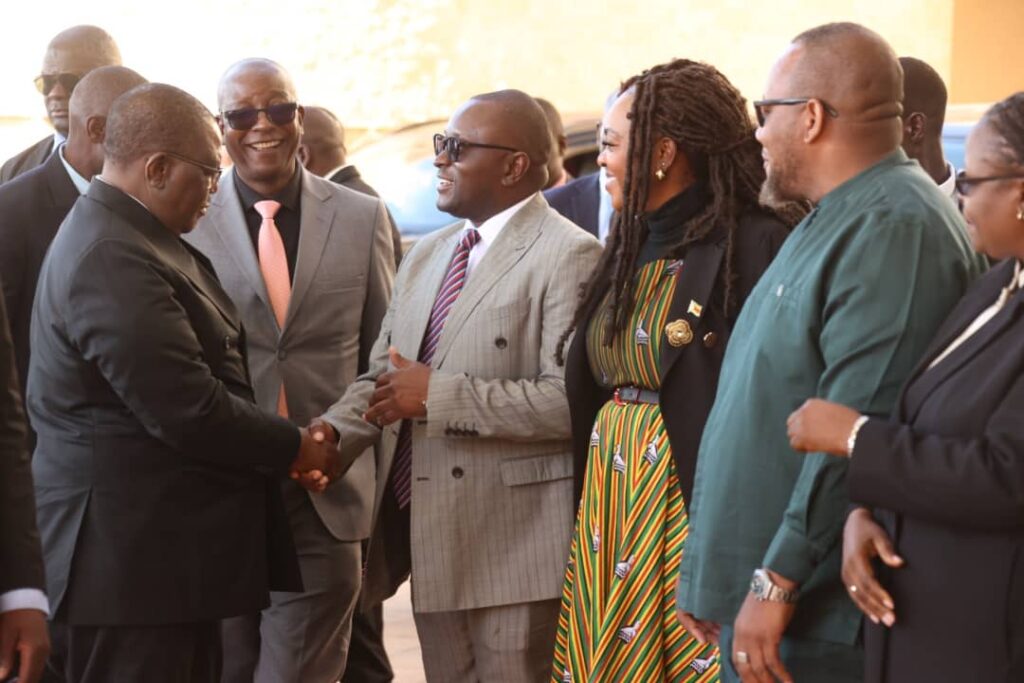
They have now entered the Parliament Building ahead of President Mnangagwa’s arrival.
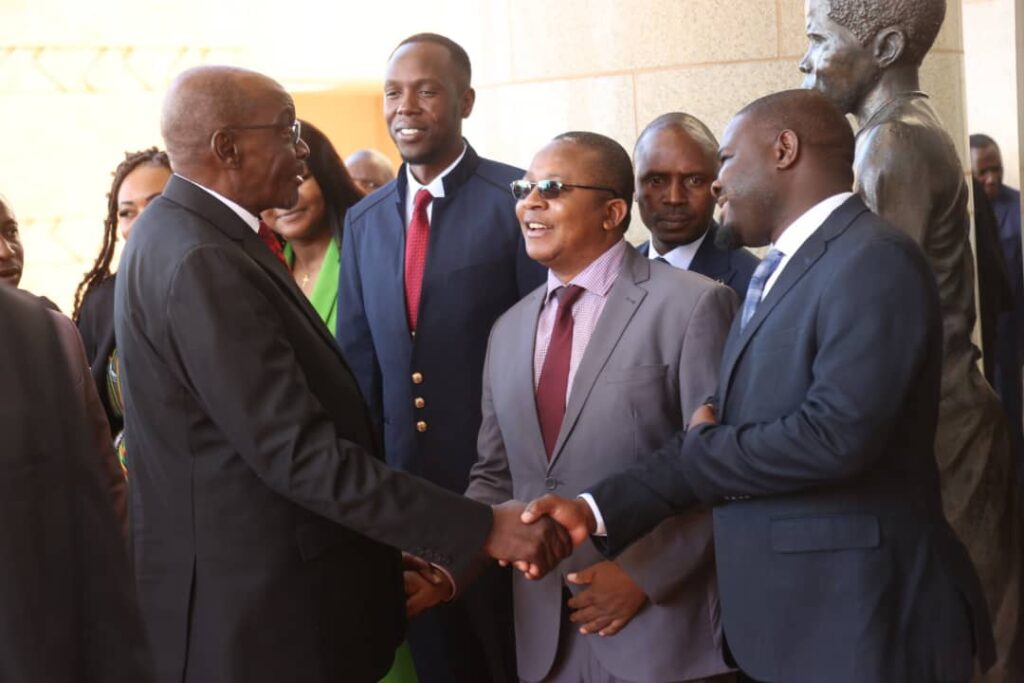
Several Ministers and Government officials have also arrived for the event.
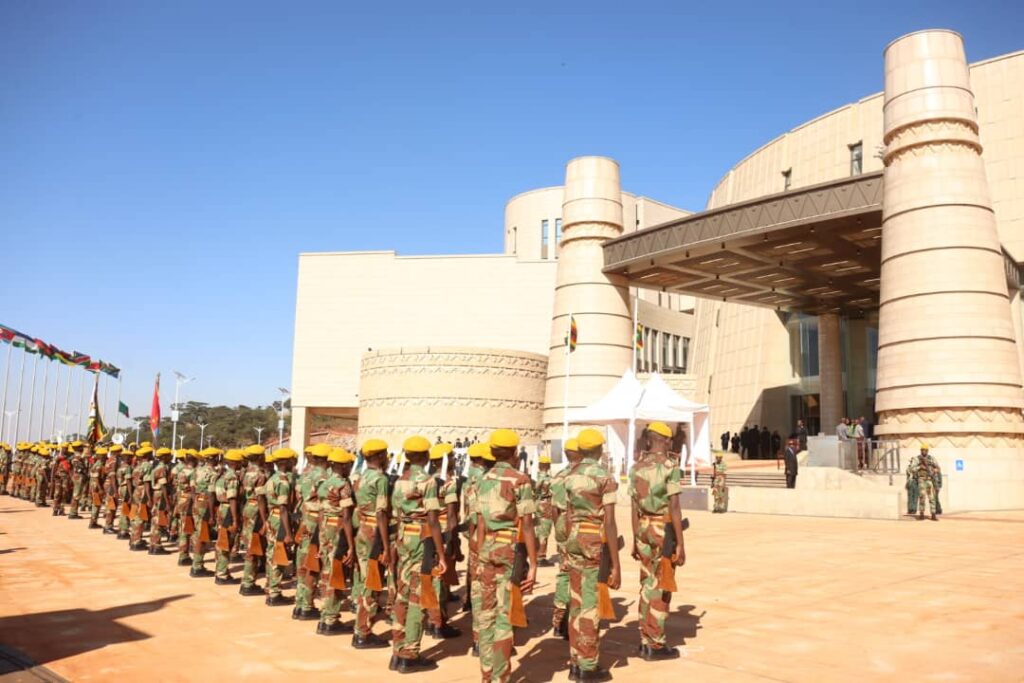
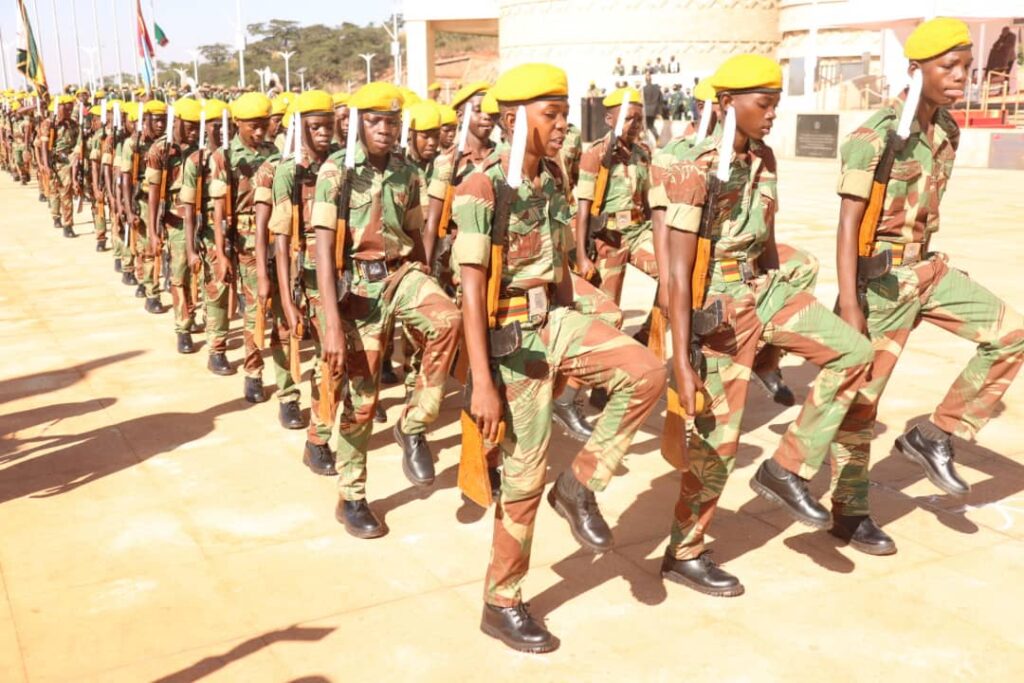
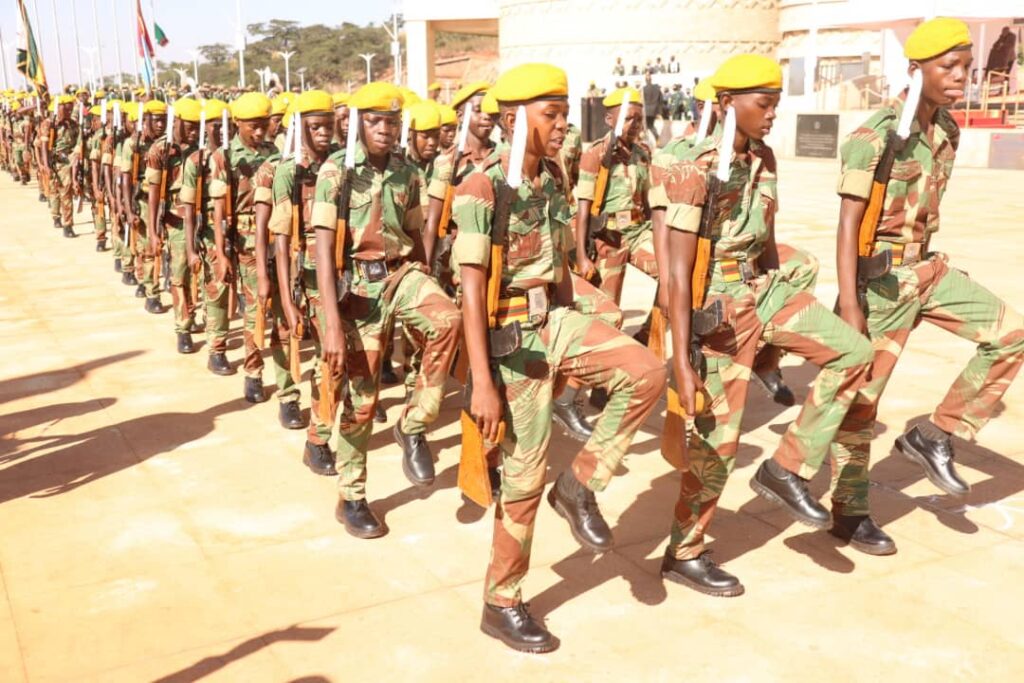
Junior officers are now going through their drills as they prepare to mount the Guard of Honour.
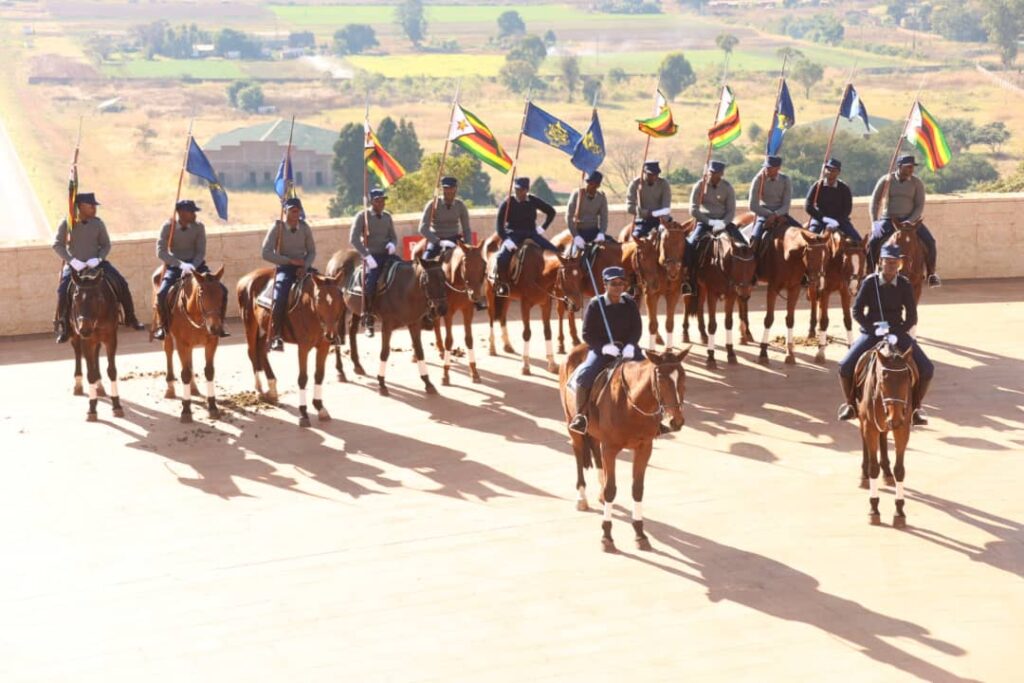
Cabinet Ministers to face grilling by Junior Parliamentarians
Several Cabinet Ministers are also attending the Junior Parliament, which is soon expected to enter into a plenary session, simulating the Senior Parliament both in terms of procedure and substance.
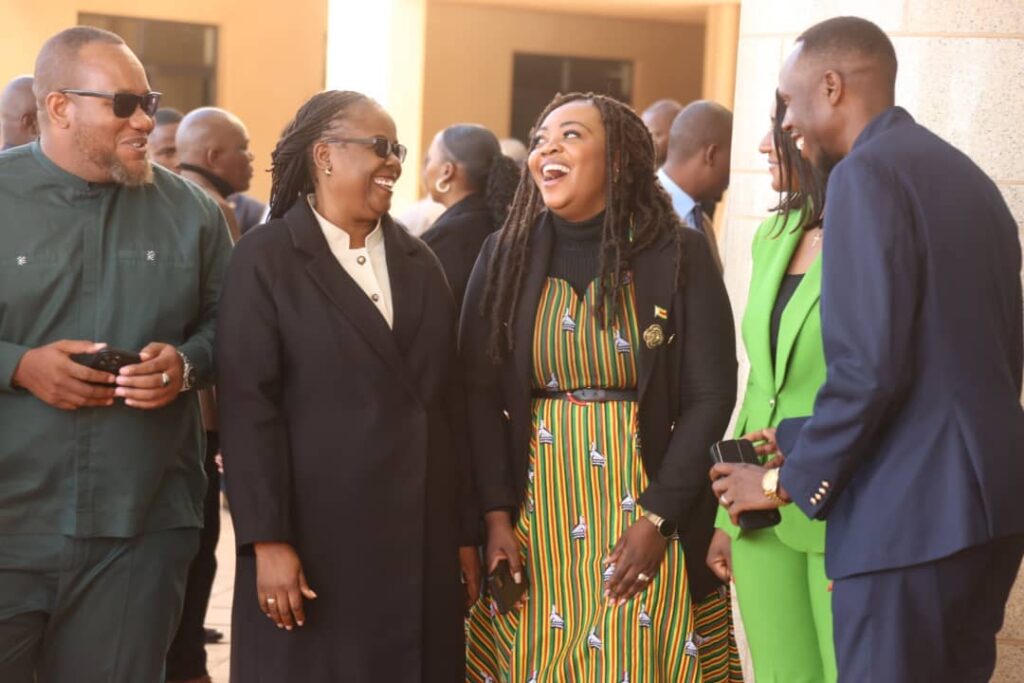
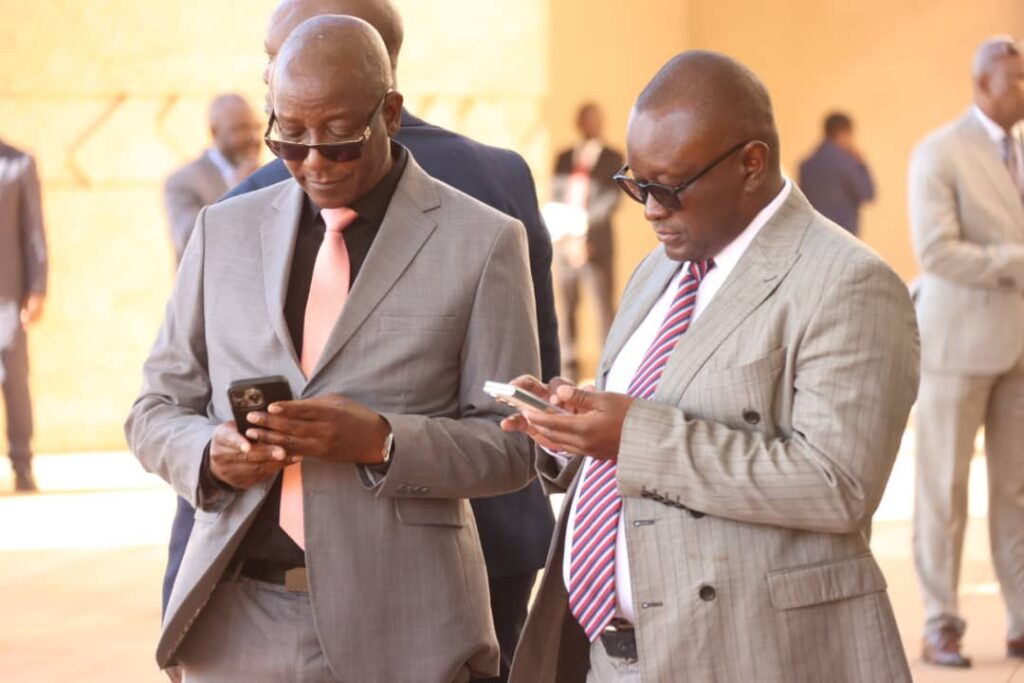
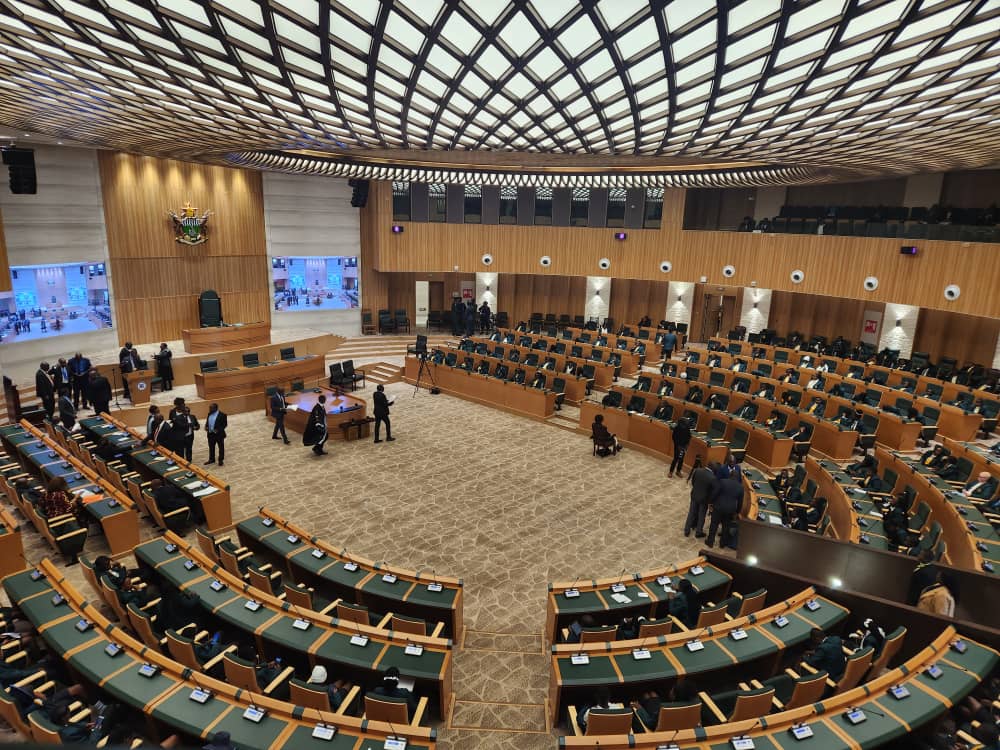
Debate by Junior Members of Parliament is expected to ensue during the plenary session to be held in the National Assembly Chamber, as several issues will come up for discussion, particularly those that affect young people, and will be chaired by the Junior Speaker of Parliament.
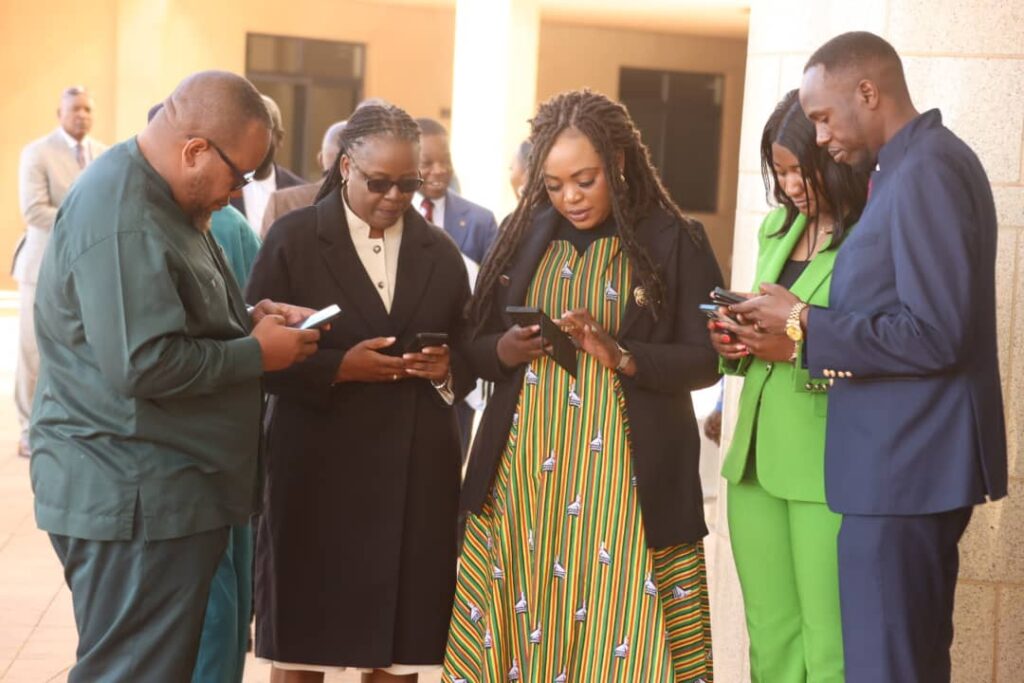
Senior Cabinet Ministers are expected to follow the debate and eventually respond to issues raised that fall within their portfolio.
Members of the Junior Parliament take their positions in the National Assembly Chamber
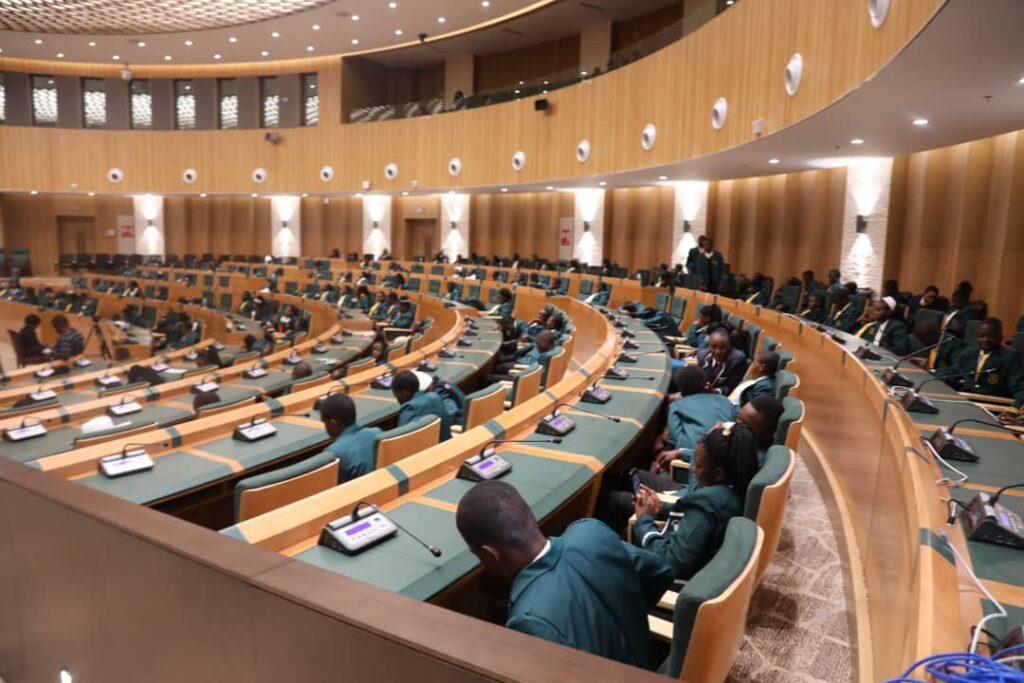
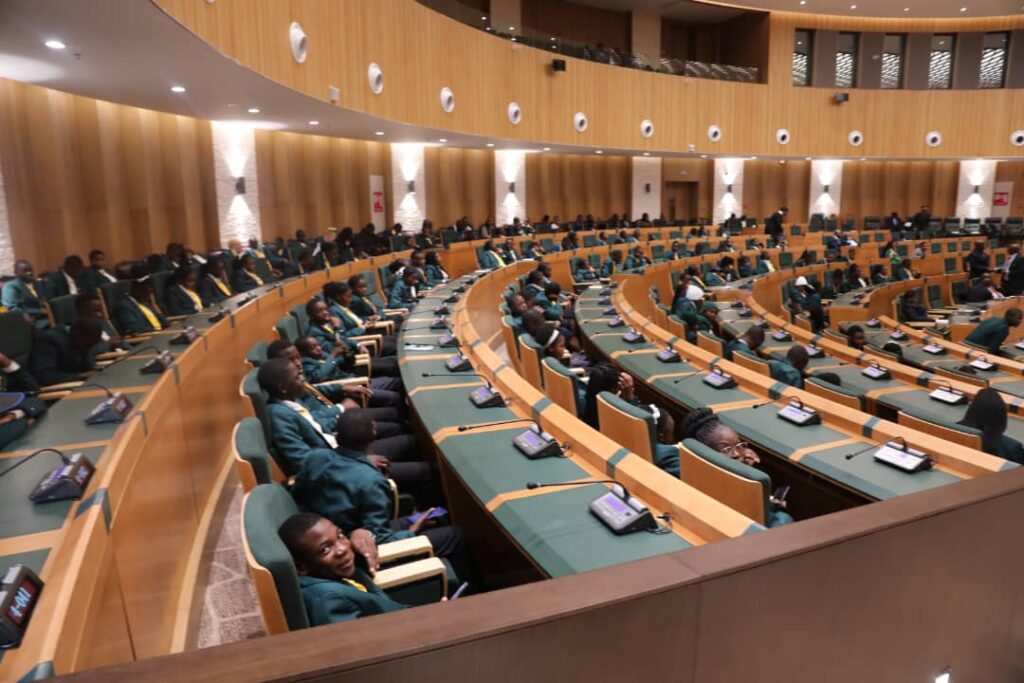
Members of the Junior Parliament have now taken their positions in the National Assembly Chamber as they wait for the commencement of official proceedings to be signalled by the arrival of President Mnangagwa.
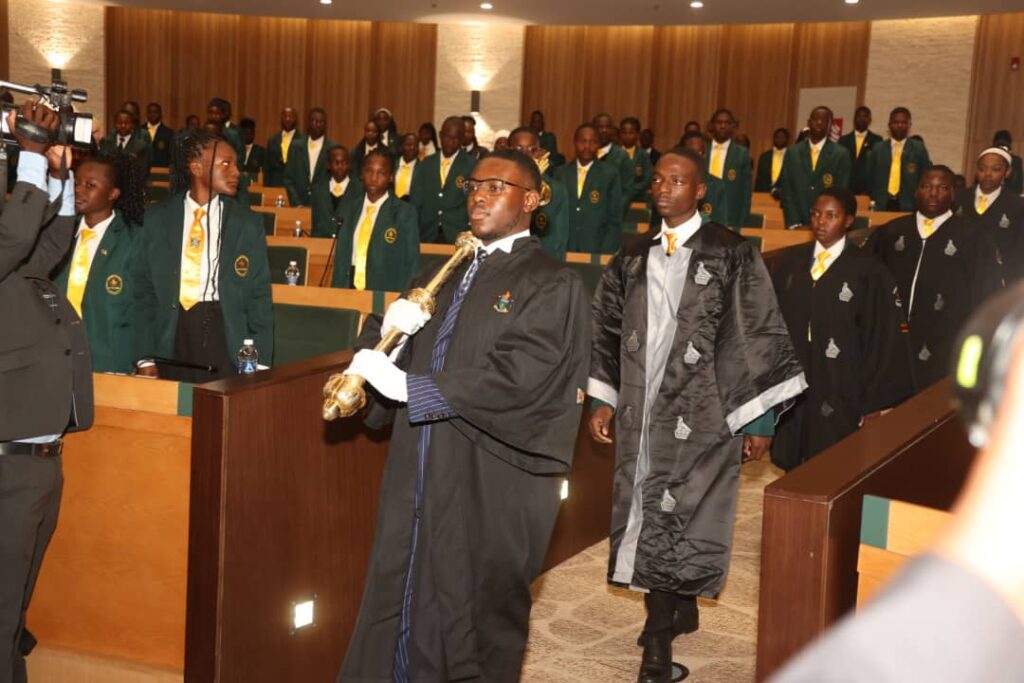
Official proceedings will commence in earnest with a procession of the Child President, his Cabinet, Child Judges, and the Junior Speaker of Parliament walking into the Chamber and each of them taking their positions.
The Clerk of the Junior Parliament will read a proclamation gazetted by the Child President, summoning the legislative assembly to convene.
The Child President will thereafter deliver his address, outlining his cause for summoning Parliament.
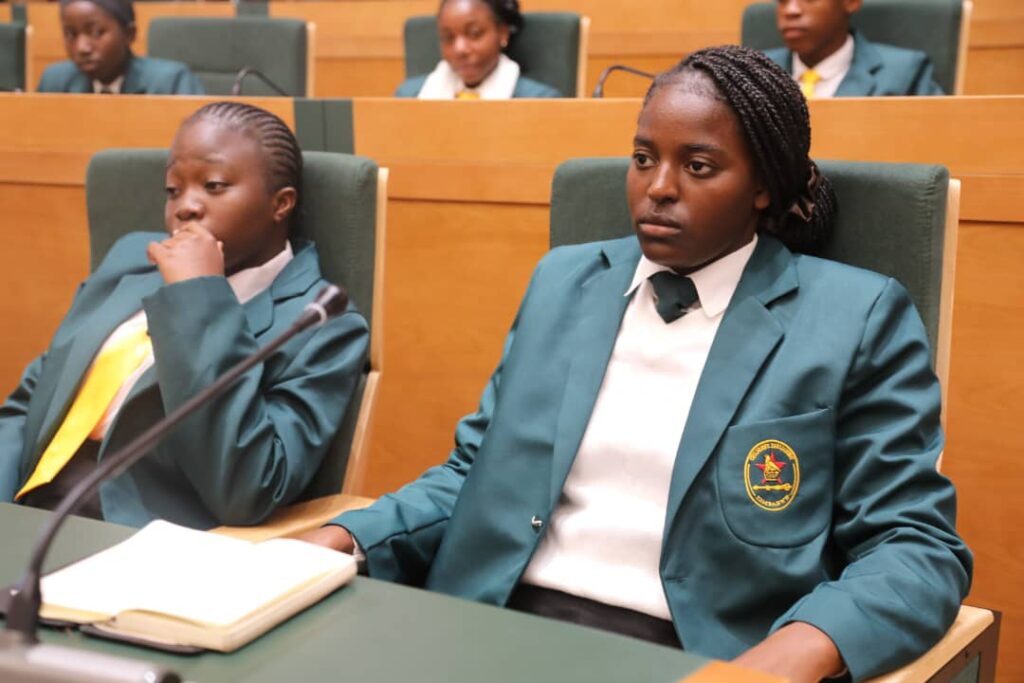
Thereafter, the Junior Parliament will go into plenary, debating national issues.
President Mnangagwa arrives for 33rd Junior Parliament opening
President Mnangagwa has arrived at the new Parliament building in Mt. Hampden to officially open the 33rd Session of the Junior Parliament of Zimbabwe, an annual event that coincides with the commemoration of the Day of the African Child.
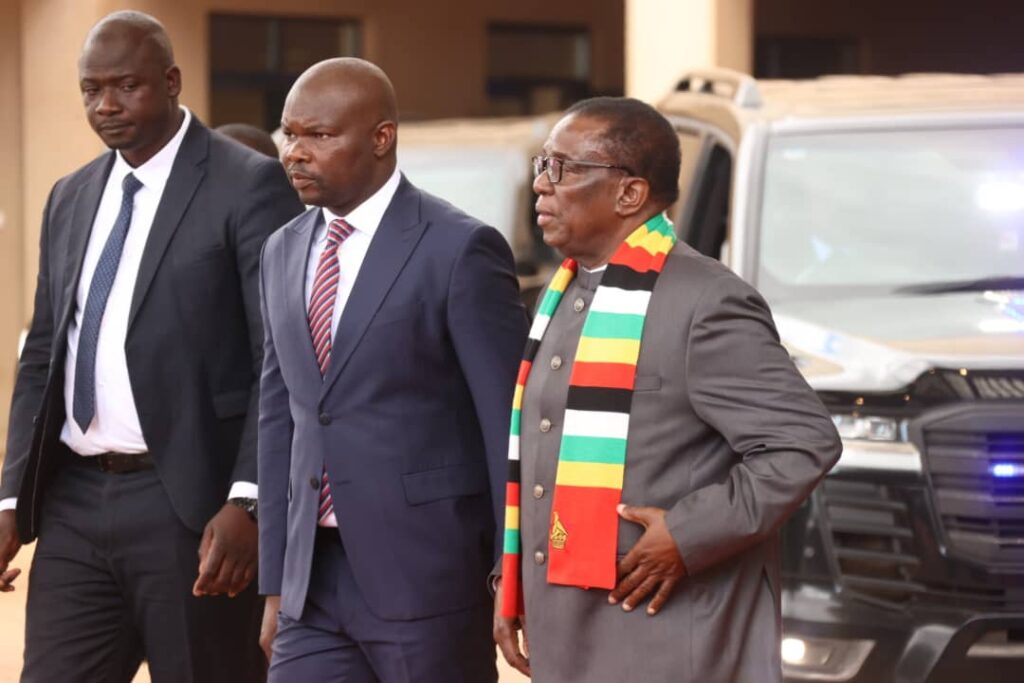
The President was welcomed with song and dance by schoolchildren from across the country, who had gathered to mark the occasion under this year’s theme: “Education for All Children in Africa: The Time is Now.”
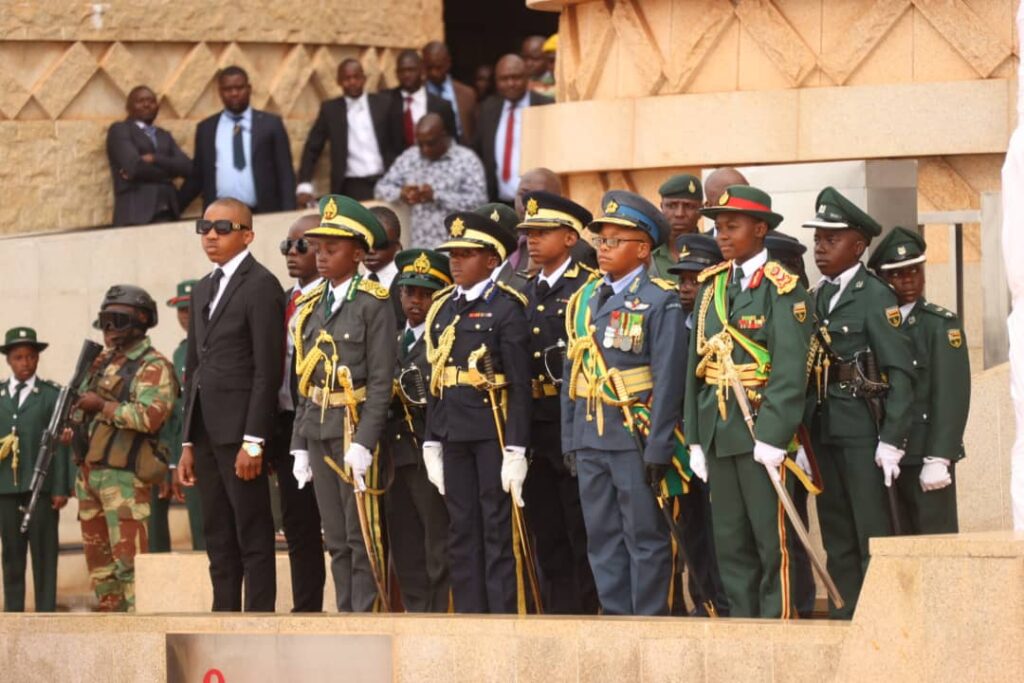
The event serves as a platform for children to raise key issues affecting them and to participate in national discourse. It also provides the government with an opportunity to reaffirm its commitment to the rights and welfare of children, particularly in the areas of education, health, and child protection.
The Junior Parliament, inaugurated in 1991, continues to play a crucial role in nurturing leadership skills among Zimbabwean youth and promoting child participation in democratic processes.
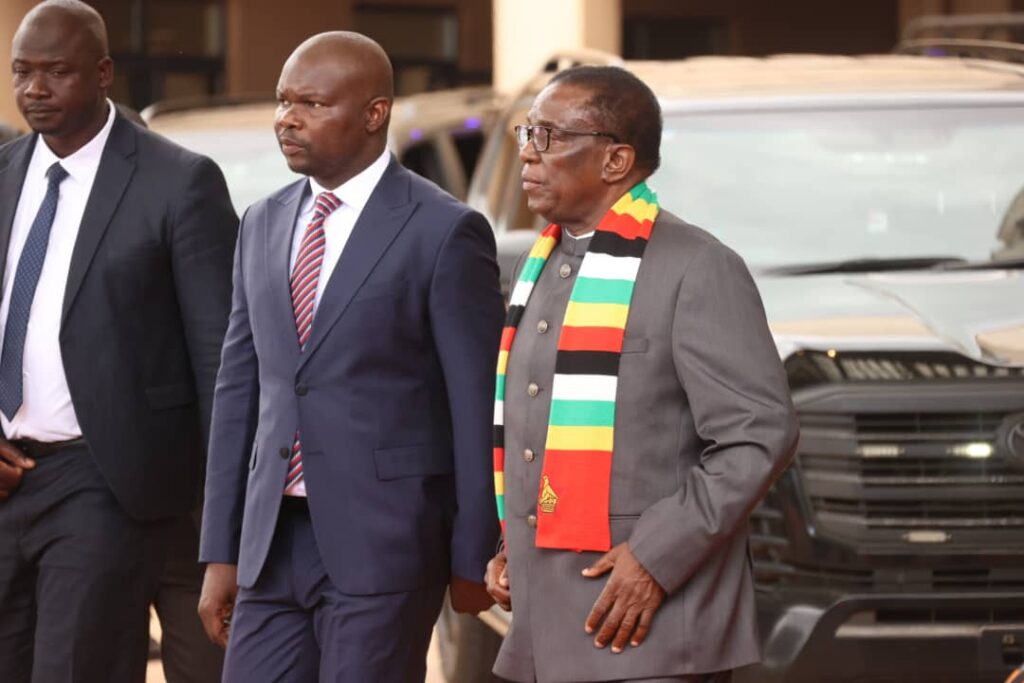
This year’s session comes at a time when the Second Republic is accelerating efforts to improve access to inclusive, quality education, especially in rural and disadvantaged communities.
Child President arrives
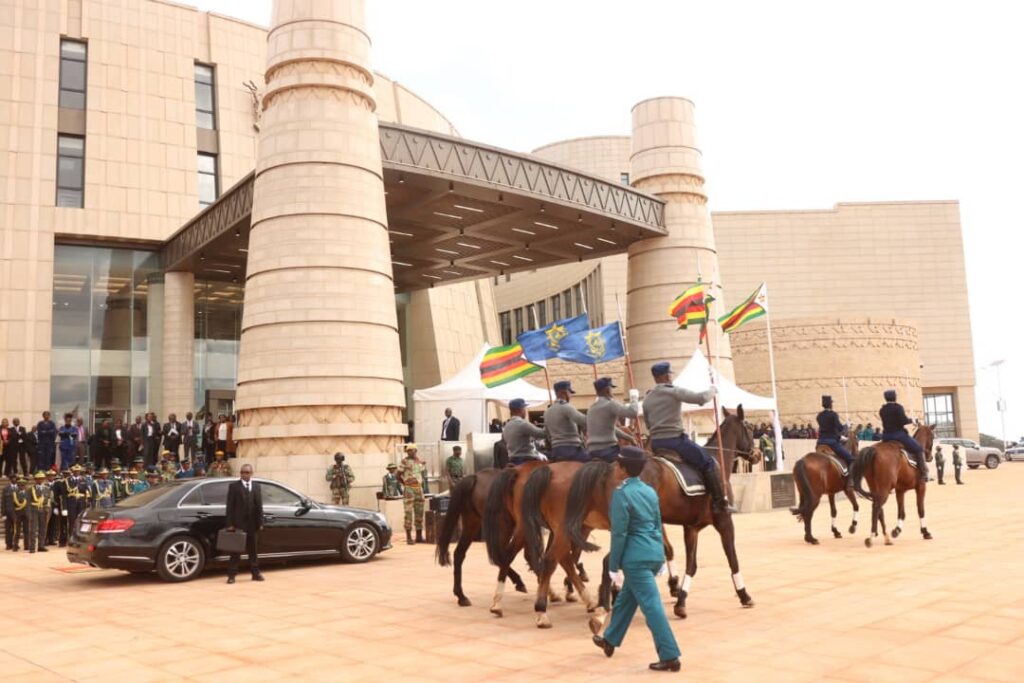
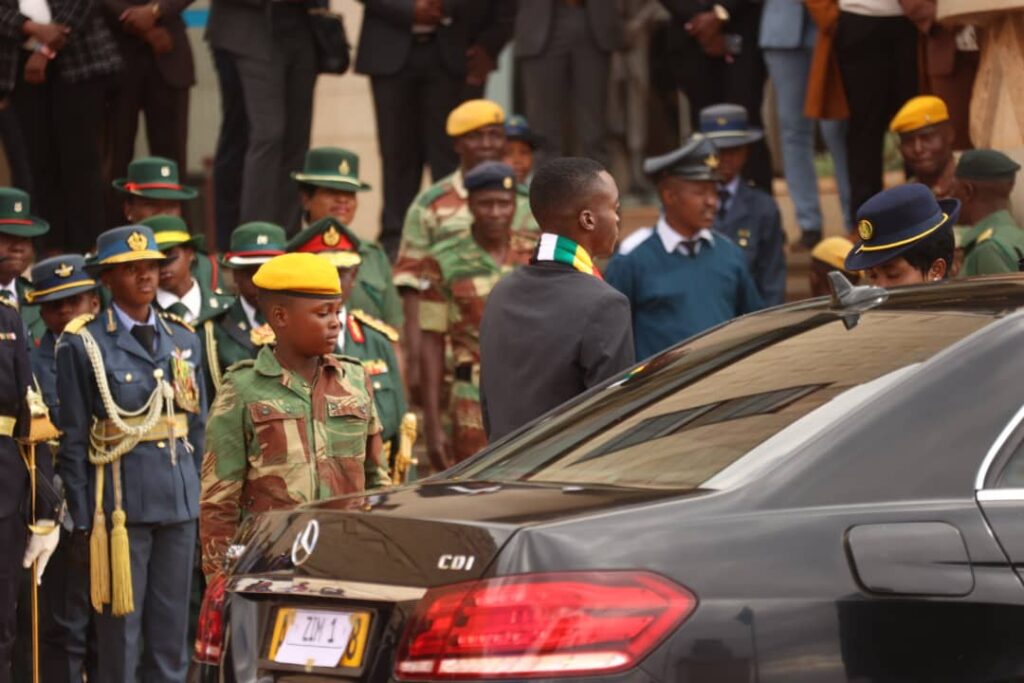
Child President Lionel Mazarire has arrived, marking the beginning of official proceedings.
The gathered crowd sings the national anthem as the Child President prepares to inspect the guard of honour.
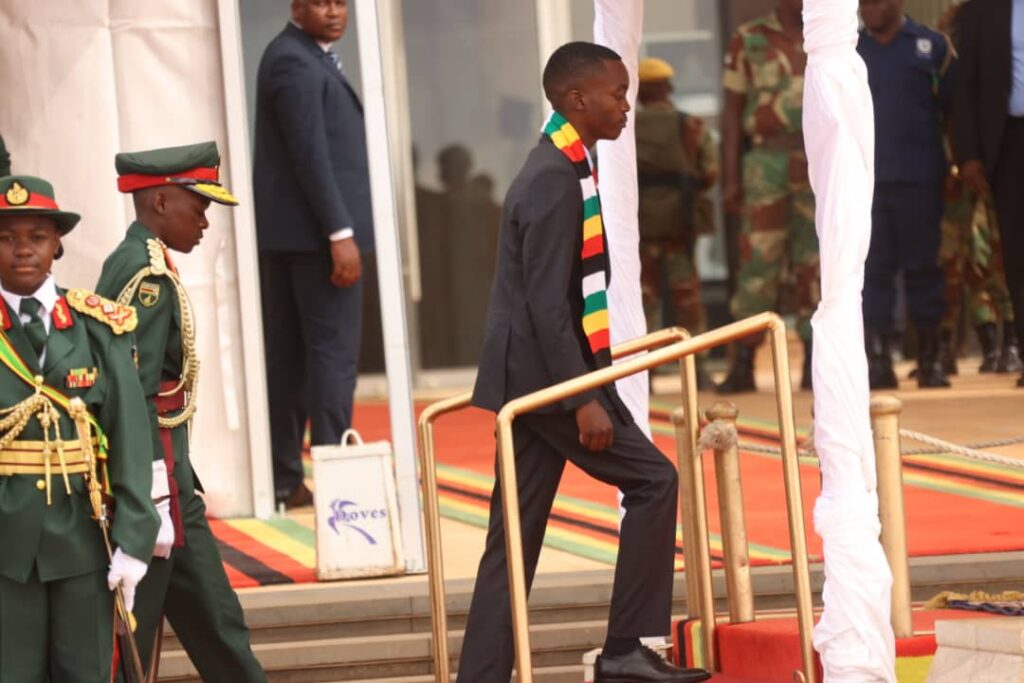
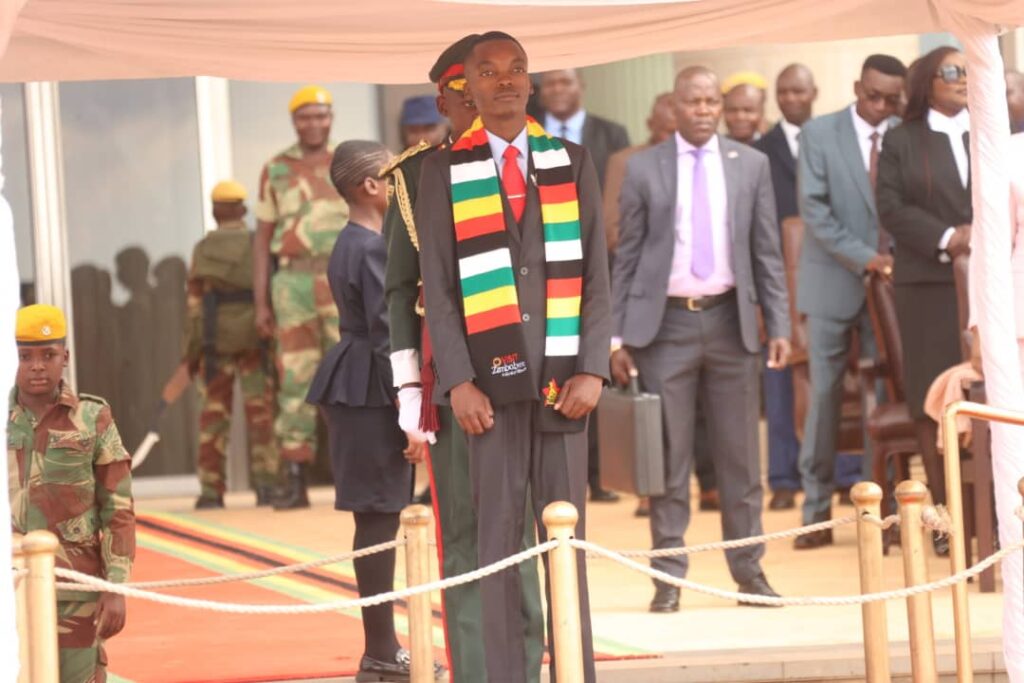
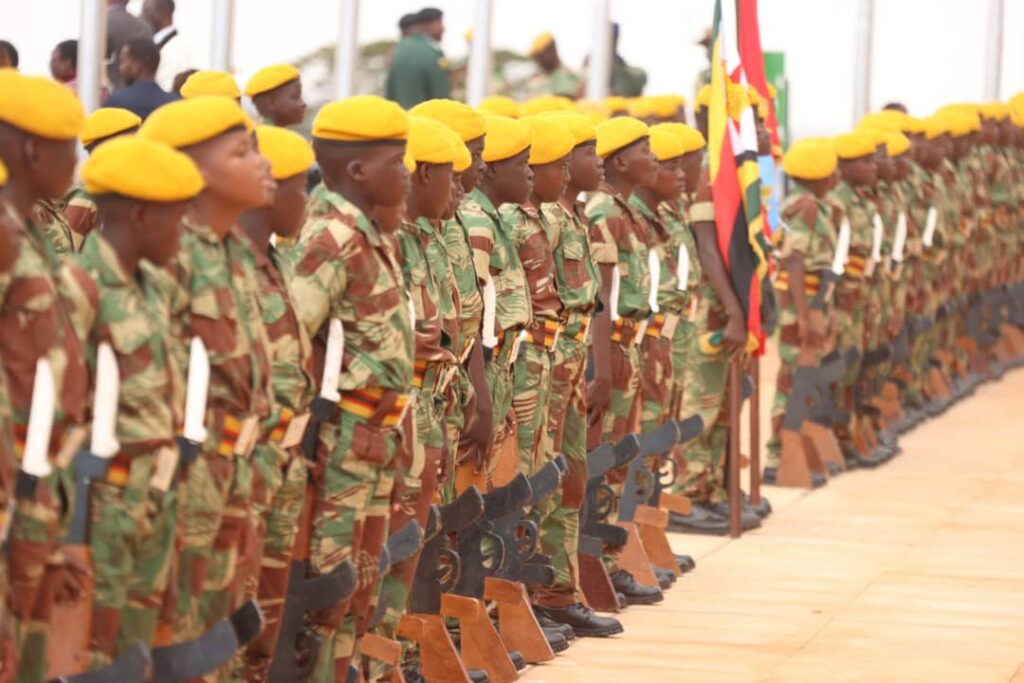
The guard of honour, mounted by Dzivarasekwa Primary, has put on impressive and colourful drills since morning.
The procession will make its way into the Parliament building shortly.
Dzivarasekwa Primary steals the show with guard of honour at Junior Parliament opening
Junior officers from Dzivarasekwa Primary School brought pomp, discipline, and spectacle to the 33rd Session of the Junior Parliament opening on Thursday, as they mounted an impressive guard of honour for President Mnangagwa.
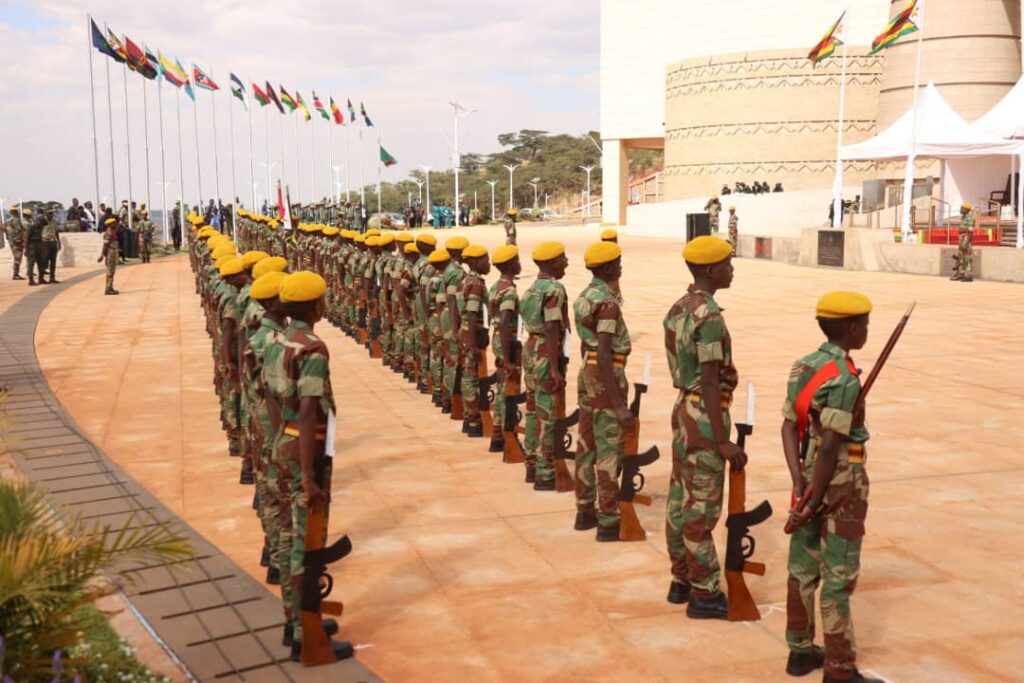
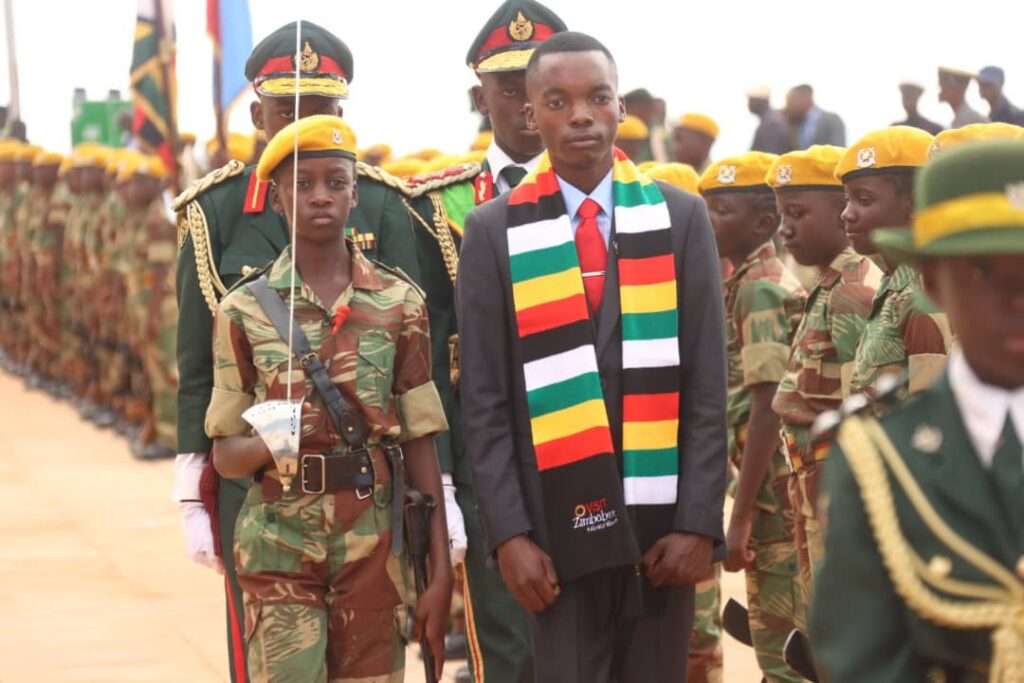
Dressed in neatly pressed ceremonial uniforms, the young cadets executed their drills with precision and confidence, earning admiration from dignitaries, parents, and fellow learners gathered at the Parliament Building.
Their performance added a vibrant touch to the event, blending youthful enthusiasm with military-style discipline. The pupils saluted the arrival of the Head of State in true ceremonial fashion, marching in sync and standing at attention as the Presidential motorcade pulled in.
Their coordination and decorum drew rounds of applause from the crowd, setting an energetic tone for the day’s proceedings.
The display formed part of broader celebrations to mark the Day of the African Child, with this year’s commemorations focused on the theme “Education for All Children in Africa: The Time is Now.”
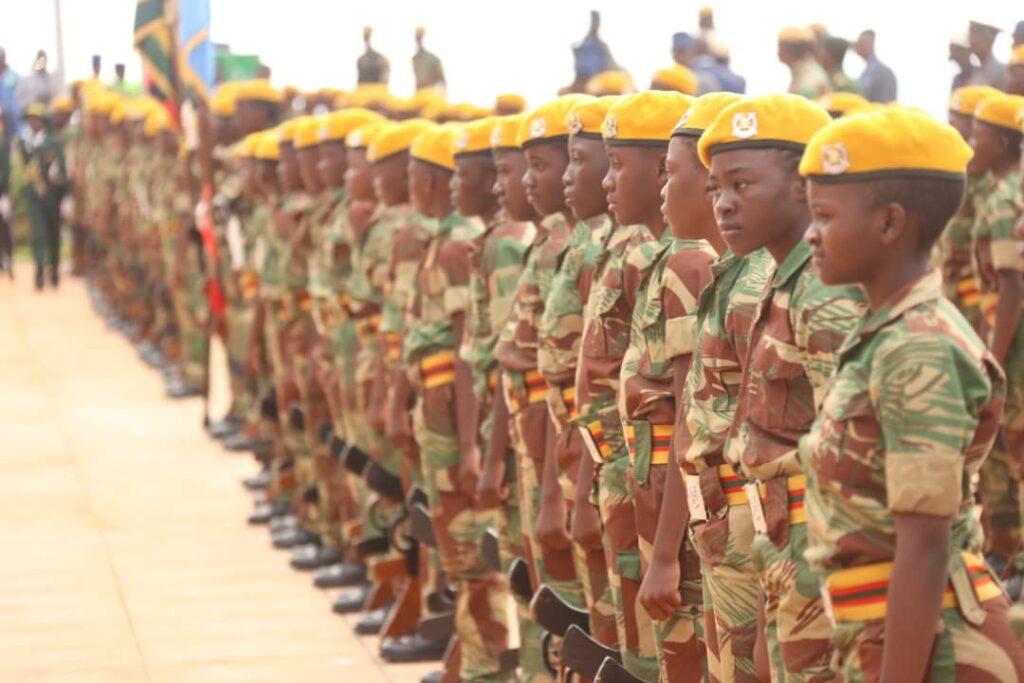
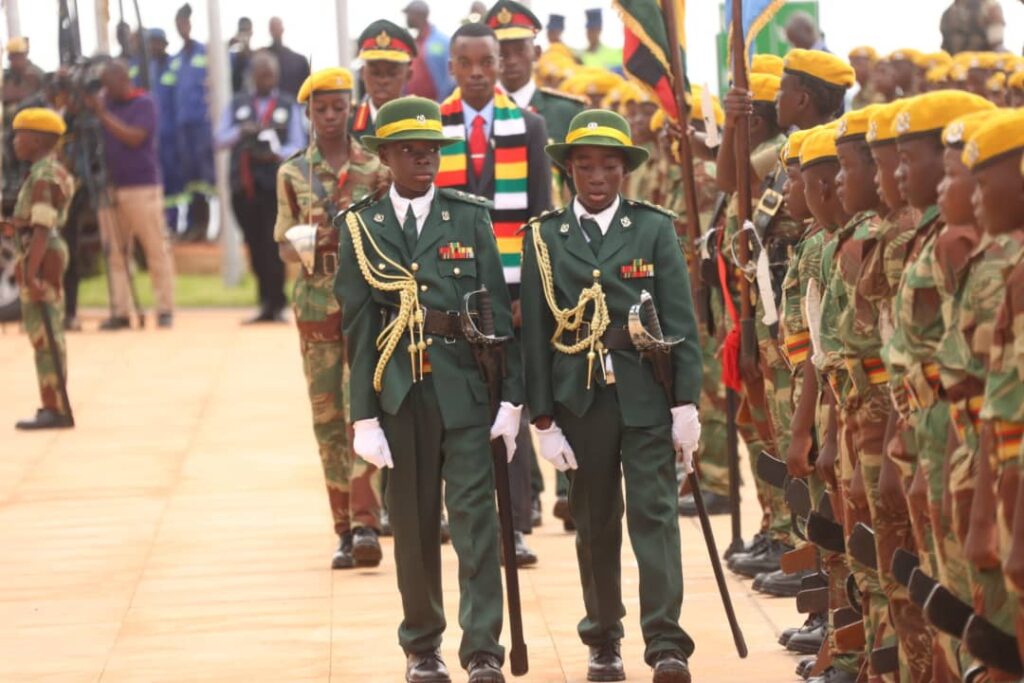
The Dzivarasekwa contingent’s participation highlighted how schools are playing a key role in instilling patriotism, civic responsibility, and leadership skills from a young age.
The guard of honour by Dzivarasekwa Primary has become one of the standout features of the annual event, showcasing the creativity and discipline of Zimbabwe’s youth in national ceremonies.
33rd Junior Parliament session commences
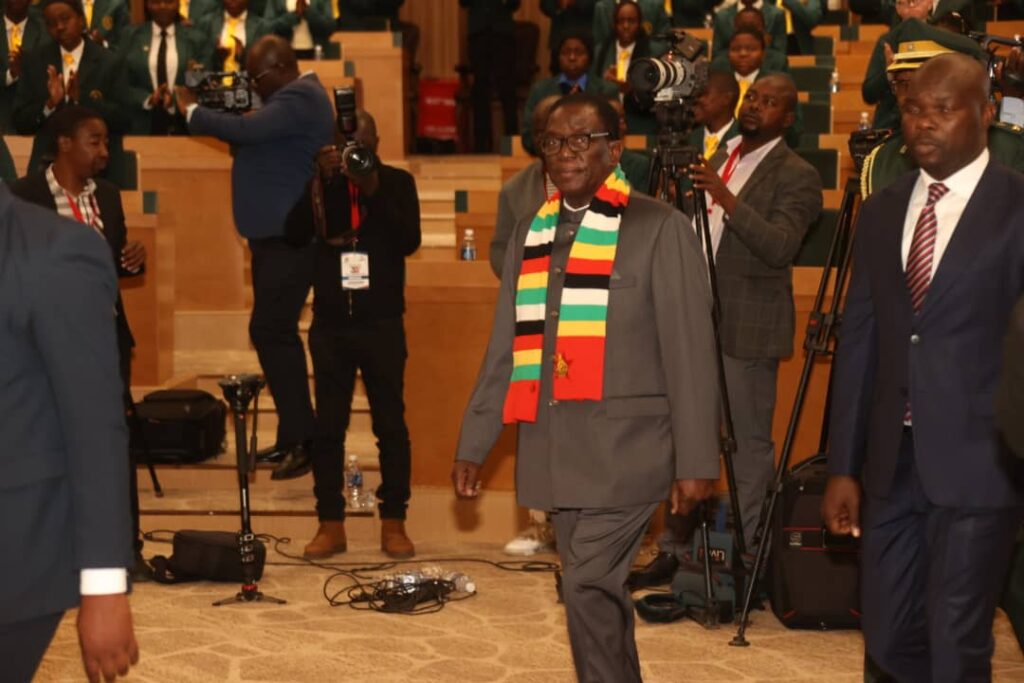
President Mnangagwa has now entered the National Assembly Chamber together with his two Vice Presidents, Dr. Constantino Chiwenga and Cde Kembo Mohadi, in readiness for the commencement of the 33rd Session of the Junior Parliament sitting.
Immediately, the procession of the Junior Speaker walks in before a Proclamation summoning Parliament is read. The Proclamation serves to notify that the Child President will address a Joint Sitting of both the National Assembly and Senate.
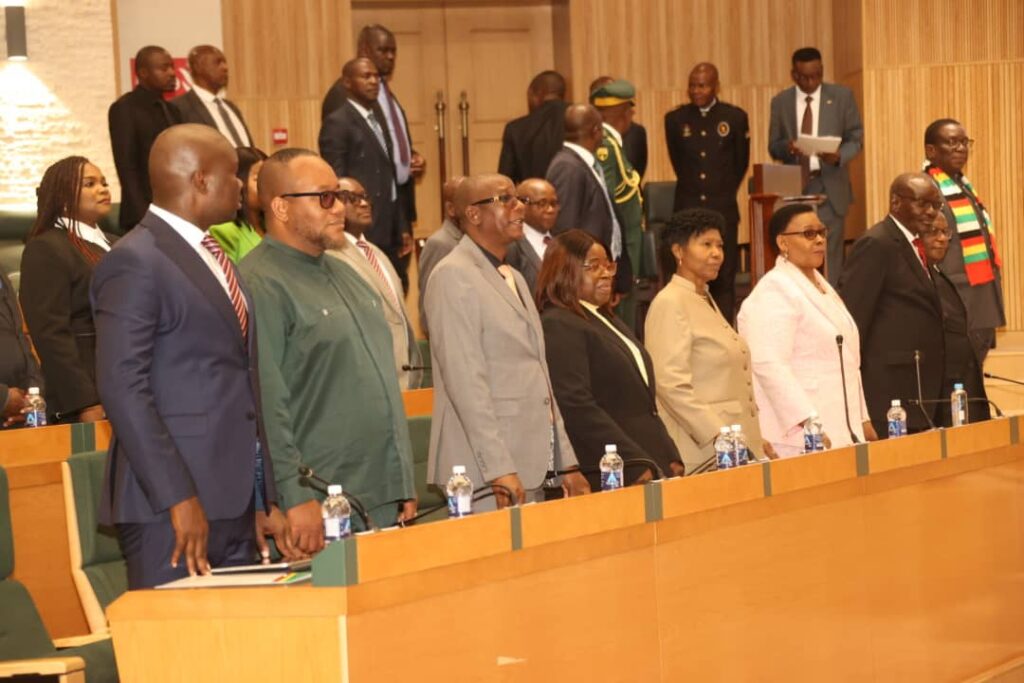
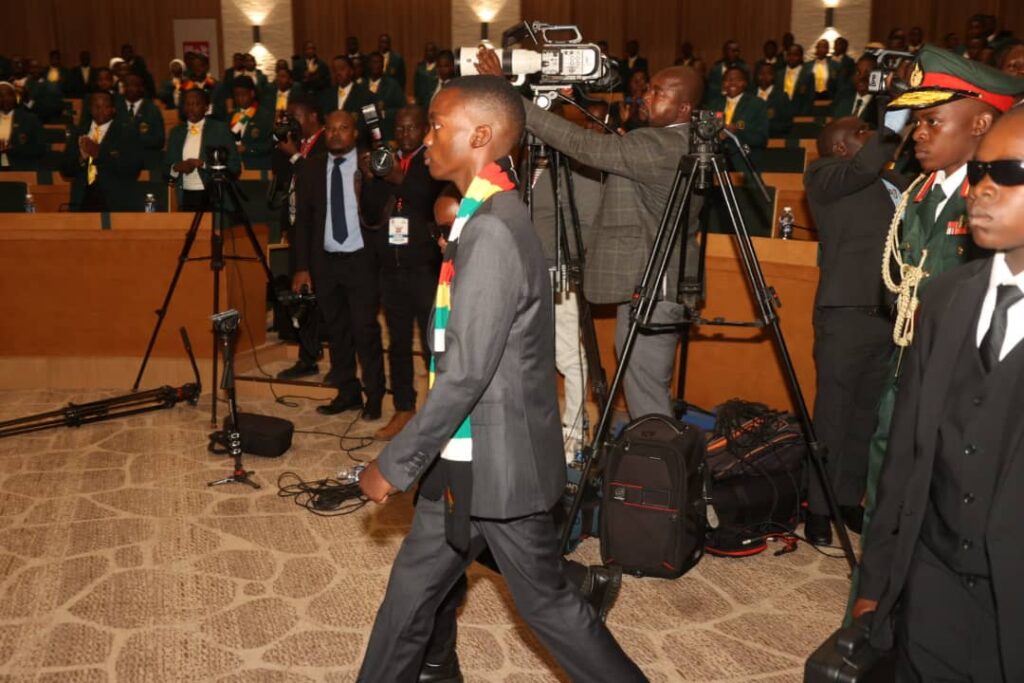
Business is briefly suspended before its immediate resumption to allow a procession of the Child President to walk into the Chamber, signalling the commencement of proceedings, which is marked by the singing of the national anthem.
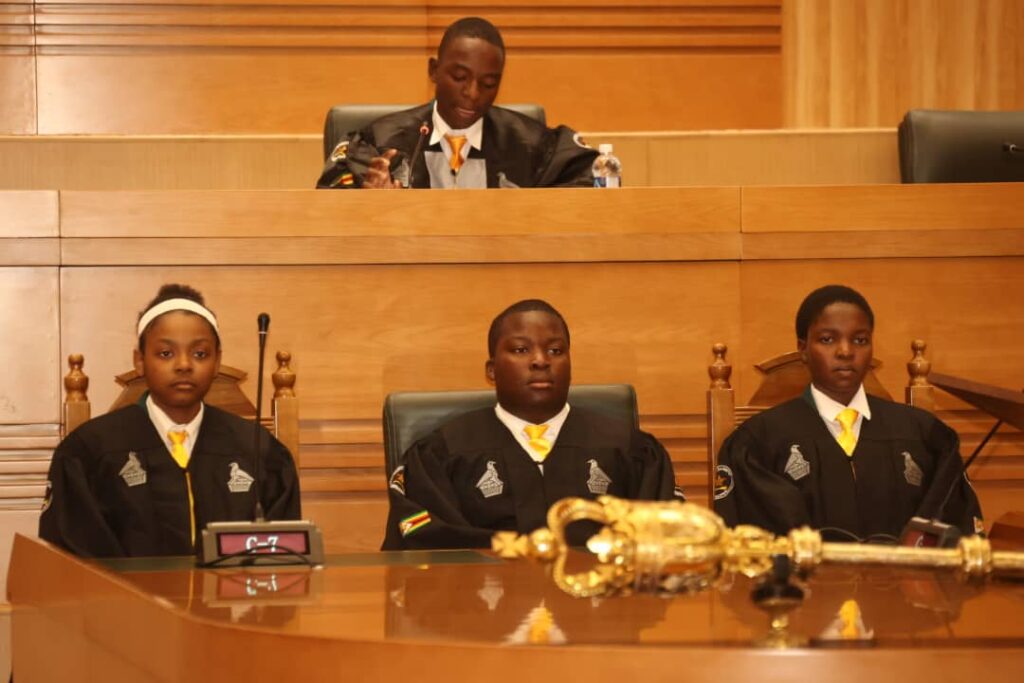
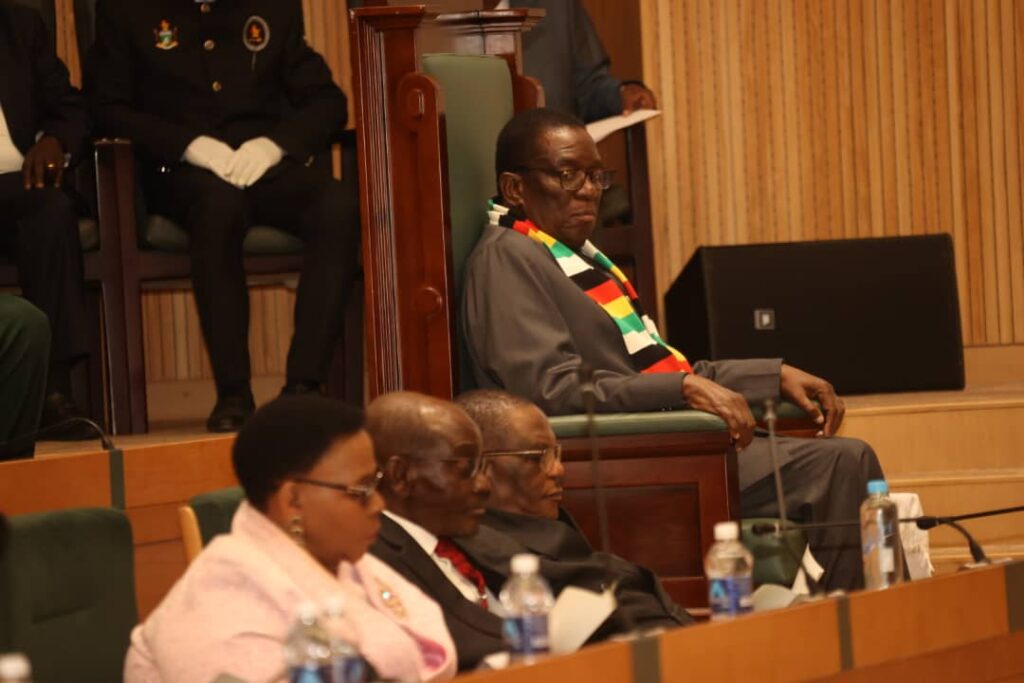
To signal the official start of business, Child President Lionel Mazarire now starts delivering his address, which he begins with salutations to all dignitaries, led by President Mnangagwa.
Child President Mazarire challenges youth to contribute to national development
In his keynote address, Child President Lionel Mazarire called upon the Government to prioritise youth empowerment, emphasising that young people are the future leaders of the country.
Mazarire expressed his commitment to ensuring that school-going children are equipped with the necessary skills and capacities to succeed.
“During my term of office, I will ensure that the issues affecting young people are addressed,” he pledged.
The Child President also encouraged his peers to take an active role in contributing to the country’s success.
“As young people, we should participate towards the country’s success,” he emphasised.
Mazarire challenged the Junior Parliamentarians to take their roles seriously, recognising the significant contribution they can make to the country’s development.
With his address, Child President Mazarire officially opened the 33rd Junior Parliament session.
Child Parliamentarians praise Government, call for improvements in education sector
Child Parliamentarians have praised the Government for prioritising education, while also calling for further improvements to address ongoing challenges in the sector.
Speaking during the 33rd Session of the Junior Parliament, which is still ongoing, several young legislators commended the Government for building more schools, distributing computers, drilling boreholes, and installing solar systems in schools. They also welcomed the move to grant children free access to medical services.
The Presidential Borehole Drilling Scheme received special mention, with the Child Parliamentarians highlighting the critical role it plays in addressing water shortages, particularly in rural schools.
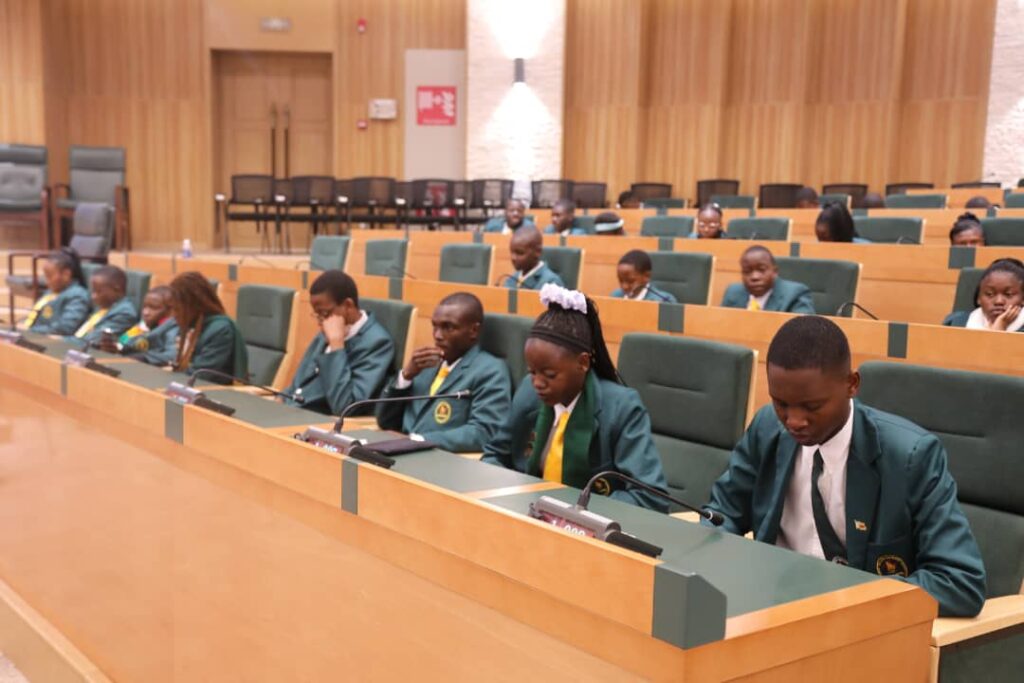
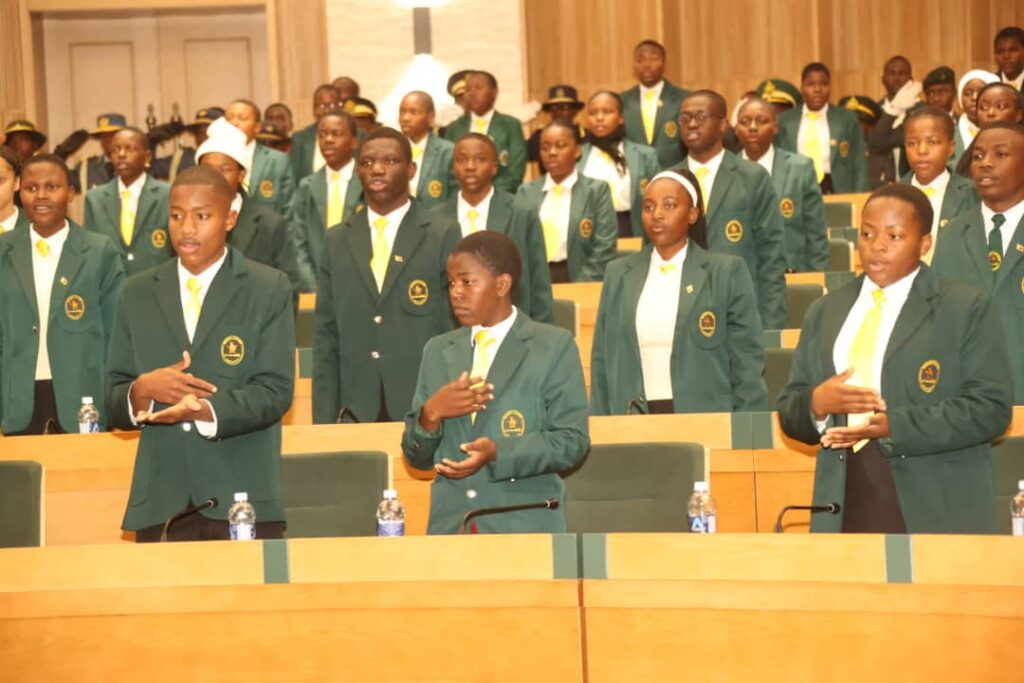
The young MPs also applauded Government’s efforts to end drug and substance abuse among children and youths.
Despite the progress, the Child Parliamentarians underscored the need for greater inclusion of children with disabilities in the education system. They also called on the Government to take action against schools refusing payment of fees in local currency.
Teachers who skip lessons and schools with overcrowded classrooms were also criticised during the session, with the young leaders urging authorities to take corrective measures to ensure quality education for all.
Government hails Junior Parliamentarians for raising key issues
Permanent Secretary in the Ministry of Youth, Mr Solomon Mlanga, said the Government has to interact with the youth to understand their needs.
He noted that their debates reflect the faith they have in President Mnangagwa’s leadership.
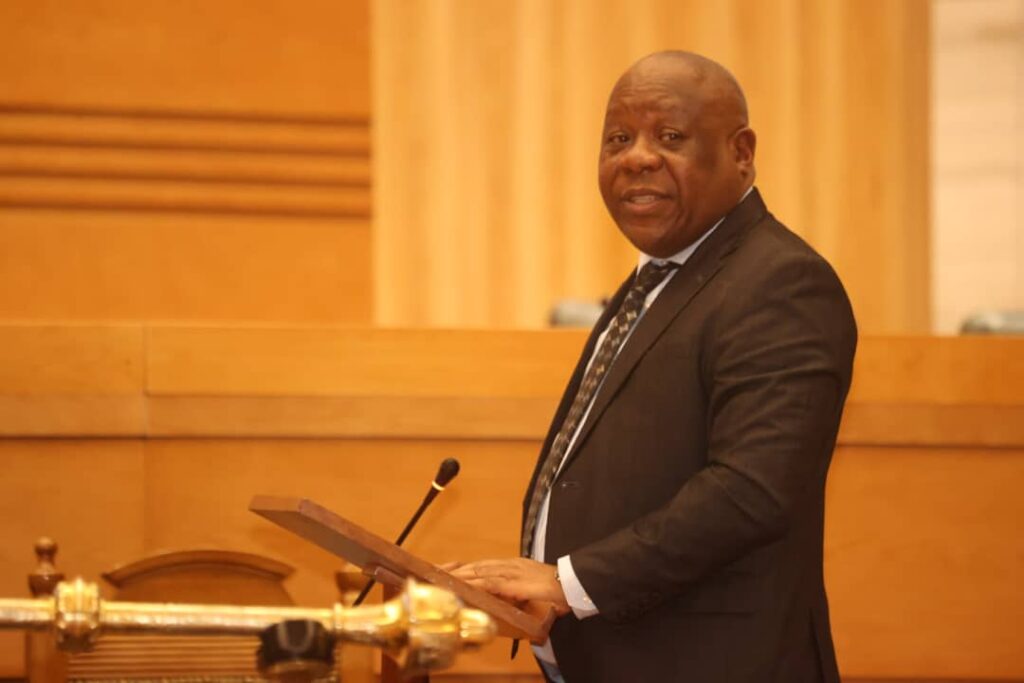
Mr Mlanga commended the children for raising their issues, which will be responded to by the Cabinet.
“We are quite happy as Government to understand the issues raised by children, which affect their daily lives,” he said.
“I’m Not Honourable Sir, I’m the Speaker of the House!”: Child Parliament Speaker wins hearts with wit and discipline
If you thought the Child Parliament was all candy wrappers and kids playing politics, you’re not alone, but you’d be dead wrong.
Presiding over the chamber like a seasoned statesman was Michael Ndambani of Chaplin High School, representing the Midlands Province.
The young Speaker ran the show with a mix of decorum, discipline and dashes of dry humour that had even seasoned politicians grinning from the gallery.
With a gavel in one hand and confidence in the other, Speaker Ndambani ensured the House conducted its business in a manner many adult parliaments could learn from.
There were no tantrums, no paper planes, and certainly no slouching, only parliamentary business, properly done.
One Honourable Member learned that the hard way after boldly declaring there were 6.3 children in Zimbabwe.
To Speaker Ndambani’s credit, he allowed the Member to correct the baffling statistic.
Alas, the correction never came. The Member doubled down on the decimal.
With the firmness of a judge and the patience of a preschool teacher, Speaker Ndambani simply asked him to take his seat, cue applause and hearty laughter from the public gallery.
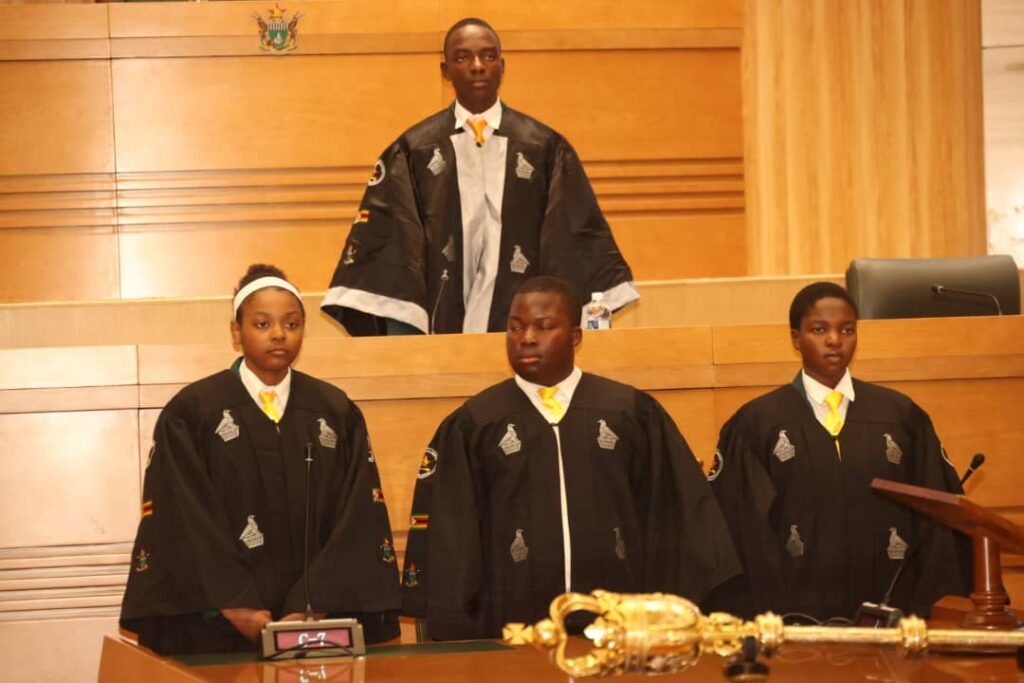
But perhaps the moment of the day, the headline act, if you will, came when another Honourable Member, brimming with respectful enthusiasm, referred to the Speaker as “Honourable Sir.”
Speaker Ndambani, unfazed and razor-sharp, raised a finger and calmly corrected her:
“I’m not Honourable Sir. I’m the Speaker of the House.”
As if scripted by a comedy writer, the Honourable Member repeated the gaffe moments later.
The Speaker didn’t flinch.
He just asked her to take her seat, again, earning another ripple of chuckles from the gallery.
Even the senior MPs watching the proceedings couldn’t help but admire the young Speaker’s no-nonsense style.
As Ndambani announced the start of the Cabinet response session, one MP was overheard jokingly whispering to a colleague:
“Don’t take any chances with this Speaker.”
And to anyone still doubting the seriousness of Child Parliament, consider this your official correction: it’s not child’s play.
Senate President praises Junior Parliament’s inclusive composition
Senate President Cde Marble Chinomona has commended the Junior Parliament, saying it is not only a platform to nurture talent and future leaders but also to deepen the country’s democracy.
In her address following the Junior Parliament plenary session, Cde Chinomona stated that the Junior Parliament was a cornerstone for youth development through direct engagement with policymakers.
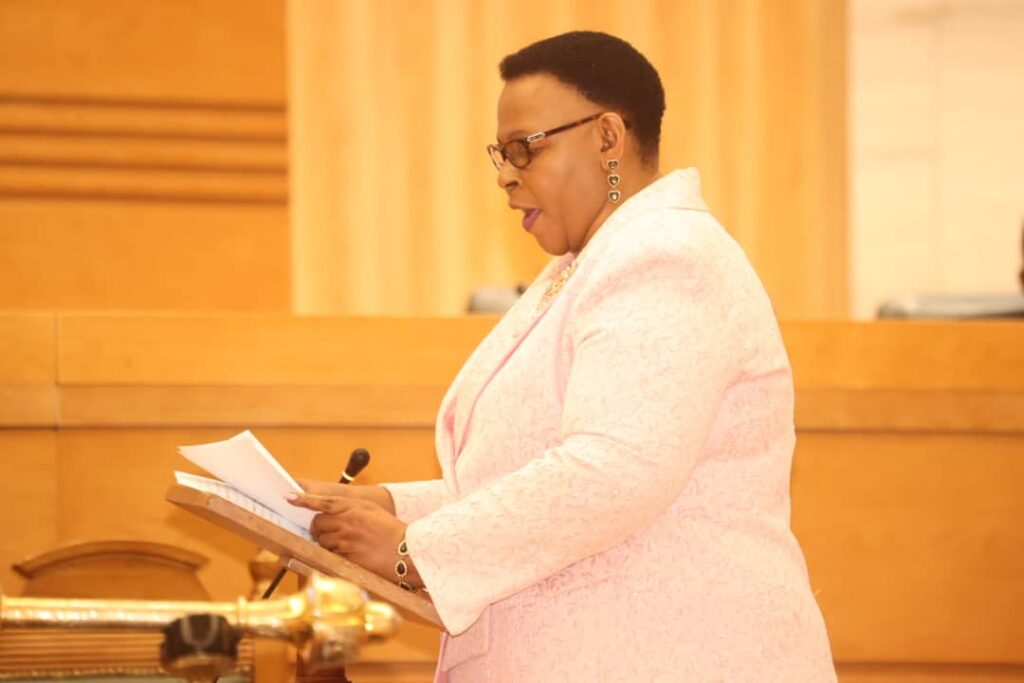
She commended the diverse composition of the Junior Parliament, noting that girls constitute the bulk of membership, a development that she said demonstrates the Government’s commitment to the development of the girl child.
“I noted that girls make up 64 percent of the current Junior Parliament. This assembly embodies a true diversity of our nation, and I am greatly moved by the number of girls. The inclusion of 10 children with disabilities shows that every child has an opportunity to develop the nation,” said Cde Chinomona.
She emphasised that the Junior Parliament is not just a symbolic body but a platform to advocate for children’s rights.
Extra lessons in schools illegal and unacceptable: Minister Moyo
Minister of Primary and Secondary Education, Torerai Moyo, said that the Government last year allocated a budget sufficient to recruit 8 000 teachers.
“The Government is currently working towards the recruitment of more teachers to normalise the teacher-to-pupil ratio in schools,” Minister Moyo explained.
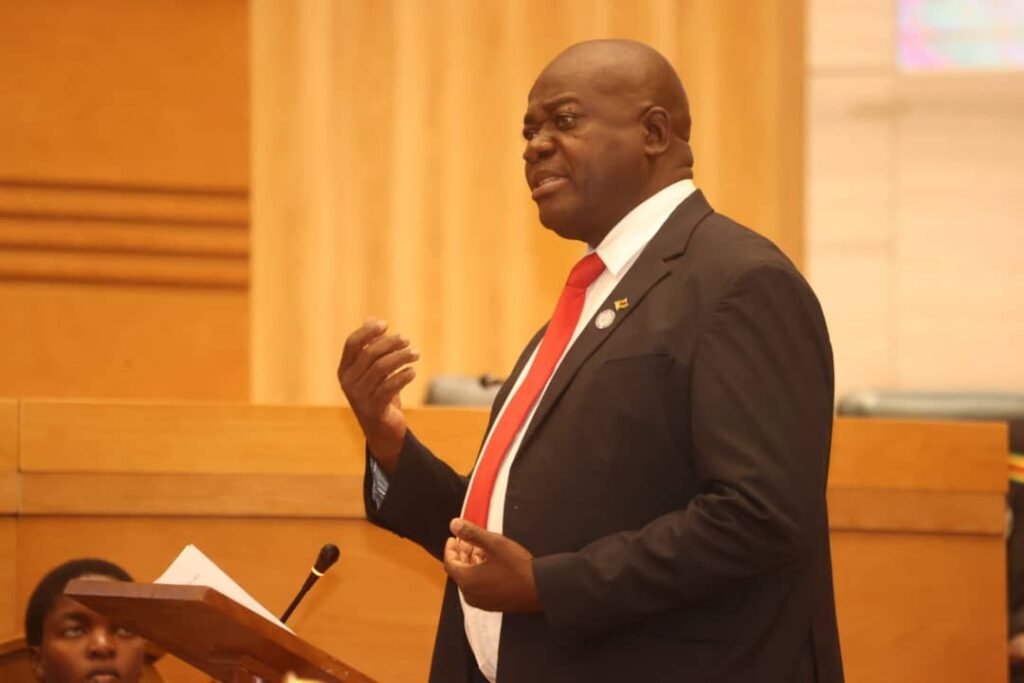
Through the national fiscal budget, the Ministry received the largest allocation of ZiG46 billion, which will be utilised for the construction of new schools and the purchase of textbooks. The Ministry is also currently developing new textbooks that align with the heritage-based curriculum, focusing on problem-solving skills.
Responding to concerns raised by Junior Parliamentarians, Minister Moyo stated that the Government is working towards the digitalisation of schools in both rural and urban areas.
Regarding extra lessons by teachers in schools, Minister Moyo emphasised that, according to Zimbabwean law, it is illegal for teachers to conduct extra lessons in schools.
“Extra lessons will never be allowed within school premises, as this would enable teachers to discriminate against students,” he said.
Minister Moyo also clarified that school fees can be paid in both local currency and foreign currency.
I’m a product of the Junior Parliament, Minister Mavetera
Minister of ICT, Tatenda Mavetera, has described the Junior Parliament as a platform for young people to launch their leadership careers.
Minister Mavetera, who was a Junior MP for Gweru, said that with hard work, current Junior MPs can end up in her position.
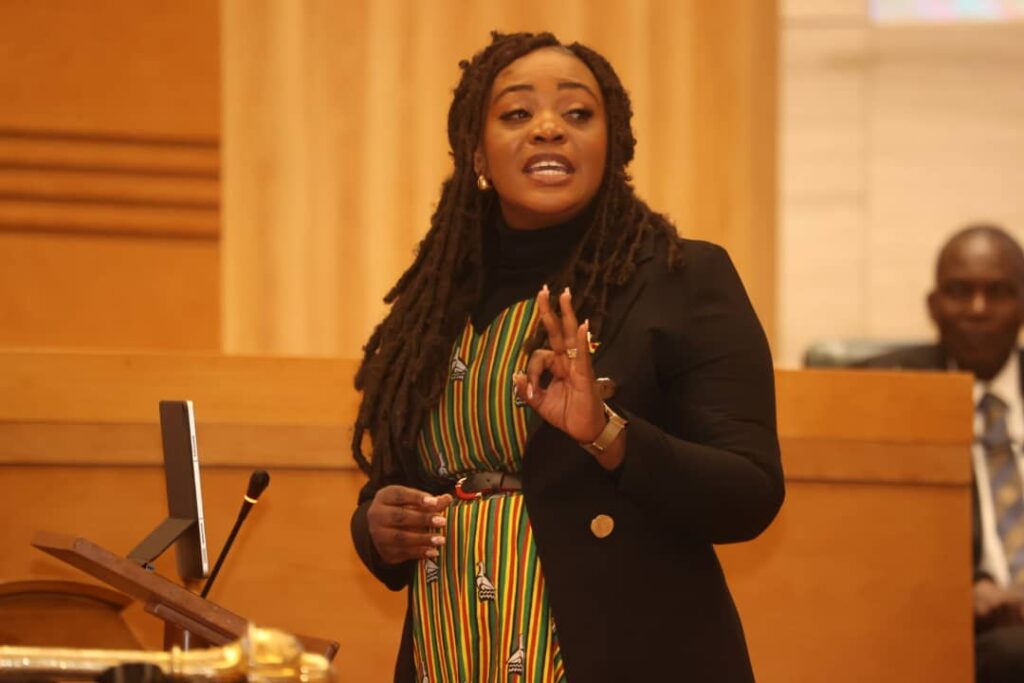
“I once sat where you are seated today, and I can assure you that if you work hard, listen to your parents and leaders, and remain focused, you will succeed,” she said.
Minister Mavetera stated that the Government will continue its programme to provide schools and youth centres with ICT gadgets.
President donates 360 tablets to Junior Parliamentarians
President Mnangagwa has donated 360 tablets to Junior Parliamentarians.
Additionally, every school will be equipped with Starlink internet facilities.
Minister of Youth, Tino Machakaire, confirmed the development and commended President Mnangagwa for the gesture.
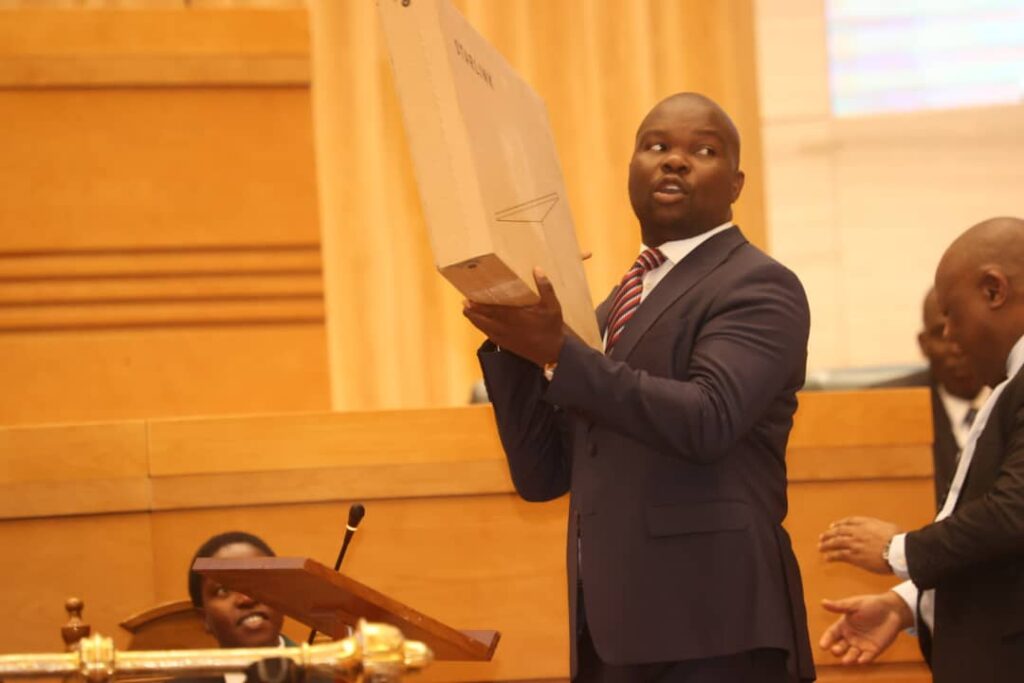
He urged the Junior Parliamentarians to exercise a high level of discipline.
Minister Machakaire also praised President Mnangagwa for appointing young people to strategic ministries and government positions.
“All ministries should have a youth desk to ensure Vision 2030 is within reach,” said Minister Machakaire.
He promised to nurture the current Junior Parliament members and introduced the guest of honour, President Mnangagwa.
President Mnangagwa addresses Junior Parliament
President Mnangagwa has taken to the stage, chronicling the origins of the African Child commemoration, which began when youths in South Africa confronted the racist and apartheid regime.
He outlined several government efforts to mitigate challenges faced by children, including the Basic Education Assistance Module, which pays tuition fees for underprivileged pupils.
“To date, over 1.5 million vulnerable children have accessed quality education through this facility,” he said.
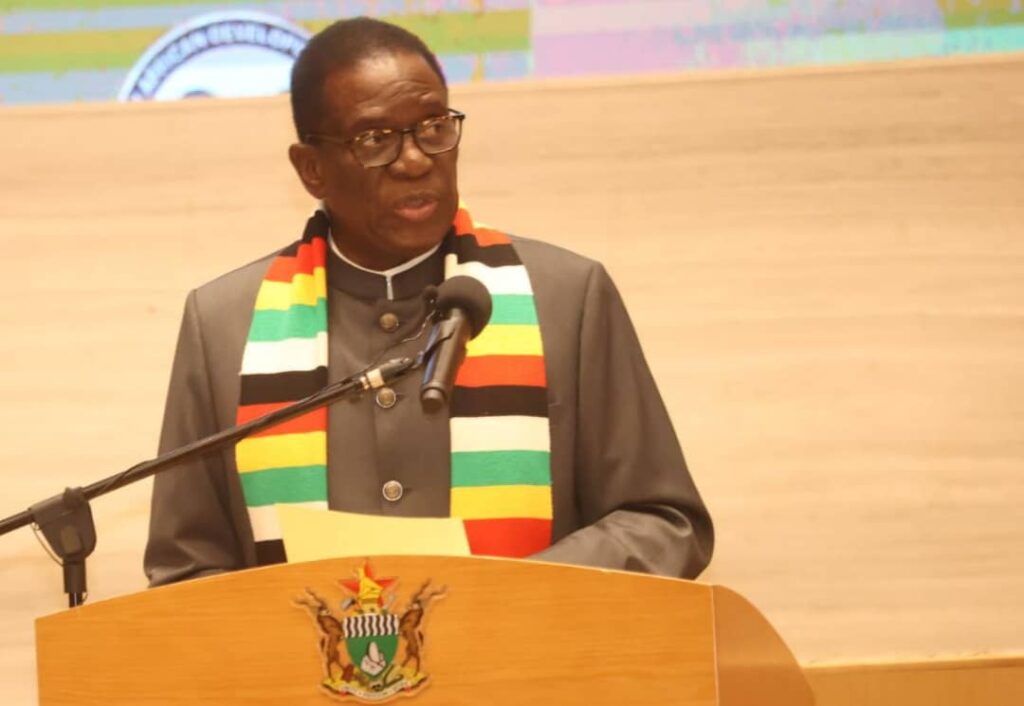
President Mnangagwa challenged the Junior Parliament to engage in open and honest discussions on national issues that contribute to nation-building.
“Don’t be shy to express your thoughts and point out where you feel we are failing. This forum must not be reduced to a mere talk show but should inform national development priorities,” he said.
He emphasised the need to transform Vocational Training Colleges into Community Innovation Hubs. Under the Fourth Industrial Revolution, more than 1.5 million young people will benefit from digital skills programmes under the Smart Zimbabwe 2030 initiative.
President Mnangagwa urged the youths to shun drug abuse, which undermines their prospects for a brighter future.
“Resist peer pressure and drug abuse, as these will undermine your chances of a brighter future. I urge you to be Champions of Child Protection,” he said.
He also advised them to listen to the wise counsel of their parents. “You can never be wiser than your parents,” he said.
Finally, President Mnangagwa congratulated the new Child President, Lionel Mazarire, and the Speaker of the Junior National Assembly, Michael Ndambani.