

 Bongani Ndlovu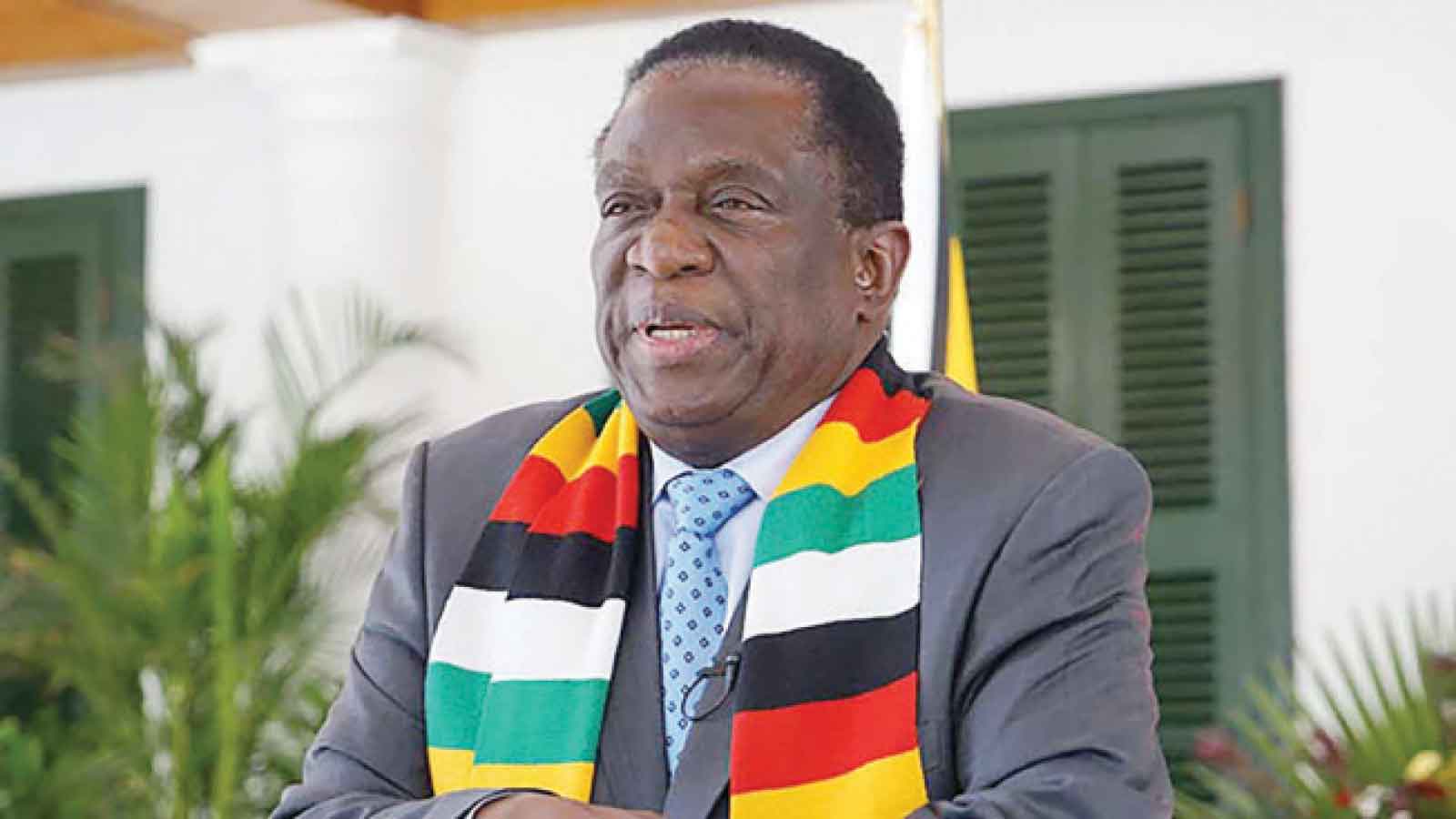
Rutendo Nyeve, [email protected]
PRESIDENT Mnangagwa is set to officiate at the 2026 SADC Sustainable Energy Week (SEW), which will be held in Victoria Falls from 23 to 27 February 2026.
The Southern African Development Community (SADC) Secretariat confirmed the Head of State and Government’s participation on Monday, announcing that the official opening will be graced by President Mnangagwa alongside the SADC Executive Secretary, Ministers responsible for Energy from Member States, and high-level representatives from international, regional, and national institutions, as well as the private sector and development partners.
The event is being jointly hosted by the Ministry of Energy and Power Development of the Republic of Zimbabwe and the SADC Centre for Renewable Energy and Energy Efficiency (SACREEE).
This year’s conference will be held under the theme: Driving Regional Economic Growth through Clean Energy and Energy Efficiency.
In a press release issued on Monday, the SADC Secretariat revealed that the five-day event will be graced by President Mnangagwa.
“The five-day event is expected to be officiated by His Excellency Dr. Emmerson Dambudzo Mnangagwa, President of the Republic of Zimbabwe, alongside the SADC Executive Secretary, Ministers responsible for Energy, and high-level representatives,” reads the statement.
The event follows the directive issued by Ministers responsible for Energy at their meeting in July 2025.
At that meeting, Ministers commended the Government of the Republic of Botswana for successfully hosting the inaugural SADC Sustainable Energy Week in February 2025.
Subsequently, they directed the SADC Secretariat and its subsidiary institutions to support the Government of the Republic of Zimbabwe in hosting the 2026 edition.
“The inaugural SADC SEW was held in Gaborone, Botswana, from 24 to 28 February 2025, culminating in 18 actionable recommendations that have since been incorporated into the operational plans of the SADC Secretariat and SACREEE,” reads the statement.
Key recommendations from the 2025 conference included achieving universal energy access as a foundation for economic growth and development; strengthening private sector participation in addressing regional energy challenges; implementing innovative financing mechanisms, including the mobilisation of pension funds and insurance portfolios and the establishment of dedicated energy funds; and prioritising local manufacturing of renewable energy components to reduce import dependency and stimulate job creation.
Building on this momentum, the 2026 edition in Victoria Falls will place particular emphasis on critical areas supporting the region’s energy transition.
“These include policy and regulatory frameworks, enabling environments, innovative and blended financing solutions, grid integration, energy efficiency, renewable energy technologies, clean cooking solutions, and energy storage,” reads the statement.
The SADC Sustainable Energy Week is a premier regional platform to promote investment, partnerships, and innovation in the renewable energy and energy efficiency sectors across the entire energy value chain.
The programme for the week will comprise high-level plenary sessions, thematic presentations, break-out sessions, and technical site visits.
These activities are aimed at facilitating knowledge exchange, showcasing best practices, and accelerating the implementation of sustainable energy solutions in the SADC region.
The participation of President Mnangagwa is set to cement Zimbabwe’s commitment to the regional agenda of sustainable and equitable economic growth through deeper cooperation and integration.
SADC is an organisation of 16 Member States established in 1980 as the Southern African Development Coordinating Conference (SADCC) and later, in August 1992, transformed into the Southern African Development Community (SADC).
The mission of SADC is to promote sustainable and equitable economic growth and socio-economic development through efficient, productive systems, deeper cooperation and integration, good governance and durable peace and security, so that the region emerges as a competitive and effective player in international relations and the world economy.
Member States are Angola, Botswana, Comoros, Democratic Republic of Congo, Eswatini, Lesotho, Madagascar, Malawi, Mauritius, Mozambique, Namibia, Seychelles, South Africa, United Republic of Tanzania, Zambia and Zimbabwe.


 Online Reporter