Online Reporter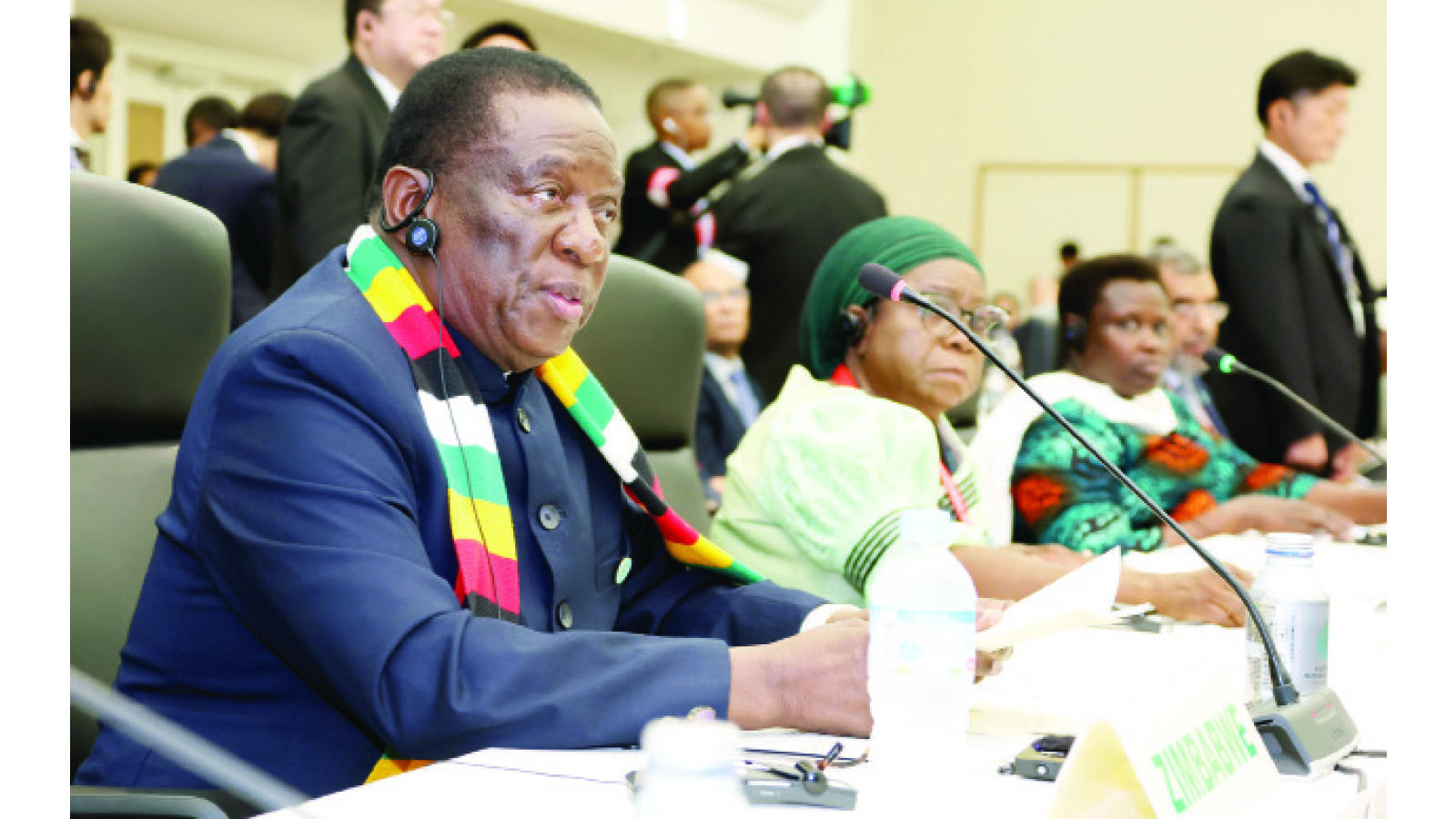
Fungi Kwaramba
National Editor
President Mnangagwa is on the move to promote Zimbabwe in the comity of nations for productivity and the good and progress of the people of Zimbabwe, Minister of Foreign Affairs and International Trade Professor Amon Murwira said.
In an interview this morning ahead of the President’s departure back home, Professor Murwira said President Mnangagwa used this year’s 9th Tokyo International Conference on Africa Development to campaign for Zimbabwe’s bid to be on the United Nations Security Council 2027-28.
“So this, I think, is very important for us, and I think it’s very clear that His Excellency is on the move, trying to promote Zimbabwe within the comity of nations, and making sure that we are not just there, we are there for productivity, and for the good and progress of our nation and its peoples. It’s very important because, as you can see, Zimbabwe is bidding to be a member of the UN Security Council as a non-permanent member from 2027 to 2028, and the elections are going to be next year, in June 2026. And the gathering like (TICAD) is very important for us to advance our interests within the multilateral environment through detailing our contribution to that, to that international environment,” he said.
The Minister said Zimbabwe is one of the countries that qualify for a seat at the Security Council because of the environment of peace and tranquillity it has created, not only at home but in the region.
“You know our activities in the Eastern Democratic Republic of Congo, trying to bring peace there, being chair of SADC, and also most importantly, Zimbabwe is a tranquil country with a non-adversarial foreign policy, with a non-judgmental foreign policy, which are attributes that we think are very important for the Security Council membership,” he said.
Minister Murwira also highlighted the strategic outreach to Japan, the world’s fourth-largest economy, noting that this engagement would expand Zimbabwe’s diplomatic reach.
The partnership promises benefits through Japan’s technological advancements and a new collaborative approach moving from “Made in Japan” to “Made Together.”