happiness Chikwanha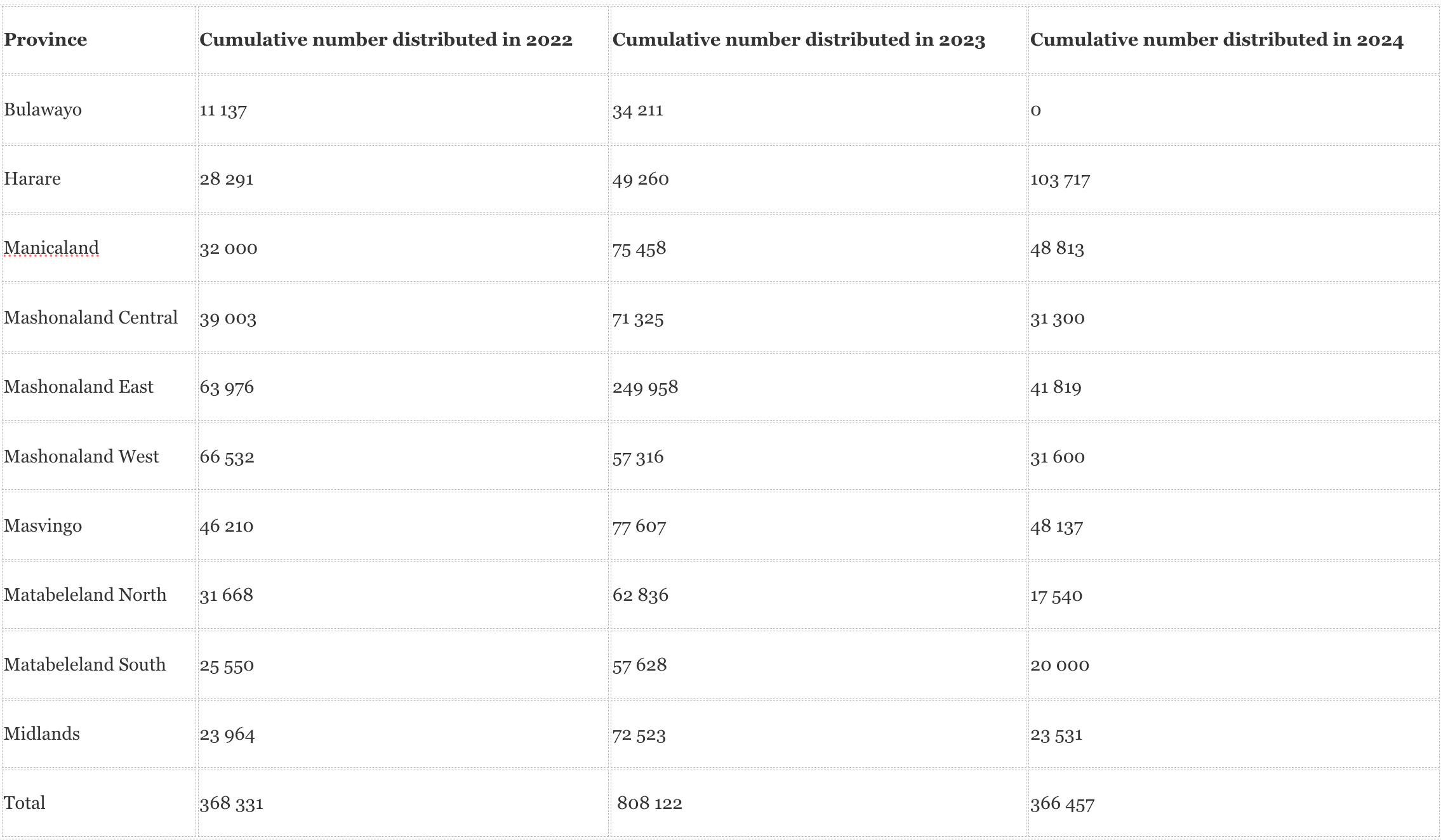
Ashton Mutyavaviri
THE Presidential Poultry Scheme continues to expand with 1 542 910 indigenous chicks distributed this year to mark a 31 percent rise from the 1 176 453 recorded in 2023.
This comes as Government is seized with boosting food and nutrition security at the household level countrywide.
Statistics released by the Ministry of Lands, Agriculture, Fisheries, Water and Rural Development reveal that since the inception of the Scheme in 2022, at least 1, 5 million chicks have been distributed across the country.
According to the records, 368 331 chicks were distributed in 2022 while 808 122 in recorded in 2023. A further 366 457 were distributed this year.
Last week, Ward 14 of Chipinge district received 12 775 chicks.
The scheme, which is targeting at least three million households countrywide, is set to commercialise rural poultry production and increase rural incomes while providing households with a rich source of protein.
Livestock Production Department (LDP) director Dr Sitokozile Sibanda said distribution was taking place every week.
The poultry scheme is set to increase incomes and alleviate poverty through commercialising free range poultry production.
Added Dr Sibanda: “Government is rolling out awareness campaigns and educating beneficiaries and participating producers on the code of practice on free range poultry production and marketing standards that are acceptable both locally and globally.”
Statistics from the national trade development and promotion organisation (ZimTrade) indicate that exports of livestock and livestock products grew by 111 percent from US$802 000 in 2023 to US$1, 69 million during the first quarter of 2024.
Major exported products in the sector were birds’ eggs, in shell, fresh (preserved or cooked), live poultry and live fish.
In the mass markets, road-runner hens are sold at between US$6 and US$7, while the cocks are priced at US$10 each, which shows the importance of integrating free-range poultry production with other production streams.
Zimbabwe’s poultry industry is expected to transform into big business and become a key cog of the national economy through the development of hatcheries, transport and logistics business, refrigeration services and much more.



 Online Reporter