MacDenias Moyo
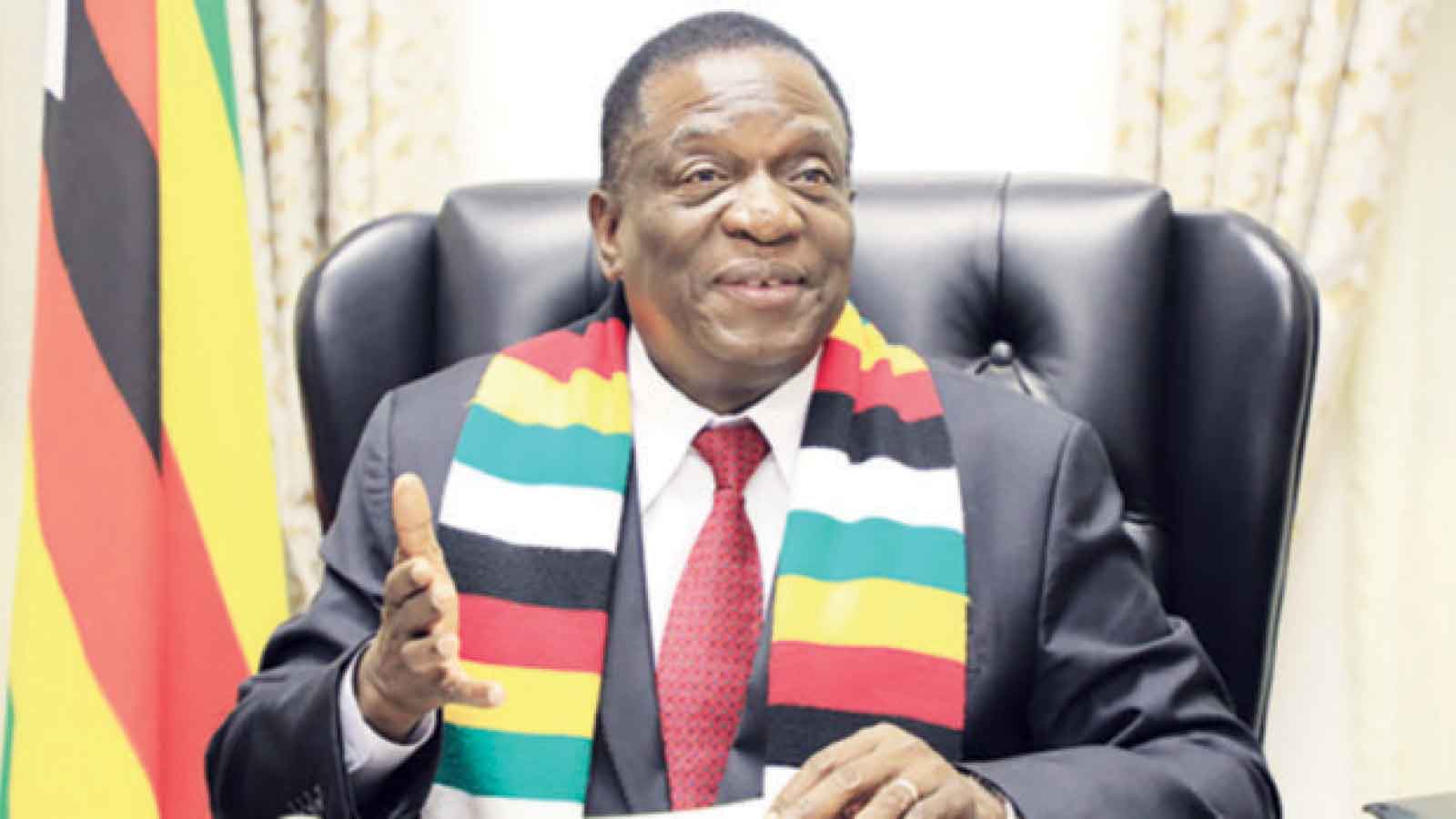
Zimbabwe stands today as a nation reborn, a republic in stride, a people in motion. The Second Republic under the brilliance of His Excellency President Emmerson Dambudzo Mnangagwa has become the architecture of reform, the custodian of sovereignty and the champion of the people.
His stewardship has fused the thunderous heartbeat of the 4th Chimurenga with the stabilising reforms of CAB3 and the transformative programmes of NDS2. It is a leadership that has declared that every citizen shall taste the fruits of sovereignty, every family shall feel the warmth of prosperity and every community shall rise with dignity.
CAB3 is the political covenant of the Second Republic. It extends electoral cycles to seven years, stabilising governance and reducing the turbulence of perpetual campaigns. It empowers Parliament to elect the President, embedding legitimacy in the heart of the people’s representatives. It strengthens the Constitutional Court, consolidates oversight and dissolves institutions that had completed their mandate.
President Mnangagwa has declared that Zimbabwe must build strong institutions that outlive individuals. Bishop Nehemiah Mutendi affirmed that if Parliament can impeach a President, then Parliament can elect a President. CAB3 provides that stability, creating space for Vision 2030 to be pursued without distraction.
While CAB3 stabilises politics, NDS2 drives the economic revolution. It is the framework through which the Government has declared that Zimbabwe shall be an upper middle income economy by 2030.
The youth are the vanguard of the 4th Chimurenga. President Mnangagwa has proclaimed that the future belongs to the young, and the Government has acted with urgency to empower them.
The Empower Bank has promised to finance thousands of youth projects in ICT, agriculture and mining. Innovation hubs are being established at universities, digital skills programmes rolled out across provinces and vocational training centres are being expanded. Minister Tatenda Mavetera has declared that the youth are not spectators, but builders of Vision 2030.
The women of Zimbabwe are the pillars of the nation. The First Lady Auxillia Mnangagwa has carried the torch of empowerment through her Angel of Hope Foundation—reaching communities with health campaigns, nutritional support and entrepreneurship projects.
The Zimbabwe Women’s Microfinance Bank has disbursed millions to women entrepreneurs, enabling them to establish businesses in agriculture, retail and services.
The war veterans are the custodians of our liberation. Their sacrifices are honoured through pensions, housing schemes and healthcare support. Comrade Christopher Mutsvangwa has declared that war veterans are the living conscience of the nation.
Housing projects in Harare South and Bulawayo have provided homes for war veterans, while medical schemes have been expanded to cover their needs.
The civil service is the backbone of governance. Salaries have been increased, housing schemes introduced and working conditions improved. Housing projects in Dzivarasekwa and Kuwadzana have been rolled out for civil servants, while salary adjustments have cushioned them against inflation.
Health is the foundation of productivity. New hospitals have been built in Harare South, Lupane and Gweru. Clinics have been established in rural areas and pharmaceutical plants such as NatPharm have expanded production.
The First Lady has led nationwide cancer awareness campaigns, maternal health programmes and nutritional support initiatives. Vice President Kembo Mohadi has declared that a healthy nation is a productive nation.
Minister Mthuli Ncube has argued that fiscal discipline is the weapon of the 4th Chimurenga. Inflation has been stabilised, the budget deficit reduced and the economy repositioned for growth. Redundant levies have been abolished, mining fees rationalised and licensing streamlined. These reforms have opened the space for black entrepreneurs to thrive and for investment to flow.
Agriculture has been revolutionised. Wheat and maize production reached record levels, tobacco farmers continued to excel and new irrigation schemes expanded the frontier. Mechanisation programmes have been rolled out across provinces. Minister Anxious Masuka has proclaimed that Zimbabwe is now food secure and our farmers are the vanguard of sovereignty.
Mining is the spearhead of the 4th Chimurenga. Black miners now own multimillion dollar mining and processing plants, adopting safe and modern practices under statutory instruments. Gold refineries in Kwekwe, platinum smelters in Selous and chrome processing plants in Midlands have been established. Minister Polite Kambamura has affirmed that value addition is the key to prosperity. The President has stressed beneficiation, ensuring that minerals are processed into finished products that create jobs and wealth within Zimbabwe.
Tourism has rebounded. Victoria Falls has become a magnet for international visitors, Great Zimbabwe has drawn scholars and tourists and Hwange has showcased Zimbabwe’s natural heritage. Black owned lodges, resorts,and travel companies have flourished. Minister Barbara Rwodzi declared that tourism is the window through which the world sees Zimbabwe’s beauty and resilience.
The Second Republic has re-engaged with the international community. Partnerships with China have brought investment in infrastructure and energy, including the Hwange Thermal Power Station expansion. Russia has invested in platinum mining at Darwendale. The African Development Bank has supported fiscal reforms and road rehabilitation. The European Union has opened new avenues for trade, while the United Nations Development Programme has supported climate resilience projects.
Dr Kudakwashe Tagwirei’s “The Africa We Want” event highlighted Zimbabwe’s role in shaping continental destiny. He declared that Africa must rise through its own resources, its own people, its own vision. Zimbabwe, under President Mnangagwa, has embodied this philosophy, becoming a champion for the people and a beacon of sovereignty.
The genius of his leadership is not merely political or economic. It is philosophical, ideological and revolutionary. It is the assertion of sovereignty, the declaration of independence, the embodiment of dignity.
President Mnangagwa has said that we are masters of our destiny, builders of our future, custodians of our sovereignty.
The African Development Bank has noted that Zimbabwe’s reforms are positioning it for sustainable growth. International institutions have recognised the discipline and determination of the Second Republic. The First Lady’s efforts across the country have shown that empowerment is not abstract but practical, reaching families, communities and individuals.
The brilliance of the President’s stewardship is the covenant of the Second Republic. It is CAB3 stabilising politics, strengthening institutions and anchoring democracy. It is NDS2 driving economic transformation across youth, women, war veterans, civil service, health, agriculture, mining and tourism. It is the First Lady uplifting communities. It is global engagement repositioning Zimbabwe.
It is the revolution that has stabilised inflation, reformed institutions, empowered entrepreneurs, expanded agriculture, transformed mining, strengthened health, connected ICT and rebounded tourism. It is the revolution that has abolished levies, rationalised fees and opened the space for business. It is the revolution that has empowered youth, uplifted women, honoured war veterans, supported civil servants and strengthened health.
This is the brilliance of President Mnangagwa’s stewardship. It is the march of destiny, the architecture of renewal, the covenant of sovereignty, the triumph of the people and the unfolding of Vision 2030.