admin
admin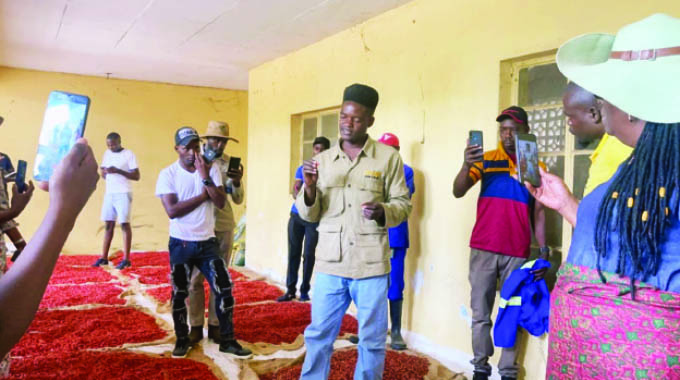
Richard Muponde-Zimpapers Politics Hub
SINCE assuming office in 2017, President Mnangagwa has actively worked to create a conducive environment for youth entrepreneurship to ensure the younger generation contribute towards the overall development of the country.
The need to empower youths is part of the President’s administration’s Vision 2030 whose thrust is to transform the country into an Upper- Middle-Income society.
This vision is encapsulated in the philosophy of “Nyika Inovakwa ne Vene wayo,” which emphasises local ownership and responsibility in national development.
By fostering an inclusive economic framework, President Mnangagwa has encouraged young people to engage in various sectors, particularly in agriculture, where they have excelled in wheat, tobacco and horticulture production.
Recognising the challenges posed by drug and substance abuse among the youth, President Mnangagwa’s Second Republic has taken steps to discourage these vices.
By promoting entrepreneurship and providing opportunities for economic engagement, the Second Republic aims to redirect the youth’s focus towards productive activities.
This approach contributes to national security by fostering a more engaged and economically stable youth population.
Empowering the youths is crucial for economic development and national security. A vibrant youth sector can drive innovation, create jobs and stimulate economic growth.
In investing in their potential, Zimbabwe can harness the energy and creativity of its young population to build a more resilient economy. This empowerment aligns with the Government’s broader goals of achieving sustainable development and social cohesion.
Zimbabwean youths have a unique opportunity to leverage on President Mnangagwa’s support for entrepreneurship. By embracing this clarion call, they can develop their skills, innovate, and create employment opportunities for themselves and others.
Many young entrepreneurs have already begun to take initiative, establishing businesses that contribute to the economy and promote social cohesion.
This proactive approach not only benefits the individuals involved, but also strengthens the community and the nation as a whole.
President Mnangagwa’s vision has found takers who have grown from humble beginnings to become notable entrepreneurs in various economic sectors.
One of them 26-year-old Morris Uchiri, the founder of Dendere Agro Pvt Ltd, a young entrepreneur and chilli farmer from Kadoma.
Uchiri, who started his Agro Company when he was 21-years-old, five years ago, grew up witnessing his family struggle to make ends meet through farming.
This fuelled his passion to revolutionise farming practices and create a sustainable future.
The young farmer and entrepreneur’s motivation stems from the desire to empower farmers, especially youths, to take charge of their livelihoods.
“I believe agriculture can lift communities out of poverty. With dedication and innovation, I have transformed my family garden into a thriving business,” Mr Uchiri said.
“In 2019, I founded Dendere Agro Pvt Ltd with a clear vision to make chilli farming a lucrative venture for Zimbabwean farmers. I began by perfecting and implementing new ideas, gradually expanding my operations.
“Today, Dendere Agro employs over 20 people and partners with 1 500 farmers. We export chillies to the regional market and we have introduced irrigation schemes, enhancing productivity.”
He said the company had encountered a number of challenges including operational costs and exporting difficulties and financing constraints for farmers with the middlemen cutting into their profits.
“My encouragement to fellow youths is to take ownership of their future. Agriculture offers immense opportunities. Embrace innovation, seek knowledge, and persevere. Together, we can revolutionise Zimbabwe’s agricultural landscape,” said the youthful entrepreneur.
He, however, called on the Government to provide subsidies to propel the chilli farming industry forward.
“I urge the Government to streamline the export processes and reduce bureaucracy and also offer training programmes for farmers. We need assistance to establish market linkages for local producers,” he said.
“The potential for chilli farming in Zimbabwe is vast. With collective effort, I envisioned increased export volumes as well as improved farmer livelihoods.
“Enhanced food security is our goal and for Dendere Agro becoming a leading global chilli producer. Join me in shaping the future of Zimbabwean agriculture. “
To further support youth entrepreneurship, the Government needs to enhance access to financial resources, provide training programmes, and create mentorship opportunities.
Establishing partnerships with private sector players can also facilitate knowledge transfer and resource sharing, enabling young entrepreneurs to thrive.
Additionally, promoting policies that reduce bureaucratic hurdles for starting and running businesses will encourage more youths to participate in the economy.
To achieve the ambitious goals, set out in Vision 2030, Zimbabwe must fully tap into its vast youth base. This involves creating an ecosystem that nurtures innovation, supports entrepreneurship, and addresses the challenges faced by young people.
Through fostering a culture of entrepreneurship and providing the necessary resources and support, Zimbabwe can harness the potential of its youths to drive economic prosperity and build a brighter future for all.



 Online Reporter