admin
admin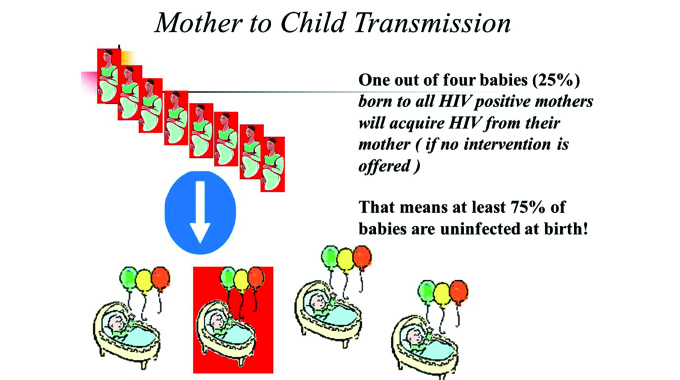
Loice Vavi Health Matters
Introduction
The elimination of mother to child transmission of HIV is a public health goal.
Millennium Development Goals 4,5 and 6 has played a crucial role in PMTCT and ensuring increased maternal child survival.
Women living with HIV and want to conceive should start HIV treatment before they become pregnant to prevent antepartum, intrapartum and postpartum transmission of HIV and it also protect the women’s health.
HIV positive mothers can transmit HIV to their babies at any time, during pregnancy, childbirth or breast feeding however, this does not mean one can not have children because treatment with combination of HIV drugs can prevent transmission of HIV to the baby.
How mother-to –child transmission can occur?
- DURING PREGNANCY— the foetus is infected with HIV through the mother’s blood crossing the placenta.
- DURING DELIVERY OR CHILD BIRTH — the baby is infected with HIV through the mother’s cervical secretions or blood.
- DURING BREASTFEEDING — the baby is infected through mother’s breast milk or blood during breastfeeding.
Factors that increases the risk of mother to child transmission of HIV
- Maternal or infant co-infections for example, sexual transmitted infections, tuberculosis, mastitis, high viral load, low CD4 Cell Count in the mother and oral candidiasis in the infant.
- Maternal Nutrition Status —Advanced maternal disease, immuno-suppression and malnutrition.
- Defaulting HIV treatment.
4.Genetics factors such as fetal gender and HLA (Human leucocyte antigen) these are proteins found on most cells in the body they are inherited as a unique set from parents and they regulate immune system.
- Multiple sex partners during pregnancy.
- Illicit drug use during pregnancy.
- Infant feeding practices especially mixed feeding
Prenatal and antenatal care
It is important for women living with HIV to seek prenatal care and antenatal care.
This care is provided by obstetricians and midwives.
During this time women are provided with information to make informed decisions about planning pregnancy, management during pregnancy, delivery and after delivery to prevent mother-to-child transmission of HIV.
Four pillars of PMTCT
- Primary prevention of HIV among women of child bearing age.
- Prevention of unplanned pregnancies among HIV infected women.
- Prevention of HIV transmission during pregnancy and or breastfeeding.
- Provision of appropriate treatment and care to women living with HIV their children and families.
For more information contact, [email protected] or 0772224231



 Online Reporter