admin
admin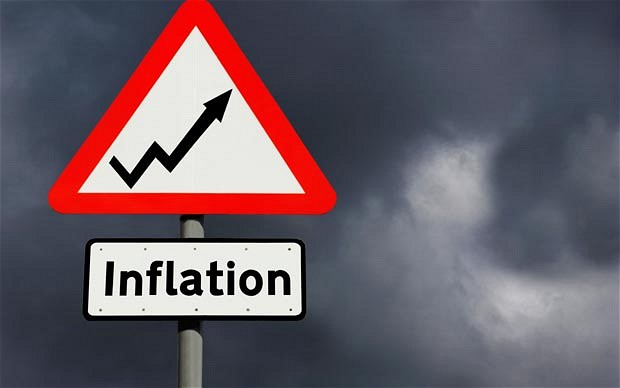
ZIMBABWE’s annual inflation for October gained 0.37 percentage points to close the month at -0.95 percent from -1.33 percent in September as prices of some basic commodities started creeping up.
Early this month listed companies such as Econet Wireless and retailer OK Zimbabwe, complained over delays in making foreign payments to external suppliers on the back of cash shortages.
This situation, coupled with import restrictions, started to impact the supply of products and resulted in some price for commodities such as cooking oil increasing.
Latest figures from the Zimbabwe National Statistics Agency (Zimstat) show gains were
pushed by an increase in prices of food and non-alcoholic beverages as most prices started creeping up.
Zimstat said price hikes were also a result of retailers taking advantage of “forced consumer purchases in return for cashback facilities” as well as a rise in furniture and household equipment prices.
“Year-on-year food and non-alcoholic beverages inflation prone to transitory shocks stood at -2.03 percent while the non-food inflation rate was -0.45 percent,” it said.
Annual inflation stood at -2.19 percent in January but is expected to close December in the positive, spurred by recent price increases following the removal of certain goods on open general import and the upward pressure on food items due to a poor harvest as a result of drought.
Month-on-month food and non-alcoholic beverages inflation rate stood at 0.40 percent in October 2016, gaining 0.46 percentage points on September’s -0.06 percent.
On the other hand, month-on-month non-food inflation rate stood at -0.05 percent gaining 0.29 percentage points on the September 2016 rate of -0.34 percent.
The consumer price index for the month ending October 2016 stood at 96.10, compared to 96.01 in September 2016 and 97.02 in October 2015.
Preliminary growth projections for 2017 have been pegged at 4,8 percent.
Treasury says the 2017 growth projection is anchored on the following assumptions: normal to above normal rainfall pattern supporting a favourable agricultural season; improved agricultural financing; incentives for exporters; moderate improvement in international commodity prices as well as an improved investment environment benefiting from the ongoing Ease of Doing Business Reforms.
Also seen as contributing to the growth was the successful re-engagement with International Financial Institutions (IFIs) and positive gains from the various facilities for the productive sectors supported by implementation of SI 64 of 2016, which seeks to provide an even playing field for industries from unfair competition posed by some imports. – Wires/Business Reporter



 Online Reporter