Online Reporter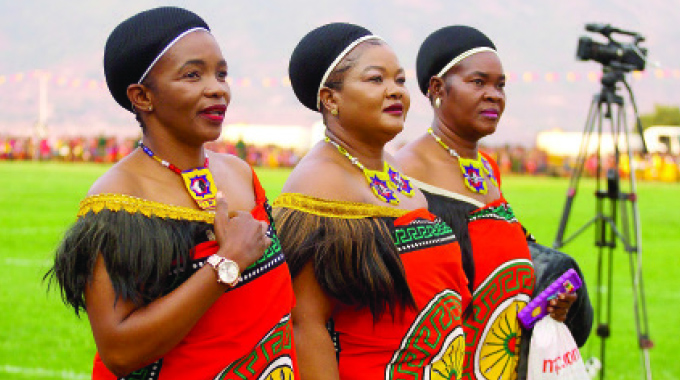
Langalakhe Mabena, Zimpapers Arts and Entertainment Hub
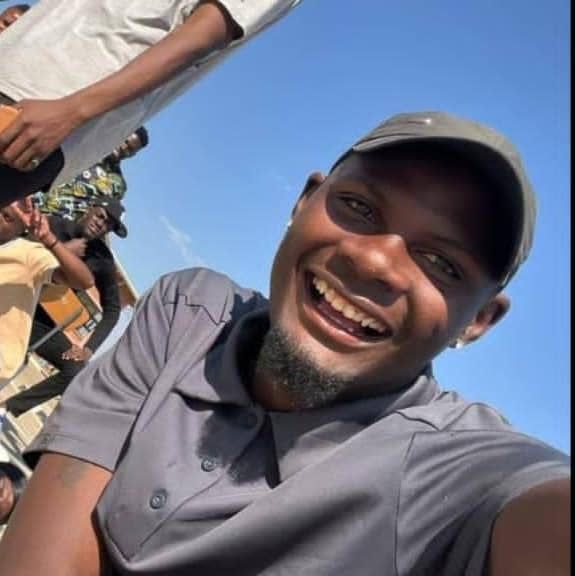
CELEBRATED filmmaker Prince Sivalo Mahlangu, was among the revellers who attended this year’s eight-day Umhlanga Reed Dance Festival in the Kingdom of Eswatini.
The cultural showcase, renowned for its vibrancy and heritage preservation, ended on September 8 at His Majesty King Mswati III’s Royal Residence in Ludzidzini, Lobamba.
Mahlangu formed part of the media team tasked with covering the festival, but he went a step further, seizing the moment to document not only the colourful ceremony, but also the culture and cuisines of the Swazi people for his acclaimed platform, Magriza Made Me Cook.
Speaking to Sunday Life on his return, Mahlangu reflected on his experience, sharing insights into the traditions, flavours and hospitality that define Eswatini.
Q: How was your experience at the Umhlanga Reed Dance Festival?
A: My experience was truly an eye-opening and deeply enriching one. It was a privilege to immerse myself in the vibrant culture of Eswatini and witness first-hand, the profound beauty and significance of the event.
Q. Please tell us more about the event.
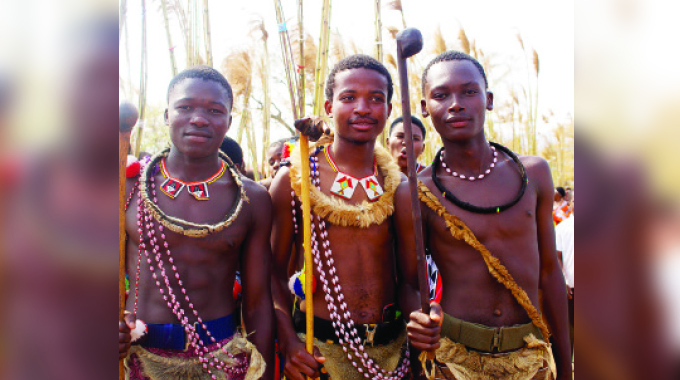
A. The festival highlights the preservation of cultural values, especially by teaching young women social values and preparing them for womanhood. It also showcases Eswatini’s rich heritage to visitors from around the world, promoting greater appreciation of African traditions.
Q: Documenting such a festival is a rare privilege. How did you come to be part of it?
A: Documenting this iconic festival has always been a personal dream of mine, so I made sure to apply for media accreditation as soon as the window opened. I was honoured to be selected as one of the social media content creators entrusted with covering the event. I was in great company too, working alongside talented creatives such as
South Africa’s Popi Sibiya, Eswatini’s Luleka Mdluli and the gifted photographer, Simenzelweyinkosi Vilane.
Q: Were you able to achieve what you had set out to do by being part of the festival?
A: The primary purpose of my trip was to create an in-depth documentary of the cultural festival, chronicling the entire eight-day process of the event.
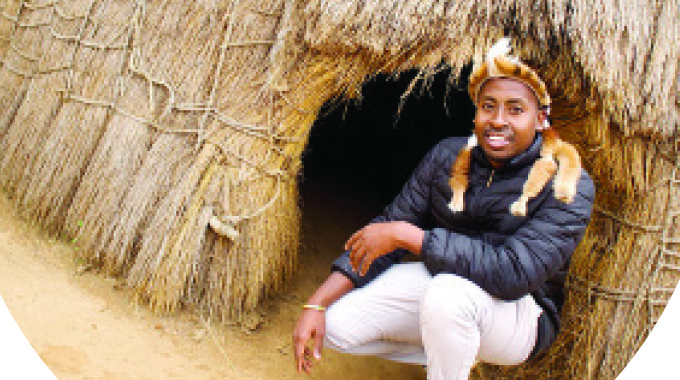
My focus was particularly on the final two days, which are the most significant and were attended by prominent figures such as His Royal Highness King Mswati III, former President of the Republic of South Africa Jacob Zuma and the King of the Zulu Kingdom, Misuzulu kaZwelithini.
In addition to the main documentary, I successfully completed a complementary project, which is a food documentary on Eswatini’s diverse and culturally significant recipes. The project explored the importance of these traditional dishes in preserving the nation’s heritage and daily life. I’m pleased to say that I achieved all the goals I had set for this trip.
Q: From your experience, did you notice any cultural similarities between Eswatini and Zimbabwe?
A: While there are some similarities, the Kingdom of Eswatini stands out for its steadfast commitment to integrating culture into the fabric of everyday life. A notable example is their cultural regalia, which is not reserved for special occasions, but is worn as a matter of daily practice by many.
Throughout most towns, one can find dedicated spaces created to preserve the country’s diverse culture, such as the Mantenga Cultural Village located in the Ezulwini Valley. As if that is not enough, the siSwati language is spoken widely in every establishment across the country, reinforcing its central role in society.
From a culinary perspective, there are strong parallels with Zimbabwean food, though with some unique distinctions. Maize remains the staple crop in both countries. A beloved Swati dish, Isinkwa Sombila (fresh corn bread), is almost identical to our own Isinkwa Somfahlwa, a common dish in Zimbabwe.
Q: Why do you think it is important for Africans to cherish and celebrate their culture through festivals like the Umhlanga?
A: Cultural festivals like the Umhlanga are vital platforms for the practical preservation of our heritage. By celebrating such events, we as black people have the opportunity to reflect on the beauty and resilience of our diverse cultures and traditions that have helped us withstand the test of time.
These festivals do more than just showcase traditions, they also embody and transmit important cultural values and beliefs to the next generation, ensuring that our rich legacy is not lost. It is a powerful way to honour our past, define our present and build a strong future.