Online Reporter
After the conquest of King Lobengula, Cecil John Rhodes decided to prevent any future revival of the Ndebele monarchy. Princes Mpezeni, Njube and Nguboyenja were identified as potential threats.
In 1893, Rhodes facilitated the forced exile of the young princes to the Eastern Cape, South Africa. Prince Nguboyenja was the first black person in Southern Rhodesia to study law and qualify as a lawyer. Upon completing his legal studies in Cape Town, he was barred from practising law or furthering his studies in London to become a barrister.
It is said that at some point, Prince Nguboyenja was made to sit behind a curtain and he overheard a trusted senior Khumalo chief praising the colonial system of Government and shunning the Ndebele monarchy.
The incident was stage managed to deliberately break and frustrate him.
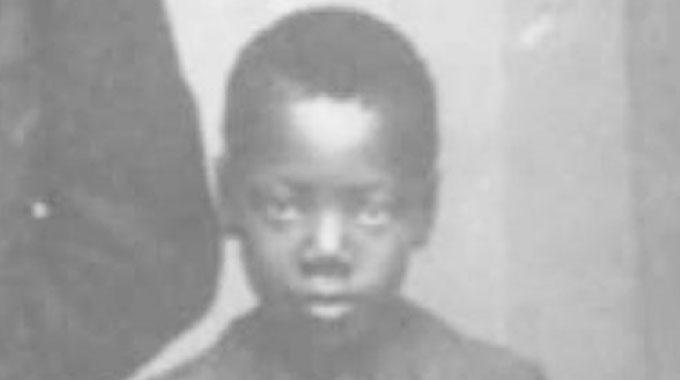
This incident, compounded by his dim career prospects drove him to live a secluded life. He turned to alcohol and suffered a severe mental breakdown. He was cut off from African society and politics in Bulawayo. He lived like a destitute till his death.
When Prince Nguboyenja died, he was buried close to his grandfather King Mzilikazi. During his burial there were rain showers.
To the shock of many, two large rainbows emerged. One over King Mzilikazi’s burial site and a smaller one over his grave. (Bantu Mirror: 21 June 1944).
The death of Prince Nguboyenja meant that Prince Sidojiwe was the last surviving heir of King Lobengula. Prince Sidojiwe later died in 1957.
Terrence Ranger in his book The African Voice in Southern Rhodesia says: “. . . had Nguboyenja been allowed to practice law as a career, he would have become the first black barrister in Southern Rhodesia fifty years before Herbert Chitepo.”
A township in Bulawayo is named after Prince Nguboyenja.
The legal fraternity in Zimbabwe must consider bestowing a special honour to Prince Nguboyenja as the first black person to qualify to practice law in Southern Rhodesia.