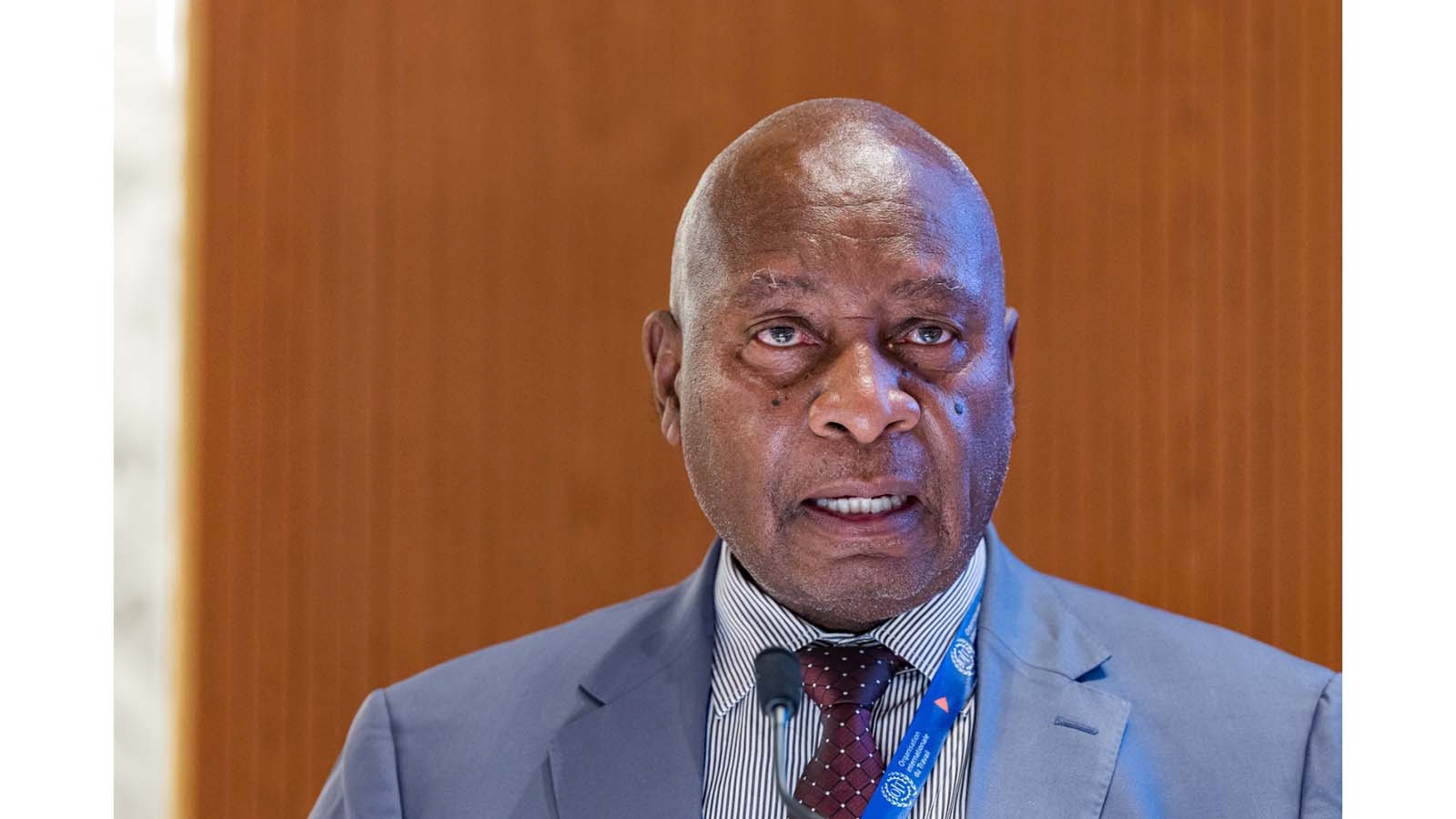
Oliver Kazunga
Senior Reporter
EMPLOYERS must prioritise workplace wellness, mental health and occupational safety as these have become critical drivers of productivity, economic transformation and the attainment of Vision 2030, a Cabinet Minister has said.
Speaking at the inaugural National Workers Wellness Summit in Harare on Thursday, Public Service, Labour and Social Welfare Minister Edgar Moyo said Zimbabwe’s ambition to attain upper-middle-income status hinges on a healthy, productive and resilient workforce.
“As Zimbabwe advances towards becoming an upper-middle-income economy, we must recognise that sustainable development cannot be achieved without healthy, productive, motivated and resilient people,” he said.
Minister Moyo said the summit came at a crucial time as the country intensifies its focus on human capital development, workforce productivity and inclusive economic transformation under Vision 2030 and the National Development Strategy 2 (NDS2).
“This initiative comes at a critical time as Zimbabwe continues to strengthen its focus on human capital development, workforce productivity, and inclusive economic transformation in line with Vision 2030 and the National Development Strategy 2 (NDS2).
“The participation of Government, business, organised labour, healthcare professionals, development partners and civil society reflects a shared understanding that employee wellbeing is central to sustainable economic growth, institutional resilience and national productivity,” he said.
The summit, held under the theme “Human Capital Governance and Workforce Wellness: Advancing Productivity and Inclusion for Sustainable Growth,” brought together key stakeholders from Government, business, labour and the health sector.
Minister Moyo said human capital development remains at the core of Zimbabwe’s economic transformation agenda under NDS2, describing it as a key driver of innovation, competitiveness and social stability.
He noted that workplace wellness and mental health are no longer peripheral issues, but central to organisational performance and economic sustainability.
“Today, workplace wellness, mental health, occupational safety and psychosocial wellbeing are no longer peripheral concerns,” he said.
“They are now central to economic sustainability and organisational performance.
He warned that rising cases of burnout, workplace stress, absenteeism, occupational injuries and psychosocial risks are negatively affecting productivity, innovation and employee engagement.
“Across the world, organisations are recognising that burnout, workplace stress, absenteeism, occupational injuries, and psychosocial risks negatively affect productivity, innovation and employee engagement.”
The Government has recently raised concern over the growing impact of these challenges on economic performance, prompting renewed efforts to integrate employee wellness into national development planning.