Business Reporter
Construction giant Masimba Holdings has reported a 13 percent decline in revenue to US$25,4 million for the half-year ended June 30, 2026, down from US$29,2 million in 2025, hit by funding bottlenecks and delayed implementation of public sector infrastructure projects.
Profit after tax fell 10 percent to US$2,7 million, compared to US$3 million recorded in the prior period.
Management attributed the top-line contraction primarily to slower execution of State-funded projects, where irregular funding cycles hampered progress.
However, private sector contracts — particularly in the mining industry — and key infrastructure completions helped cushion profitability.
Despite persistent liquidity constraints and cash collection hurdles, Masimba’s capital base expanded, with net assets growing to US$38 million from US$36,4 million as of December 31, 2025.
The group enters the second half of the year anchored by an estimated US$320 million secured order book, providing significant revenue visibility.
Operational highlights during the period included the successful completion of multiple commercial contracts in the mining sector.
Under public infrastructure, the group delivered 16 kilometres of the Kezi–Maphisa Road project. In bridge construction works, the group officially opened Chevron Bridge to traffic.
To maintain operational capacity and support project delivery, Masimba deployed US$2,6 million in capital expenditure, targeting fleet reliability and operational efficiency.
Net working capital increased to US$22,8 million, up from US$19,2 million at the end of 2025.
Management highlighted receivables conversion and disciplined cash collection as primary operational priorities to manage second-half liquidity requirements.
The financial results come against a volatile global economic backdrop, where geopolitical conflicts in the Middle East and Ukraine exerted upward pressure on fuel prices, supply chain logistics and material inputs.
On the domestic front, relative exchange rate stability and moderating inflation provided a more predictable pricing environment, enabling better contract execution despite tight money supply conditions.
Going forward, the group said it will maintain a dual strategy of private sector diversification alongside disciplined bidding for national infrastructure projects.
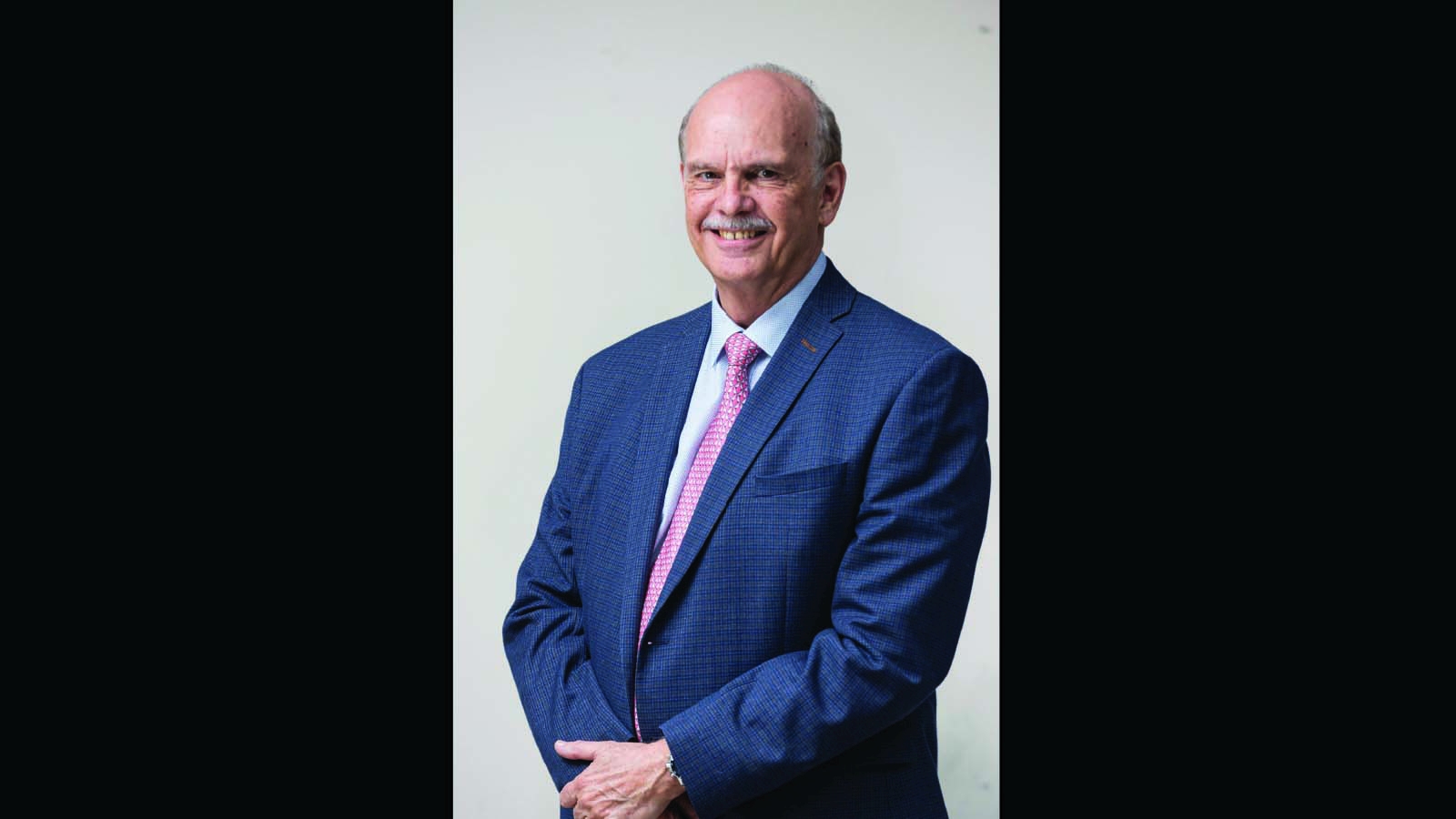
“In addition, the group is making significant progress in securing business opportunities in the region,” said chairman Mr Gregory Sebborn.
“Our immediate focus is on delivering awarded work efficiently and profitably, supported by coordinated mobilisation, appropriate project funding and consistent site productivity.
“Project readiness, production performance, margins and cash collection will guide management’s deployment of resources and allocation of capital.”
Mr Sebborn said the approach is intended to strengthen the contribution of the order book to both profitability and cash flow.
At the time of reporting, the Government had developed funding frameworks for the rehabilitation of the Harare–Beitbridge and Bulawayo–Victoria Falls roads, providing a basis for increased public sector activity in the second half.
Newly awarded private sector contracts further broaden the group’s sources of activity and support a more balanced revenue profile.
“The board expects an improved second-half performance as existing projects advance and new contracts begin to contribute.
“Our objective remains to deliver profitable growth supported by stronger cash generation, while maintaining the operational capacity and financial discipline necessary to create sustainable shareholder value,” said Mr Sebborn.