Online Reporter
Amos Mpofu recently in Tsholotsho
THE private sector is ready to work closely with farmers at all levels, including providing necessary inputs and resources aligned with the Government’s efforts to achieve national food security and global Sustainable Development Goals (SDGs).
This was affirmed on Tuesday at Tada Hall in Tsholotsho, Matabeleland North Province, during the second Annual Good Seed and Food Festival, which attracted hundreds of farmers, seed suppliers, agro-food processors, community organisations and Government officials.
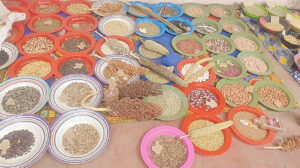
The festival is part of a broader national initiative to revive indigenous crops and food systems. Held under the theme: “Nurturing Our Future, Reviving Our Heritage”, the event encouraged the cultivation and consumption of traditional crops through knowledge sharing, collaboration and market development.
A wide range of exhibitors showcased their products and services, including seed companies such as SeedCo, Zadzamatura, K2, and the Community Technology Development Organisation (CTDO) — a pioneer in community seed banking.
Agro-food processors like Buntu Foods and Ingwebu, as well as input provider FarmShop, also took part.
Their message was clear: the private sector stands ready to partner with farmers, including through contract farming, in a bid to strengthen food production systems and support Government-driven agricultural models.
Speaking at the event, Ms Charlene Chisvo, one of the festival co-ordinators, emphasised the critical role of the private sector in linking farmers and consumers.
“The private sector is crucial in this whole process. Looking at the entire value chain, we ask what the limiting factors are for people to access or consume our traditional foods regularly. Issues like cost and seed availability come up. That’s where the private sector steps in — to address these challenges,” she said.
Ms Chisvo highlighted that recent innovations, such as threshers designed for small grains, show the sector’s tangible contribution to improving production.
“They provide the machinery, the capital, and the support under agreed conditions, which is a significant contribution to the sustainability of our food systems,” she added.
As one of the food display judges, Ms Chisvo also praised the creativity and revival of interest in local cuisines.
“The idea behind this festival is to celebrate Zimbabwean food — not just using terms like ‘traditional’ or ‘indigenous’ — but simply our food. From what I judged, the ideas coming out are amazing,” she said.
“People are beginning to feel that our foods are special, diverse and rich. Bit by bit, we’re seeing a return to appreciating how valuable our own food really is.”
Mr Trust Marumisa, who was the guest of honour and is food operations manager at Buntu Foods, delivered a keynote address that resonated with the audience. He underscored the central role of traditional seeds in preserving the nation’s food systems and cultural identity.
“This festival is a testament to the importance of preserving our cultural identity and promoting sustainable agriculture,” said Mr Marumisa.
“Our traditional seeds are the backbone of our food systems. Passed down through generations, they are essential for our food security and sovereignty. These seeds are not just nutritious — they symbolise our resilience and heritage.”
He went on to link traditional foods to Zimbabwean values and community spirit.
“These foods bring us together. Their preparation and sharing are integral parts of our cultural practices. As we celebrate this festival, let’s recognise the farmers who tirelessly conserve and promote our traditional seeds and foods,” said Mr Marumisa.
He acknowledged the challenges threatening traditional food systems, such as climate change, urbanisation and biodiversity loss, but urged continued collaboration between stakeholders.
“I encourage everyone to support local farmers by buying and consuming traditional foods. Let’s promote our seeds and cuisine not only to preserve our culture but also to foster sustainable agriculture and support our local economy,” he said.
Local agricultural authorities also applauded the event’s growing popularity. Mrs Rachel Sibanda, district agricultural business advisor for Tsholotsho, expressed her satisfaction with the increased number of exhibitors compared to the inaugural event.
“We began this festival last year with the support of Masap. Then, we had about 75 farmers. This year, that number has nearly tripled, with 200 farmers exhibiting various seeds and cooked foods,” she said.
“The increase shows our farmers’ growing passion and preparedness. As we continue to promote this event from ward to district level and beyond, we are building a stronger, more connected farming community.”