admin
admin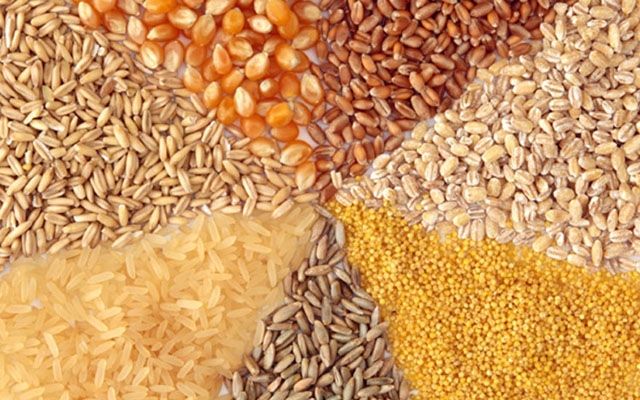
Ashton Mutyavaviri
LOCAL is lekker! This was the message the Food and Agriculture Organisation (FAO) delivered to policy makers recently when it appealed to them to promote the adoption of locally adapted crops, which include traditional and other neglected species to boost nutrition security.
FAO said locally adapted crops had the capacity to bring diet diversification to citizens while enhancing nutritional quality and diversity of diets.
This came out during a presentation at a workshop held workshop in Harare recently. FAO Zimbabwe nutrition specialist Mrs Patience Hoto said diet diversification and agro-biodiversity were critical components of sustainable agriculture and ensuring food and nutrition security for future generations.
She also urged academic institutions to raise awareness and educate stakeholders about the importance of diet diversification and agro-biodiversity.
“Through awareness campaigns and training programmes, institutions can promote the adoption of sustainable agricultural practices and the consumption of diverse diets among farmers, consumers, and policy makers,” said Mrs Hoto.
She defined diet diversification as the practice of consuming a wide variety of foods from different food groups, which include grains, roots and tubers, pulses, nuts and seeds, dairy, meat, poultry, eggs and fish.
“Dietary diversity is essential for achieving balanced nutrition, combating malnutrition, and promoting optimal health. In Africa, where malnutrition is a prevalent issue, diet diversification can play a significant role in addressing nutrient deficiencies and improving overall well-being,” she explained.
Mrs Hoto also spoke on agro-biodiversity, which she referred to as the variety and variability of plants, animals and microorganisms that are necessary for sustaining key functions of the agricultural eco-systems.
“It encompasses traditional crops, indigenous livestock breeds and wild food sources. Farming systems, which maintain and use agro-biodiversity are crucial for ensuring food security, as they provide a resilient and sustainable foundation for agriculture especially for developing countries,” she observed.
Mrs Hoto challenged policymakers to facilitate market access and promote the consumption of diverse and nutritious foods through the development of infrastructure and value chains that enable the distribution and marketing of local and indigenous food products.
She advised policymakers to provide incentives for farmers to cultivate diverse crops, for example, through the provision of subsidies or financial packages, farmers are motivated to shift away from monoculture practices and adopt more diversified farming systems.
Additionally, Mrs Hoto highlighted the current challenges on diversification and agro-biodiversity in Africa, which include lack of access to markets and infrastructure for farmers to promote and sell diverse agricultural products. She explained that the dominance of monoculture farming practices, which focus on staple crops limited the availability and consumption of diverse and nutritious foods.
“In promoting and preserving agro-biodiversity, crop resilience and adaptation to climate change is enhanced. Ultimately, this improves nutrition through incorporating nutrient-rich traditional crops and indigenous, neglected and underutilised food sources,” she said.
Current diets mainly constitute and are heavily dependent on staple crops like maize, rice and wheat, said Mrs Hoto.
She emphasised the need to strengthen the local food system by increasing its adaptability and reducing its vulnerability to shocks and disturbances.



 Online Reporter