Chronicle Editor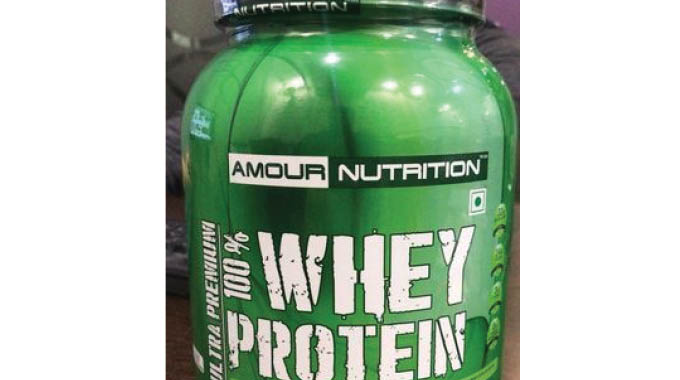
Simon Gama
If you want to get bigger using the Simon Gama programme, you’ve got to do two things: Lift bigger and eat bigger. Not exactly brain surgery, but that doesn’t mean it’s easy.
When it comes to fuelling those bigger workouts with extra nutrition, you may find it difficult to shovel in all the calories you need, particularly all those grammes of protein.
However, it’s more than worth the effort. All other things being equal, the higher your protein intake, the greater and faster your gains.
The goal is to make building to those high levels as easy on yourself as possible, while understanding that you don’t have to go nuts when you can’t consume all you want every day.
Although one of the fundamental dietary guidelines we stress is consistency, in this particular case, the goal here is to help you climb on board the growth train by having you experience the benefits of strategic increases in protein intake.
It’s called “protein cycling,” and it’s all about slamming in the good stuff in effective ways.
First, you need a plan, and that’s where we come in. This article will teach you how to use ultra-high protein diets to attain the most massive and muscular physique possible.
Those great gobbling glory days
Decades ago, we and scores of others built our bodies with the time-tested and proven methods of force-feeding-consuming as much good food and drink as possible.
It was almost like a daily eating-and-drinking marathon, a challenge to see how much quality stuff we could take in during a 24-hour period, and we mean every 24-hour period.
We didn’t consider using drugs when we first got the iron bug nearly 40 years ago, because, among other reasons, synthetic anabolics were just then coming into the market and were barely known in the bodybuilding community.
As for supplements, they were available but not widely used, and their quality couldn’t compare to today’s array of over the counter choices. Contrary to what “expert” doctors and dieticians said at the time, as well as experienced lifters and bodybuilders — insisted that more calories and, especially, more protein were needed to promote serious growth and to aid recovery from the long and heavy training sessions that were popular.
We didn’t need scientific studies to confirm these beliefs, even though science eventually caught up anyway. We could tell with our own eyes and sensations that consistent well-planned hard and heavy training, combined with adequate rest and a nutritive basic diet of whole foods with an emphasis on protein, meant monster mass and strength.
Whether it involved peanut butter sandwiches on whole-grain bread with bananas and milk or what were then referred to as “get big” drinks (plain non-fat powdered milk added to regular milk with some fruits or flavouring thrown in) — it was all about forcing our bodies to grow with nutrition. And grow they did, provided we pushed ourselves at the dinner table the same way we did in the gym.
How much and what kinds of protein should you eat?
One of the things we’ve learned beyond a doubt over the past few years is that pushing protein does in fact promote muscle growth and strength increases. We worked with world class strength athletes and put literally kilograms of lean mass on them in a matter of weeks by doubling their already high protein intake.
These were not, by the way, “special” protein supplements. Although milk proteins were best studied and most often used, other protein sources had similar effects. Over the past several years, as ultra-high protein intakes have become more common, we’ve seen similar cases here in athletes of all calibres. Your protein requirements depend primarily on the volume of training and the carb and total calorie content of your diet.
On a lower-carb — lower-calorie “cutting diet, the amount as well as the percentage of protein in the diet must increase in order to maintain maximum mass and strength.
When gaining mass is the goal, to shoot for one gramme of protein per pounce even this quantity is not much, the rule of thumb has forever been of bodyweight per day.
However, above the level scientists have determined is required to simply maintain nitrogen balance in the average bodybuilder. Individual professionals we talk to regularly as well as bodybuilders around the country who are totally committed to getting as big and strong as possible and who have pushed the envelope on protein consumption up to 1,5g and even 2g per pound have proved to us, as well as to themselves, that such intakes can make an almost unbelievable difference.
Whole solid foods to supplement them at least temporarily could actually be the fastest out to a leaner, more muscular body.
This theory, while extreme — does allude to the importance of supplements. As to what kinds of protein to consume, we continue to recommend a diet based on a variety of whole-food tissue proteinases, fish, turkey, chicken, beef, etecetera — balanced with vegetables, fruits, whole grains and healthy fats, and supplemented with multivitamins and minerals, glutamine, any deficient commercial protein.



 Online Reporter