Theseus Mauruki Shambare in KADOMA
PROVINCES have called for a stronger role in shaping and implementing national land administration reforms, arguing that effective land governance requires greater decentralisation, predictable coordination mechanisms and adequate resources to address challenges affecting communities.
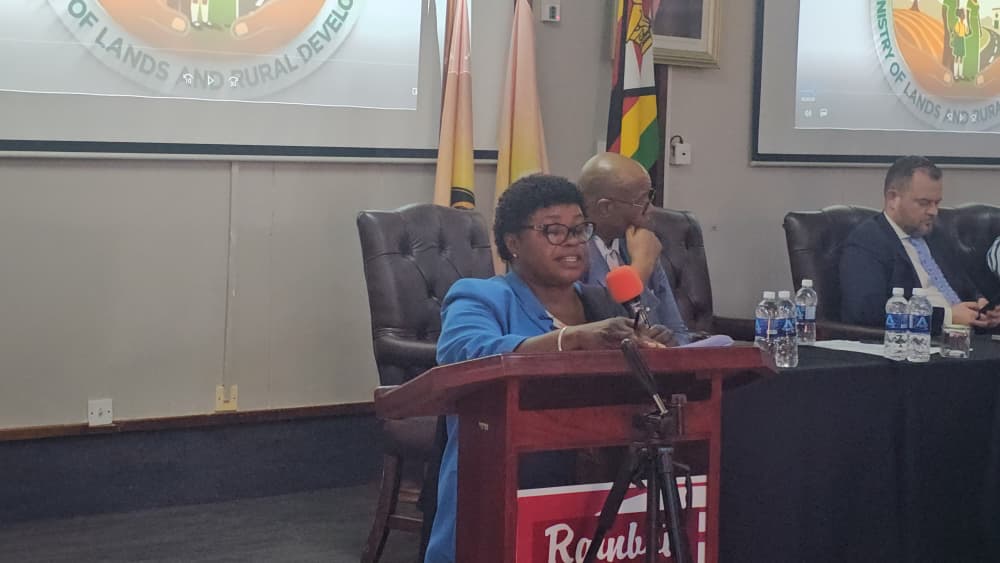
Minister of State for Provincial Affairs and Devolution for Mashonaland West Marian Chombo said provincial authorities should be active partners in identifying development priorities, coordinating interventions, monitoring progress and resolving implementation bottlenecks.
Speaking during the Ministry of Lands and Rural Development’s 2027–2030 strategic planning workshop day one in Kadoma, she said the ministry’s strategic direction should be informed by provincial realities and aligned with national development priorities.
Chombo said provinces continued to encounter challenges relating to unresolved land disputes, incomplete cadastral information, delays in issuing tenure documents, underutilisation of agricultural land, limited access to land information and inadequate technical capacity at provincial and district levels.
“These challenges are not merely administrative inconveniences. They have direct implications for investment, agricultural productivity, employment creation, rural industrialisation and the livelihoods of our people,” she said.
She said the success of the ministry’s reforms would depend on how effectively it worked with provincial and local authorities, traditional leaders, district development and lands committees, relevant government ministries, the private sector and development partners.
Chombo emphasised that devolution should go beyond policy declarations to practical arrangements for planning, budgeting, resource allocation, implementation and accountability.
“Provinces must be active partners in identifying these priorities, coordinating interventions, monitoring progress, and resolving implementation bottlenecks,” she said.
Chombo called for clear provincial coordination structures, measurable targets and adequate technical and financial support, saying secure tenure and effective land utilisation were essential to unlocking economic opportunities in agriculture, mining, tourism and manufacturing.
She also emphasised inclusive access to land-related services and productive opportunities for women, youths, persons with disabilities and other vulnerable groups.
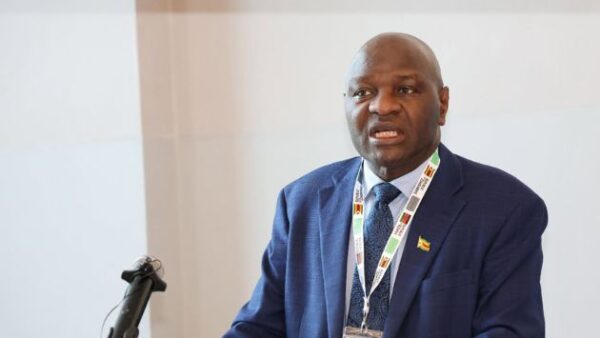
Permanent Secretary Professor Prosper Matondi said the ministry’s reforms should put people at the centre of land governance and rural development.
“Our focus as a Ministry of Lands and Rural Development is to focus on the people,” he said, adding that the goal was to build “one Zimbabwe that should be equal for everyone, that provides justice to everyone”.
The workshop is expected to produce the ministry’s 2027–2030 Strategic Plan, a 2027 Annual Plan and a monitoring and evaluation framework to guide implementation.