Online Reporter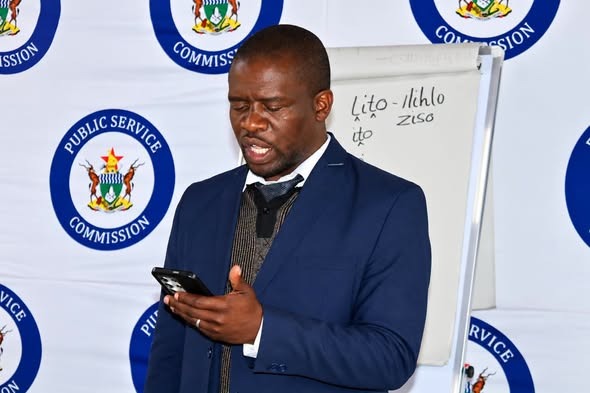
Thupeyo Muleya Beitbridge Bureau
The Public Service Commission (PSC) is conducting a five day Venda Language Orientation Programme in the Guyu area in Matabeleland South Province aimed at improving communication between government workers and local communities.
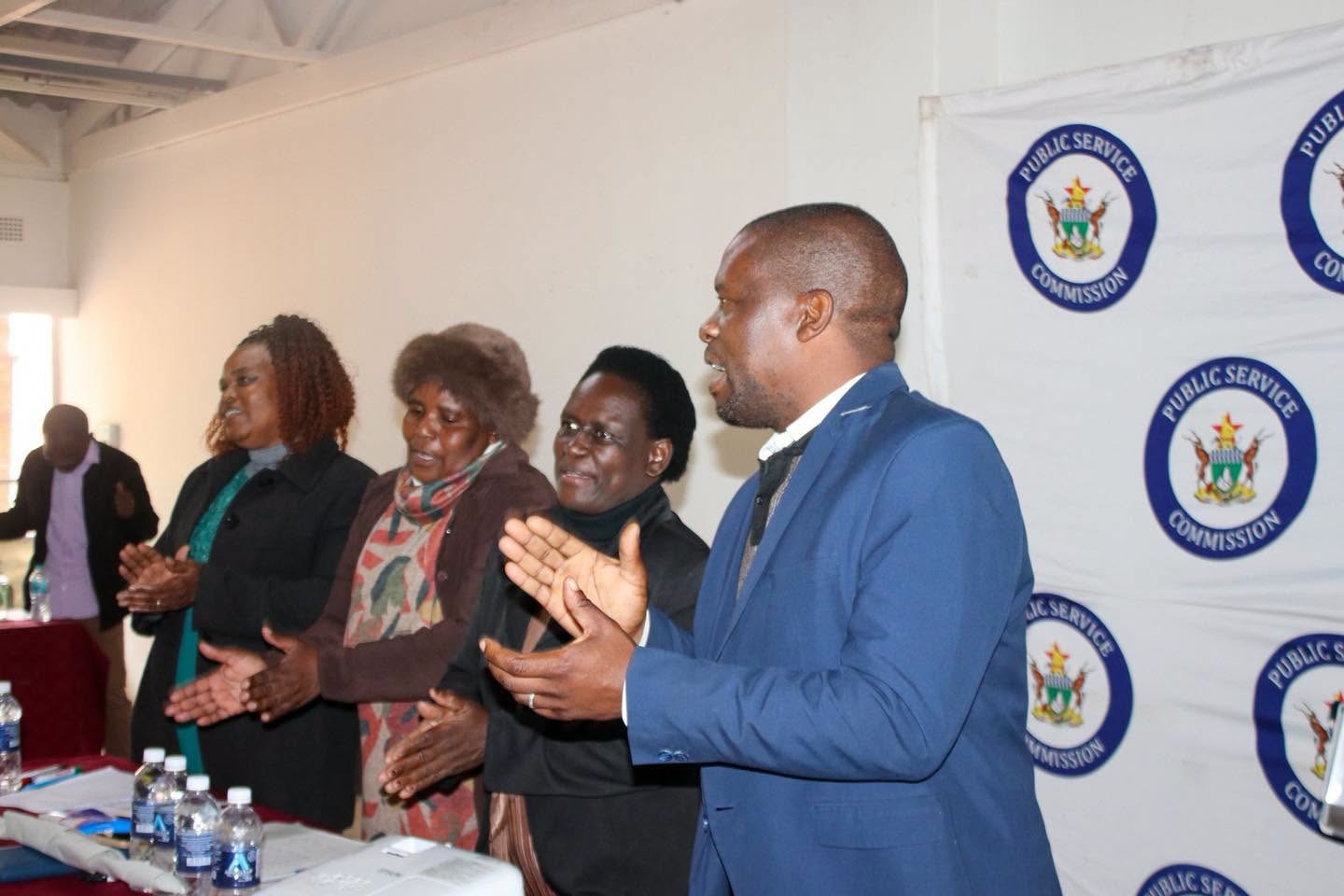
In a statement on Tuesday, the PSC said the programme will run between September 7 and 11. It brings together 56 public servants from various departments who work directly with Venda-speaking communities in the province.
Participants are drawn from the Ministry of Health and Child Care, Ministry of Defence, Ministry of National Housing and Social Amenities, Ministry of Veterans of the Liberation Struggle Affairs, Ministry of Information, Publicity and Broadcasting Services and Public Service Academy trainers. The training is being held at Thuli Campus in Guyu.
The commission said the programme provides an important platform to strengthen communication, promote inclusivity and enhance public service delivery, while fostering appreciation of Zimbabwe’s rich linguistic and cultural diversity.
Matabeleland South has a significant Venda-speaking population, particularly in Beitbridge district. Government has, over the years, been pushing for service delivery in indigenous languages as provided for in the Constitution, which recognises 16 official languages.
The PSC said Day One featured the official opening conducted by Principal Mr Timothy Chingara, representing the General Manager: Training and Development.
It said the training will also help officers to understand local customs and traditions that influence how services are received. This is expected to reduce misunderstandings and improve relations between government institutions and communities.
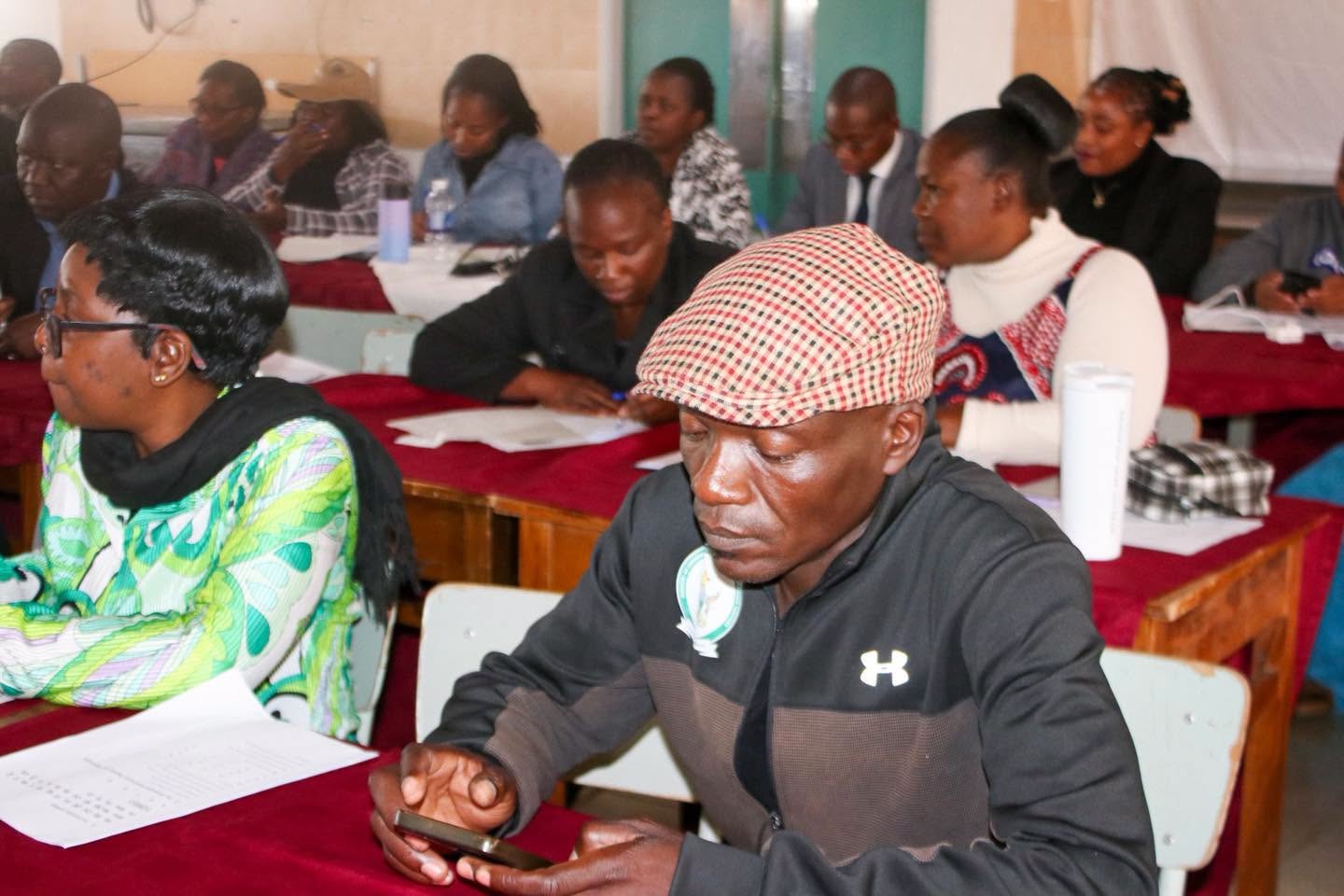
“The goal is to have public servants who are competent and sensitive to the linguistic needs of the people they serve,” said the commission.
In his keynote address, Mr Chingara encouraged participants to appreciate the benefits of learning Venda, including improved communication, stronger community engagement, cultural understanding and inclusive service delivery.
He said language remains a critical tool in bridging the gap between government and citizens.
In addition, he noted that many people in rural areas still struggle to access information and services because they are not delivered in a language they understand.
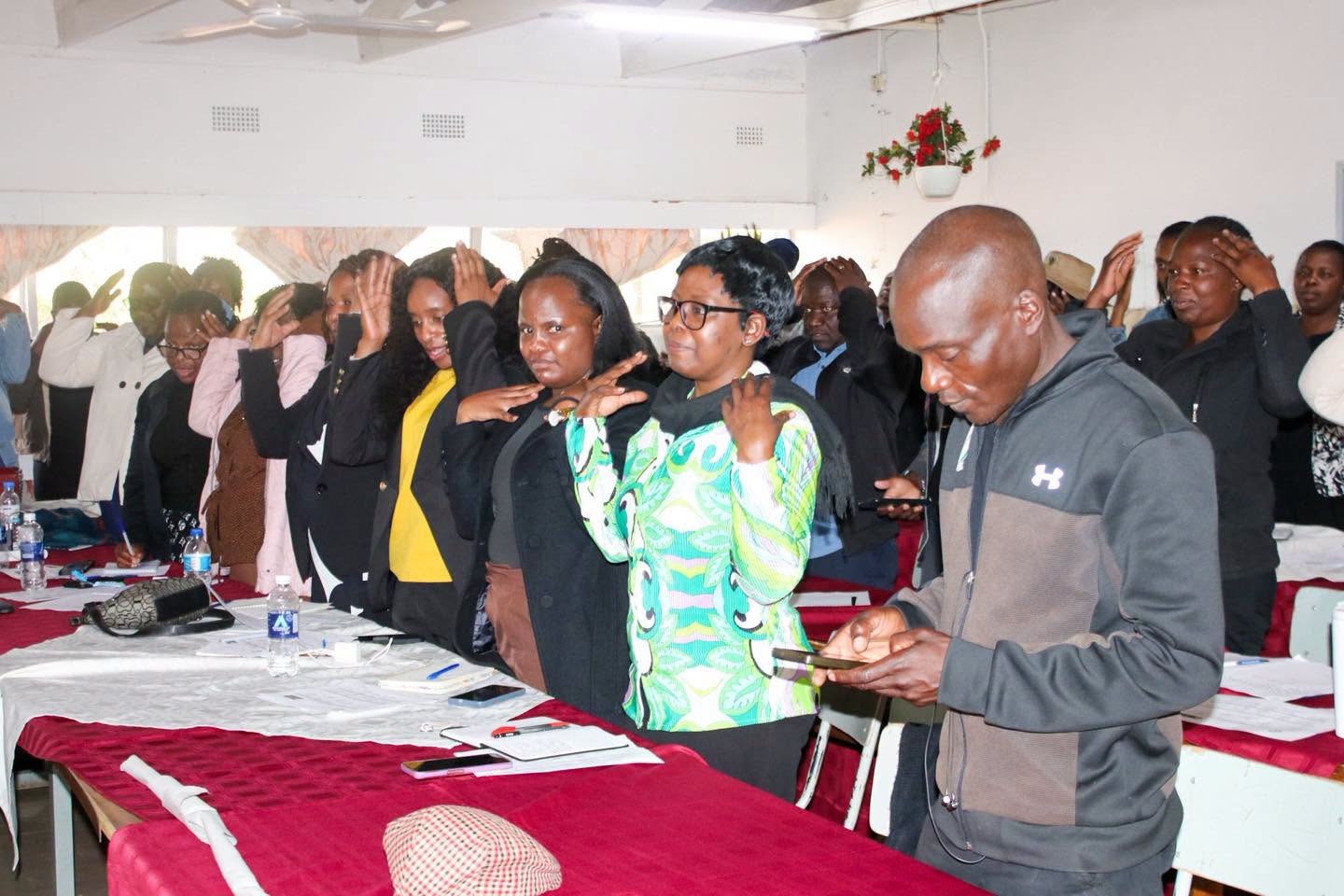
“We believe that when a public officer can greet, explain a procedure or respond to a query in the language of the people, it builds trust and confidence in government,” said Mr Chingara.
“This orientation is not just about learning words. It is about respecting culture and ensuring that no one is left behind.”
He said the programme will cover the History of the Venda people, introduction to Venda language, as well as the Venda Alphabet.
Mr Chingara added that participants will also be taken through basic Venda greetings, commonly used phrases in health, education, agriculture and local governance, and cultural etiquette. Facilitators drawn from the community and language experts will lead the sessions.