malvernmugadzikwa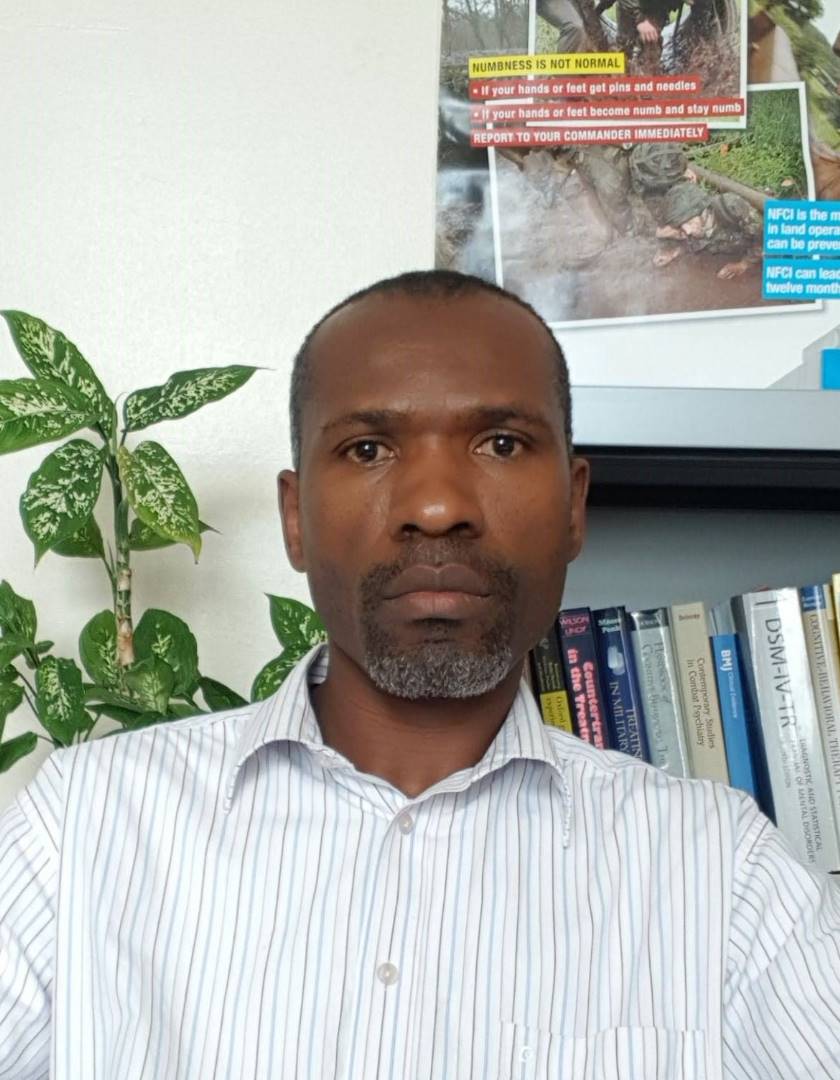
Mertha Mo Nyamande
IN all human activities lie psychological explanations.
This is because psychology is generally the study of all human behaviour — positive or negative. Psychology is about explaining why things happen the way they do. It is different from psychiatry in that it does not necessarily diagnose but assists in the diagnosis of certain behaviours.
There are presentations that psychiatry may struggle to diagnose without the supportive evidence of psychological assessments, but never the other way round.
This series will explore some current and popular events in the criminal and justice spaces that fall under a specialised branch of psychology — forensic psychology.
Forensic psychology focuses on the criminology and victimology aspects. These two work hand in glove. There are very few crimes that have no victims.
We recently heard of Tapiwa Makore Senior and Tafadzwa Shamba being sentenced to death for the murder of a minor. This sentence has been met with mixed reactions from the family and the community.
Some international organisations have criticised the ruling, saying it is illegal and against human rights — the right to life, in particular. But one may raise the issue of the right to life for the victim.
What is, however, missing, from this and most such cases (Jaison Muvevi and Bright Zhantali et cetera) is the psychological perspective that seeks to understand and explain why a human being may do such a thing to another. It is not as simple as the stated pursuit of riches, traditional rituals or satanism. The individual who is driven to engage in such an activity would be of a certain character or personality. This psychological exploration is often neglected.
It is not easy to take a life, especially that of your kith and kin. While that person may appear calm and collected in public, psychology seeks to understand how they think and feel in the privacy of their psyche.
The motive is having an understanding of why they may behave in such a manner and the justification for their behaviours.
As the old adage goes, “We judge ourselves by our intentions, but others judge us by our actions”.
It is easy to condemn an action, but a full understanding of the intention behind it is necessary. Reaching a conclusion without full information is often dangerous and can be equally as damaging as the actions we may be trying to condemn.
When we look at the psychological aspect, we are trying to understand the suspect’s journey through thorough assessment of their intellect, the biological elements with regard to the neurological functions of their brain, and, most importantly, the psychosocial interactions with others, which may make them see fellow beings as less human to warrant elimination.
There are many psycho-pathological explanations for this situation, including simple paranoia in psychotic presentations that may only be present under certain severe conditions.
These may also be explained by psychopathy, where an individual has developed a severe personality disorder that they do not feel any remorse in harming themselves or others. So, all these pathological aspects will need to be explored before we can reach a definitive conclusion that a person is considered “bad or mad”.
Such assessments require specialist and experienced trained personnel.
Reaching irreversible conclusions like sentencing one to death without these considerations is probably “incomplete” justice.
Zimbabwe has only started to train personnel in forensic psychology, though this practice has been going on in other parts of the world for decades.
Such specialised fields of expertise require support from governments so as to improve the information that gets to the public and how they feel about justice delivered.
Commentary on such cases from a psychological perspective is also critical in helping the same public to understand the processes followed.
Focusing on the psychiatric aspect only often means a lot would have been lost. The use of forensic psychology can also assist the investigators in profiling suspects.
It is recommended that for all serious crimes — including sexual offences, armed robberies and homicide — the suspects undergo forensic psychological assessments. Serious consideration also has to be taken for the lives of the victims of those offences. This should not be limited to the immediate victims, but should also extend to the wider community and country.
Mertha Mo Nyamande is a psychotherapist. He can be contacted on: [email protected] or @ www.i-wellbeing.weebly.com



 Online Reporter