Online Reporter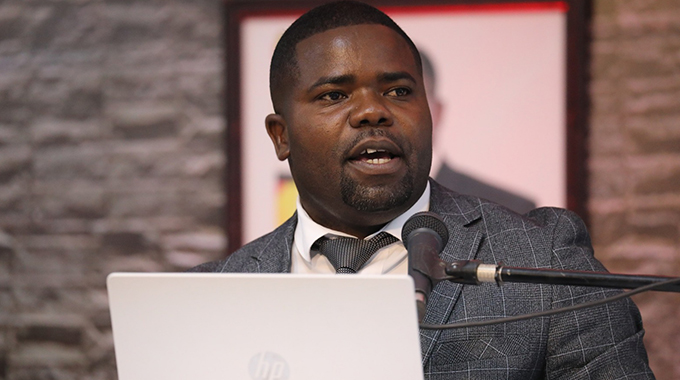
Nqobile Bhebhe, Zimpapers Business Hub
ZIMBABWEANS across the country have pleaded with the Government to increase the circulation of the Zimbabwe Gold (ZWG) currency, which has been roundly commended for its continued stability and restoration of business stakeholder confidence.
A strong domestic currency is regarded as the lifeblood of a sound economy and economists are convinced that Zimbabwe’s monetary authorities are getting it right this time as evidenced by the solid stability and growing demand for the ZWG.
Government has already signalled the intention to gradually de-dollarise the economy and is targeting a return to a domestic mono-currency by 2030.

The national quest for increased local currency circulation is among the top discussions at the ongoing 2026 National Budget consultations in Bulawayo, which are being hosted by the Parliamentary Portfolio Committee on Budget, Finance and Investment Promotion.
In his brief to delegates on outcomes of the pre-budget seminar, Committee chairperson, Mr Lincoln Dliwayo, said participants from across the country have expressed satisfaction with the stability of the local currency, while emphasising the need for measures to make it more accessible across the economy.
Mr Dliwayo said the consultations also touched on the success of monetary and exchange rate reforms, which have been embraced by a diversity of business leaders.
“Some of the areas that were highlighted concerned the reforms and exchange rate stability. The public appreciated the efforts by the Government in ensuring that the local currency, our ZIG, is stable,” he said.

Mr Dliwayo, however, said most participants raised concerns over the limited supply of the ZWG currency in some parts of the country, especially border towns.
“They also echoed the need to ensure that there is an improved and carefully managed injection of ZWG currency in the economy, especially in border towns and other areas where the ZWG is in short supply,” he said.
Mr Dliwayo said that some citizens have expressed concern over the rejection of the ZWG in informal markets and certain localities.
“They also bemoaned the rejection of ZWG by the informal markets, especially in border towns.
“So, the ministry needs to increase support for some fiscal measures that will promote the acceptance of ZWG in those towns,” he added.
While some participants suggested enforcement measures to ensure wider acceptance of the ZWG, Mr Dliwayo said authorities have shown preference for a more persuasive approach.
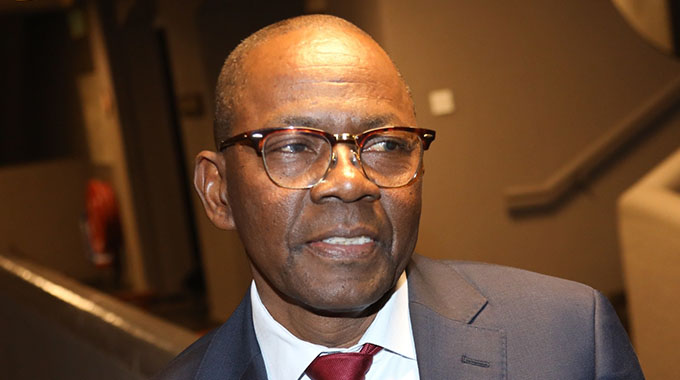
Speaking at the same event, Reserve Bank of Zimbabwe (RBZ) Deputy Governor, Dr Innocent Matshe, said the border towns have traditionally been flooded by foreign currency.
“On the lack of ZWG in border areas, the truth of the matter is with or without the local currency in its current form, the border areas always had a mixture of currencies. For instance the Rand is commonly used in Beitbridge,” he said.
“However, the local currency is being used in its electronic format in all areas including border areas. We have a lot of work to educate citizens on the issue of stability and what ZWG means to them. Progress has been made with our banks and as of July this year, only one bank was issuing ZWG through ATM,” said Dr Matshe.
“But now, 14 banks are issuing ZWG through ATM, meaning we have two banks that are outstanding and we are working with those banks to make sure that all banks make ZiG available in their ATMs.”
He reiterated that the RBZ is not in favour of forced acceptable of the ZWG by the transacting public.
“If you are in business or employed and you receive ZWG, it’s a big mistake to convert that ZWG to US dollars. You will lose value and money, use the ZWG as it is,” said Dr Matshe.
He said the Central Bank continues to fulfil its mandate of promoting a stable macro-economic environment through maintaining price, currency, and exchange rate stability. This role, he said, remains critical in realising Zimbabwe’s national aspiration of attaining an upper middle-income status by 2030.
The journey towards Vision 2030 is guided by the National Development Strategy 2 (NDS2) for the period 2026–2030, which the forthcoming 2026 National Budget seeks to operationalise.
Mr Dliwayo said the participants also highlighted the need to ensure that the resource allocation reflects the grassroots priorities and promotes equitable distribution.
The 2026 National Budget consultations are part of Government’s wider engagement efforts to ensure citizen participation in national economic planning as the country works towards achieving Vision 2030 goals of an upper middle-income economy.