Online Reporter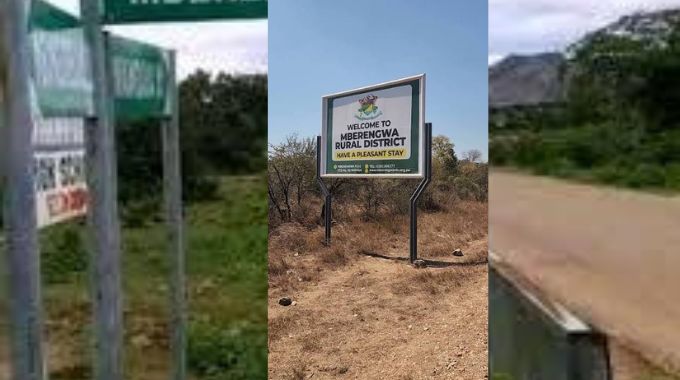
Patrick Chitumba [email protected]
MBERENGWA District in Midlands Province is witnessing significant infrastructure growth as increasing investment drives the expansion of residential, commercial and public service facilities in line with the Second Republic’s Vision 2030.
The district is experiencing a visible transformation, with new shopping malls, fuel service stations, roads and healthcare facilities emerging across the area. The developments are helping to stimulate economic activity, improve service delivery and enhance the quality of life for residents.
Mberengwa District Development Coordinator Mr Vafios Hlabati said the projects highlight the important role public-private partnerships can play in accelerating development and delivering critical infrastructure.
He said public-private partnerships remain a key pillar of the district’s development strategy, with Government continuing to create an environment that encourages private sector participation in infrastructure development.
“The new commercial development is expected to strengthen Mberengwa’s local economy by improving access to services, supporting businesses and creating opportunities for communities as the district pursues its development objectives,” he said.
Mr Hlabati said the Government had successfully created favourable conditions for investment through public-private partnerships, resulting in tangible development outcomes across the district.
He added that the ongoing projects had set a benchmark for future development initiatives.
“This has set a precedent for the standard and pace of development that future generations will, in due course, emulate,” said Mr Hlabati.
Mberengwa Rural District Council chief executive officer Mr Thompson Maeresa said additional development projects were in the pipeline as the district continues to attract investment in line with the Second Republic’s commitment to “leave no one and no place behind”.
“As a local authority we are also working to improve the ease of doing business by reducing operating costs and creating an environment that encourages further private-sector investment,” he said.
Mr Maeresa said the projects are aligned with the Second Republic’s Vision 2030 agenda, which seeks to transform Zimbabwe into an upper-middle-income economy by the end of the decade.
“President Mnangagwa’s ‘Call to Action – No Compromise to Service Delivery’ blueprint requires Rural District Councils and urban local authorities across Zimbabwe to modernise operations, eliminate mismanagement, and meet strict performance standards,” said Mr Maeresa.
He said the local authority would continue implementing projects across various sectors to improve service delivery and fulfil the objectives of the national “call to action” programme.
Residents welcomed the developments, saying they were expanding business opportunities and reducing the need to travel outside the district to access essential goods and services.
“We no longer need to go to Zvishavane to buy things because we now have everything we want here at Mberengwa Centre. The developments are huge, and we are grateful to our president for affording investors a platform to shine and build a better Zimbabwe. If you look down there, you can see builders on site, meaning we are moving in the right direction,” said Mr Talent Moyo, a trader at Mberengwa Centre.
Another resident, Mrs Rudo Chikomba of Mataga, said improvements to key infrastructure had transformed the district and improved living conditions for residents.
“There are a lot of people now, and the infrastructure in the town has improved. The tarred roads, sewer lines, and electricity lines have all been upgraded because of the Second Republic’s pro-development policies,” she said.
Residents also noted that the ongoing projects were creating employment opportunities for young people and women in sectors such as construction, retail and transport.
Local leaders said the improvements had strengthened Mberengwa’s appeal to investors and positioned the district to attract further investment in mining, agriculture and tourism, which remain key drivers of the local economy.