Online Reporter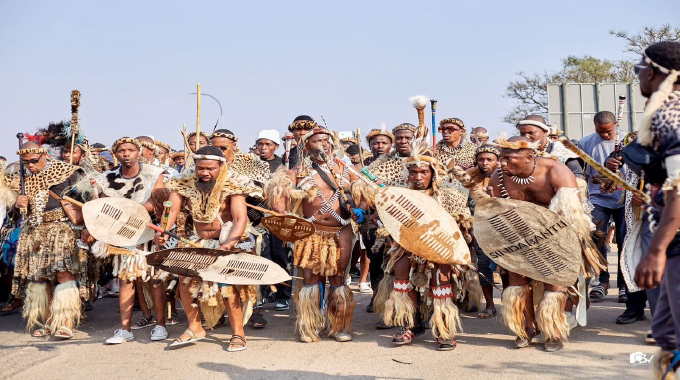
Tichaona Zindoga
IF you have been paying close attention, two cultural trends are unfolding simultaneously in Zimbabwe’s two largest cities, Harare and Bulawayo.
In recent years, there has been a notable revival and promotion of traditional Ndebele culture, championed through initiatives such as the annual Imiklomelo kaDakamela Festival, an event hosted by the youthful Chief Mbusi Bekithemba Dakamela. The festival seeks to honour living community champions, innovators and visionaries while celebrating indigenous culture, music, dance and cuisine.
Among its attractions are traditional regalia and dance displays by amabutho and amatshitshi, interactive workshops, bush-style dinners, performances by local bands and a well-organised camping village.
The event continues to grow in stature and has attracted senior traditional leaders and cultural delegations from South Africa, Zambia and as far afield as Tanzania.
Another significant cultural gathering is the annual King Mzilikazi Day commemorations. Held every year on September 5 and 6 at Mhlahlandlela, about 20 kilometres outside Bulawayo along the Old Gwanda Road, the event draws people from across the region.
It commemorates the passing of King Mzilikazi in September 1868 and features traditional Ndebele dances, praise poetry, historical storytelling and colourful processions in traditional attire.
Then there is Professor Solwayo Ngwenya’s Annual Traditional Dance Festival.
Prof Ngwenya is a medical doctor, professor of medicine and cultural custodian, who is also widely known for his advocacy of polygamy.
He hosts the festival at his family homestead in Nkayi every August. The vibrant gathering, now more than a decade old, celebrates, preserves and passes on Ndebele culture and traditions to the broader community and younger generations.
The festival focuses on honouring the ancestors and thanking God (uMvelinqangi) for health, life, protection and prosperity. Prof Ngwenya has consistently argued that celebrating ancestral heritage is a cornerstone of African culture and should not be confused with paganism.
What began as a small family ritual has evolved into one of Matabeleland’s notable cultural events, attracting cultural enthusiasts, local communities and high-profile dignitaries, including Chief Dakamela. In this way, the various initiatives reinforce and strengthen one another.
Taken together, these developments point to a deliberate cultural regeneration and renaissance that could influence the outlook and identity of future generations.
Now, consider what is happening in Harare.
The most prominent events often revolve around entertainment, popular music and leisure culture, frequently driven by contemporary and foreign influences. Large crowds gather to socialise, eat, drink and enjoy performances, sometimes resulting in unruly behaviour.
At the more controversial end of the spectrum are networking and social events that critics argue promote lifestyles and social values that depart from traditional cultural norms.
There are also concerns about the commercialisation and transformation of local genres such as jiti music, with some arguing that the genre is increasingly being diluted in the name of entertainment.
To critics, many of these activities appear to draw young people away from their cultural roots while encouraging the adoption of external influences and lifestyles.
I was reminded of this recently when we drove into a large crowd of young people leaving an event at Alex Sports Club late at night. The gathering had just ended and the resulting congestion had effectively blocked the road.
There was shouting, confusion and fighting. Young men were damaging one another’s vehicles while exchanging insults and obscenities.
In the car with me were my mother-in-law, father-in-law, wife and children.
The most disturbing moment came when we saw a young woman who was so intoxicated that she could barely walk. When she turned around, it became apparent that she had soiled herself or had fallen onto her own excrement.
The vehicle fell silent.
That experience left a lasting impression.
Some of these trends are no longer confined to Zimbabwe, with aspects of the culture increasingly finding their way into diaspora communities.
Someone, somewhere, should be paying attention.
We must look carefully at these developments. Although they appear to be unfolding independently, they should be examined side by side.
In many ways, they reveal competing visions of identity, values and belonging.
This is how the nation of the future is being shaped.
We must be careful what we wish for.
* Tichaona Zindoga is a journalist and writer based in Harare.