Online Reporter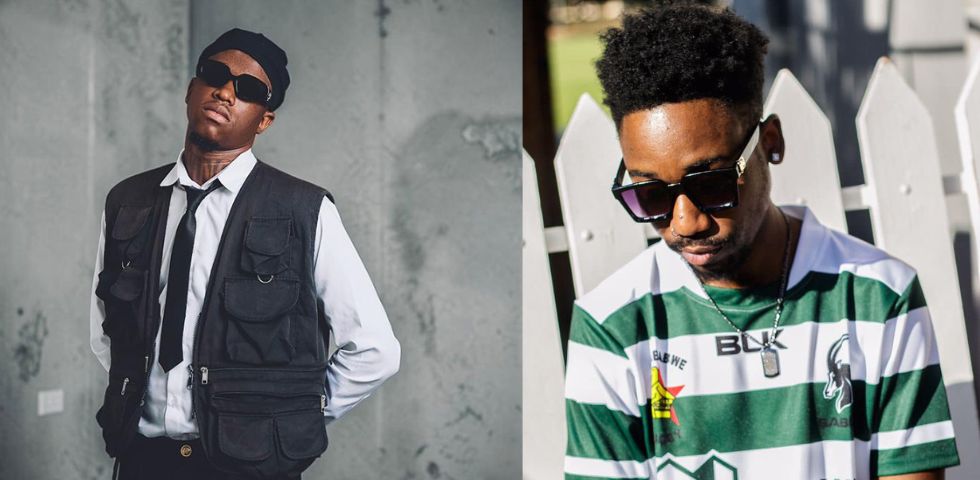
Mbulelo Mpofu [email protected]
WRESTLERS and boxers squash their differences on the ring, football players on the pitch but Boy Nino believes rappers should diss each other.
This is what he has done with a flurry of diss tracks, a direct jibe at Asaph Afrika and the Kwela Initiative that he leads.
His #LetsMakeBulawayoGreatAgain campaign has drawn guns and aimed at the Kwela Initiative, and the dam began to burst last month when Asaph Afrika released “Bhuru Shaka Zulu”, a single featuring Tha Dawg and Briza (who dissed Asaph Afrika and the whole Kwela Initiative last year).
However, Boy Nino told this publication that his attack was not personal but rather a matter of “quality control” over substandard video quality.
“I was thoroughly pleased with that video (Bhuru Shaka Zulu)”, Boy Nino said, breathing fire.
“It’s a big misrepresentation of what Bulawayo artistes are doing right now. And for someone on the spotlight, that video was very disappointing to the point that I had to say something about it. And the only way for me to get that guy’s attention and everyone’s attention to step up, was for me to come the hip-hop way which was just dissing the whole thing.
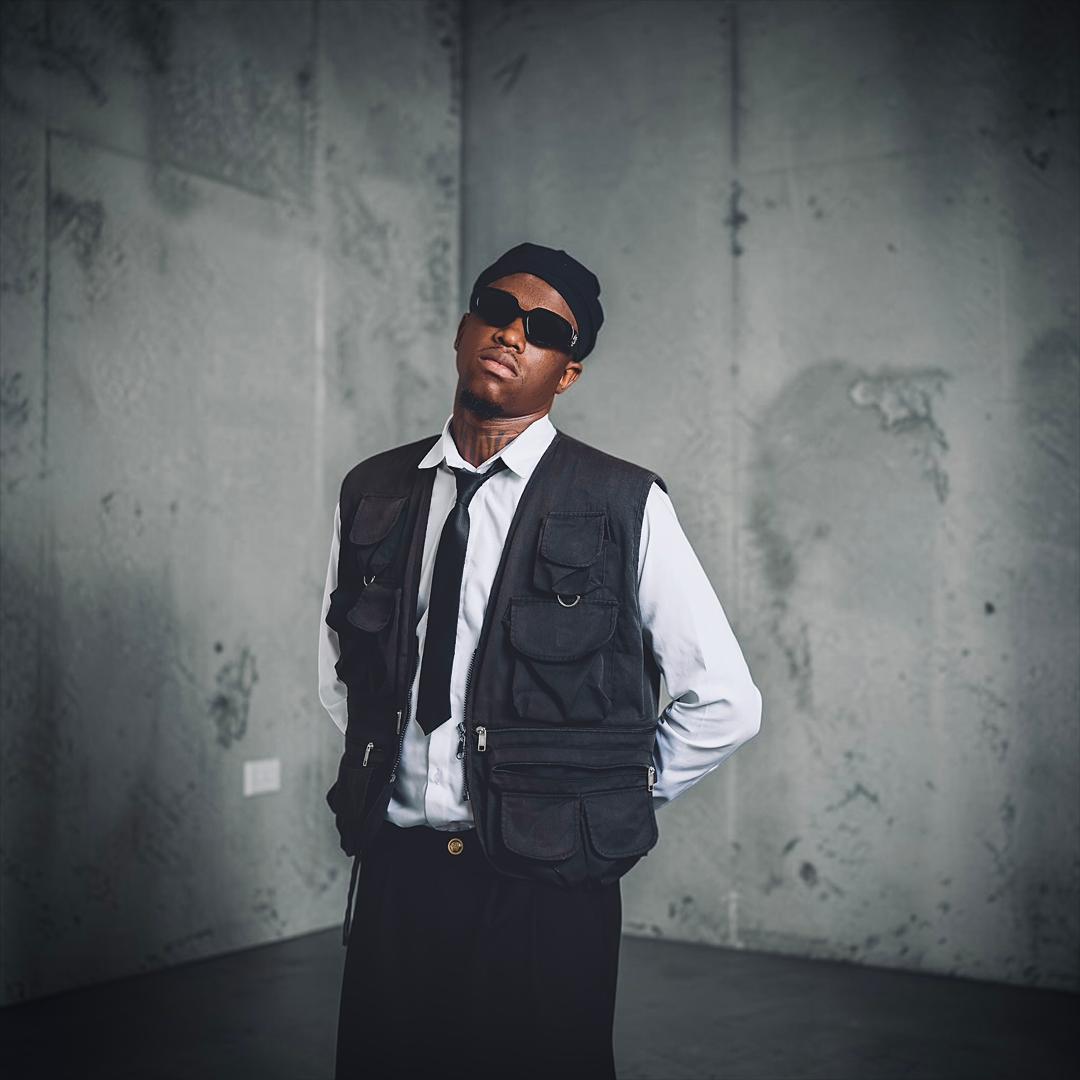
“All these diss tracks are coming as quality control rather than hate. We don’t hate anyone, we want them to keep rolling out work, but we just want better quality work. So if one goes through those diss tracks, they’ll find that they are not really direct jabs at the actual individuals but they are jabs at their work.”
Beyond aesthetic critiques, Boy Nino raised serious questions regarding the administrative structures steering the local scene.
“That whole Kwela Initiative is being poorly run, he (Asaph) is misleading people, a younger generation and it’s gonna be chaos a few years from now and everything would have happened under his watch. We want young artistes to enter the industry with a clear understanding of professional standards, rather than being led to believe that anything goes when it comes to art. It is important that they develop their craft within an environment that values excellence, discipline and quality from the very beginning.
“Art requires certain investments and sacrifices and if we are talking about representation, hip-hop has no cutting corners. So, the fact that he’s teaching all these artistes to cut corners is the reason why we are stepping in to say, ‘No, that Kwela thing must stop today if you are not teaching the right thing’. The Kwela Initiative lacks the filter. The open calls are OK but talent needs to be filtered. The things and brands that we associate Bulawayo with need to be filtered off and also, we are lacking evolution.
“Our music here sounds like back in the day when we are in 2026. It’s not going to work like that. We used to be the hub of arts here in Zimbabwe, now, we are behind by a mile because we are not evolving, the music is not evolving, the visuals, the brand images, tactics and skills are not evolving. There are artistes that are going to come from my side to set an example of how things are supposed to look like, the same way I did with the diss track video where I went and did a video to diss their video on how videos must look and how effortlessly they can look like that. So, it’s just a matter of just investing in knowledge, in keeping up with times, the evolution and having that filter to say, ‘No, this is where we draw the line. We don’t go below this standard,’ ” he added.
Some circles have argued that Boy Nino has a valid point, while opposing camps counter that quality is entirely subjective. Critics of his campaign note that Boy Nino is not a regulatory or governing body and therefore has no right to prescribe what is right or wrong for the culture.
On the other side of the divide, Asaph Afrika offered a diplomatic, measured response to the onslaught.
“Honestly bro, there’s no message from me to Boy Nino or anyone else. People will always have opinions and that’s part of art and being in public work. Right now, my focus is on the music, the movement and the opportunities we’re creating through Kwela Initiative.
“We’re busy building, improving and pushing forward. Anyone with concerns or criticism is free to share them in a manner that allows us to have meaningful engagement on issues raised but we’re focused on putting our energy into the work and not public back and forth.
“I just feel me commenting is giving it life and I don’t want to give any energy to that type of situation…focusing on my work will allow for time and results to vindicate everything Kwela and Asaph are doing,” Asaph stated.
The plot thickens within Asaph’s own camp. Lately, the Kwela leader has been getting stick from his internal circle for collaborating with Briza – the very person who aggressively dissed him and the initiative just last year. Addressing the internal friction, Asaph simply noted that he has squashed the beef with Briza and is strictly concentrating on the work ahead.
This escalating friction raises a fundamental question: Is the Boy Nino-Asaph Afrika saga real beef, or is it a calculated publicity stunt? More importantly, does Bulawayo rap actually need diss tracks to grow, or do they ultimately hinder the industry’s progress?
To understand the implications, one only has to look at the global hip-hop landscape. The historic Drake vs Kendrick Lamar beef, which resulted in a weeks-long battle that saw the two rap superstars trading barbs over seven tracks, excavated a bunch of conversations about how rap battles should be conducted, what’s fair, and how far is too far.
The question of boundaries dominated global headlines after Drake released the song and video for “Family Matters” and Kendrick immediately followed up with “Meet the Grahams”. Both tracks saw the rappers working to pick apart their opponent by excoriating their interior lives. Drake claimed that Kendrick’s business partner fathered one of his kids and alleged physical abuse against his fiancé. Kendrick countered by claiming Drake is a drug addict who employs dangerous individuals and has an unacknowledged child.
It all felt like too much for the public, leaving many wondering if the global titans had gone too far.
When local heavyweights engage in warfare, the industry experiences a double-edged sword; while diss tracks undeniably drive high engagement by spiking streaming numbers, sharpening lyrical pens, and generating frantic public conversation that keeps hip-hop culturally relevant, the fallout can be severe when pure vitriol overshadows the actual art.
Ultimately, when personal attacks replace creative standard-setting, they fracture a localised ecosystem that requires unity to build sustainable corporate partnerships, causing funding to dry up and institutional growth to stall.
Whether Boy Nino’s lyrical onslaught acts as a genuine mechanism for “quality control” or just empty noise, remains to be seen. In an industry striving to reclaim its title as Zimbabwe’s premier arts hub, Bulawayo’s hip-hop players must decide if they are building a bridge forward together, or burning the house down for clout. – Follow on X @MbuleloMpofu