Online Reporter
Nqobile Bhebhe
If you’ve spent any time in the City of Kings, which celebrated 131 years as a town on 1 June, you know there’s a vibe to Bulawayo that hits different. The speakers get louder, the drinks flow, and the hustle pauses if just for a few hours as locals toast to life, stress, and everything in between.
But how deep does Bulawayo’s relationship with alcohol go? According to the newly released 2023–24 Zimbabwe Demographic and Health Survey (ZDHS), the city isn’t just raising glasses, it’s topping the national charts in women’s alcohol consumption.
Bulawayo women are sipping more than their sisters across Zimbabwe, with nine percent reporting they had alcohol in the month before the survey, the highest rate for women in the country, the report shows. Compare that with just four percent in Matabeleland North, and it’s clear that the city’s ladies aren’t shy about grabbing a cold one.
Reads part of the report on alcohol consumption by partners: “Alcohol consumption varied across provinces. Alcohol consumption for women was highest in Bulawayo (nine percent) and lowest in Matabeleland North (four percent) while it was highest in Midlands (47 percent) and lowest in Manicaland (25 percent) for men.”
“More women and men in urban areas (10 percent and 38 percent, respectively) than in rural areas (four percent and 32 percent, respectively) reported having consumed any alcohol in the last 1 month.”
Midlands men are clearly not to be outdone, chugging their way to a national high of 47 percent. That’s almost double the rate of Manicaland’s more restrained gents, who clocked in at 25 percent.
Urban vibes seem to fuel the party. Ten percent of city women and 38 percent of city men admitted to recent boozing, while their rural counterparts kept it a little more mellow — four percent for women and 32 percent for men.
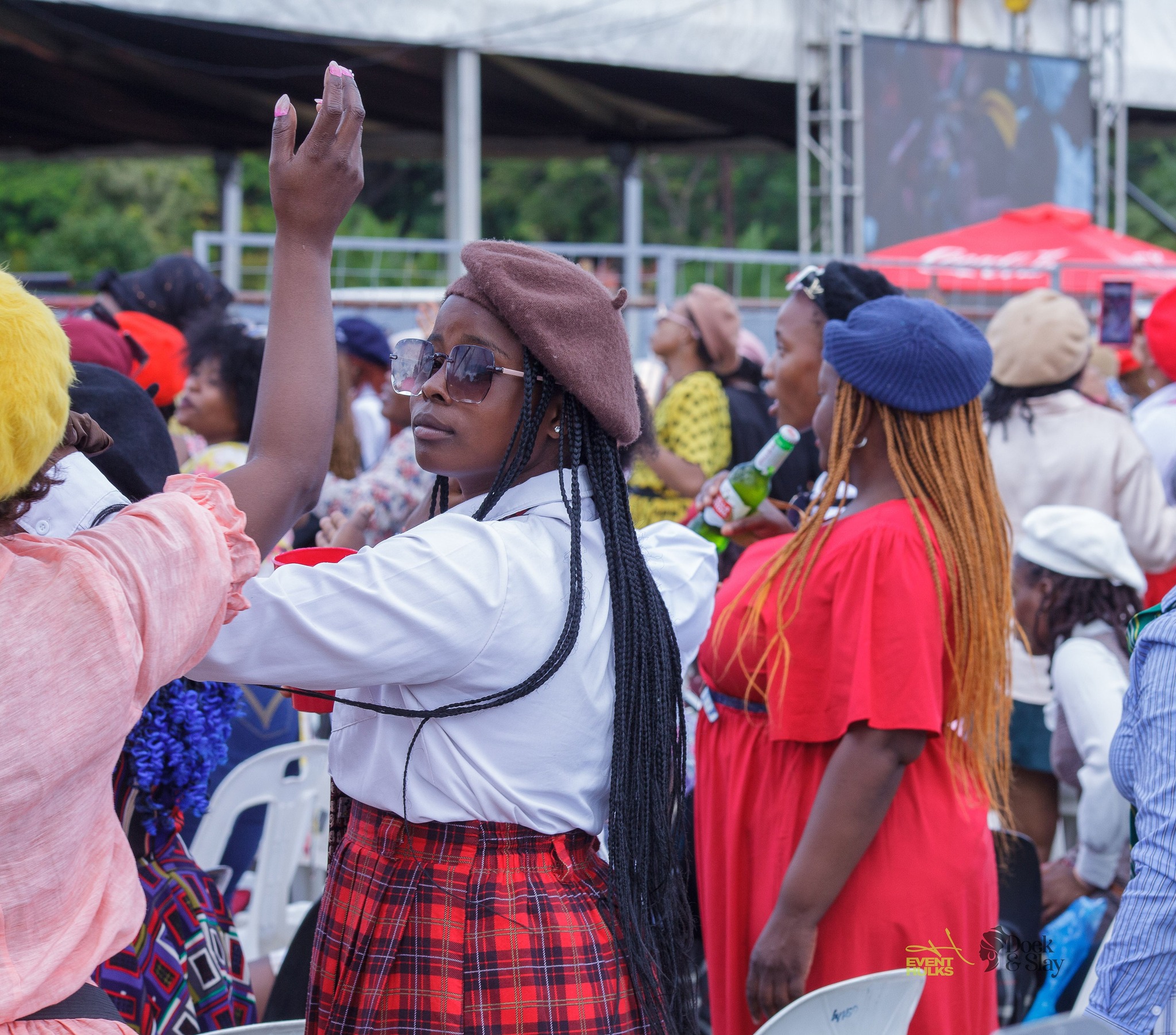
The report goes further giving a broader national outlook: “The 2023–24 ZDHS encompassed questions on use of alcohol, which if consumed in large amounts can have adverse health effects. Six percent of women and 35 percent of men consumed any alcohol in the month preceding the survey.
“Among women and men who consumed alcoholic beverages in the month preceding the survey, seven percent and 17 percent, respectively, reported drinking every day or almost every day.”
But it’s not just about who’s drinking. It’s about how much. The report shows that among respondents who consumed alcohol in the month preceding the survey, “32 percent of women and 39 percent of men had six or more drinks on days when alcohol was consumed.”
Let that sink in. That’s not sipping; that’s surrender. Twenty-six percent of women reported having only one drink on days when alcohol was consumed, as compared with six percent of men.
Oh, and for the daily drinkers? Seven percent of women and a staggering 17 percent of men said they were on the bottle every day or nearly every day.
Bulawayo isn’t just a city of kings — it’s a city that knows how to unwind. But as the numbers show, what starts as a drink can easily turn into six, and the line between a good time and harm can get blurry fast.
But before we crown the city’s party animals, the ZDHS throws in a sobering reminder. While a little fun is fine, overdoing it can mess with your health in more ways than one.
So whether you’re sipping slowly in Hillside, getting loud in Nkulumane, or pouring one out in Pumula, remember: pace yourself, know your limits — and don’t let the bottle write your story. So whether you’re raising glasses in Famona or getting lit in Luveve, remember to keep it classy, not messy. Don’t let a night out become a lifetime of regrets.
The ZDHS wasn’t just spying on your bar habits either. It tackled everything from baby bumps to bedroom business, STIs to six-packs, all in a bid to help shape policies and keep Zimbabwe ticking toward its health goals.
The primary objective of the 2023–24 ZDHS was to provide up-to-date estimates of basic demographic and health indicators. “Specifically, the 2023–24 ZDHS collected information on fertility levels, marriage, sexual activity, fertility preferences, awareness and use of family planning methods, breastfeeding practices, nutritional status of mothers and young children, early childhood mortality, maternal and child health, alcohol and tobacco use, knowledge and behaviour related to HIV and other sexually transmitted infections (STIs), use of malaria prevention methods, disability, mental health, accidents and injury, and chronic diseases.”
“The information collected through the 2023–24 ZDHS is intended to assist policymakers and programme managers in evaluating and designing national programmes and strategies for improving the health of Zimbabwe’s population.
The survey also provides indicators relevant to the Sustainable Development Goals (SDGs) for Zimbabwe,” says the report. But let’s be honest. The stats on booze? That’s the part everyone’s really talking about.
Cheers, Bulawayo. Maybe just skip that seventh round. (Pictures by Garden of House)