

 admin
admin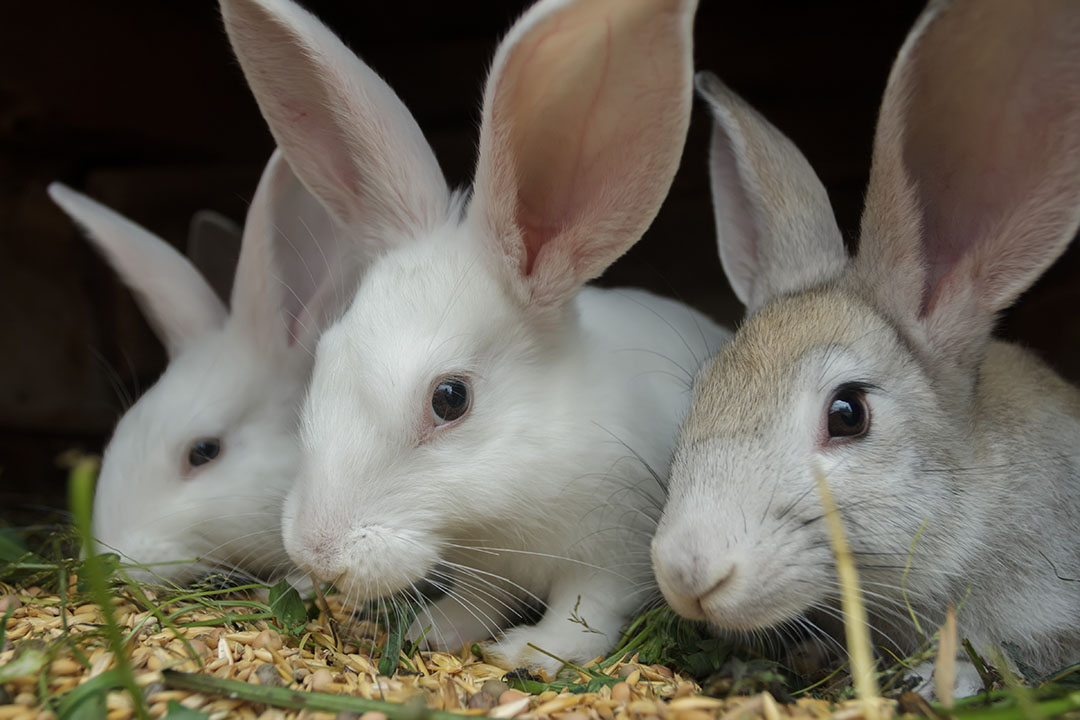
The Herald, April 7, 1980
TO most people rabbits are pet bunnies for their children, or the animals that bring a variety to chocolate Easter eggs.
However, to serious breeders they are a lucrative business.
Mr Keith Swales, chairman of the Rabbit Breeders Association, said recently Rhodesia was almost ideal for raising rabbits as there was plenty of open space, the opportunity to produce one’s own feed and tremendous market for the high protein easily digested meat.
To feed a rabbit up to slaughter age costs about 60 cents, while they sold for about $2.
However, breeding could not be treated as a backyard hobby and required meticulous arrangement, said Mr Swales.
He said between 100 and 200 breeding does have a good return with little capital expenditure if properly managed, but suggested beginners should start with about 50 does and 10 bucks until they gained the necessary experience.
Mr Swales said breeder should have their stock ready for slaughter before they reached 12 weeks of age, although an experienced breeder could produce nine-week-old young dressing out at 1,2kg.
Mr Swales said a doe that did not prove a good mother to about 50 young a year was not worth keeping.
He said they usually gave birth 30-32 days after mating and could be mated again 19-28 days later.
The three most successful meat breeds, are the Californian, the New Zealand White and the New Zealand Red who all weighed between 4 and 5kg.
Another popular breed was the Chichilla Giganta – a long bodied animal weighing 6kg.
LESSONS OR TODAY
The rearing of rabbits can be very lucrative due to the low investments costs involved especially in the initial stages. Rabbits can be reared in small groups (up to 50 nos.) in the kitchen garden/backyard of farmer’s house with kitchen waste as feed. Family labour is adequate to take care of the labour requirements of the unit.
Rabbit farming is on the rise in the country as demand for rabbit meat is on the increase since it is considered to be healthier for it has less fat.
Rabbits are generally good for humans but in some parts of the world such as Australia they are now a problem since some parts have become over-run with rabbits, and this has caused severe damage to crops.



 Online Reporter