Chronicle Editor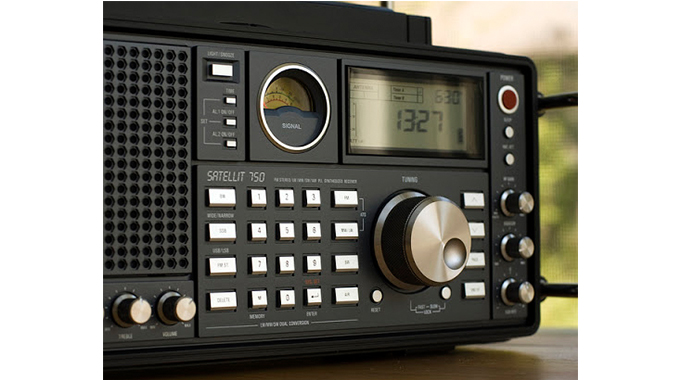
John Masuku
The history of agricultural radio programmes in Zimbabwe is arguably as old as that of the popular, accessible and trusted medium itself.
As the world celebrates ‘a century of informing, entertaining and educating’ as this year’s theme for World Radio Day on February 13 we look at the role played by farming radio programmes over many decades.
Izindaba Zabalimi/Nhau Dzevarimi and Ingxoxo labemthengazweni/Hurukuro nevematenganyika are some of the crucial radio programmes that promoted good small scale and peasant farming practices since the 1960s on the then African Service of the Rhodesia Broadcasting Corporation (RBC) now ZBC Radio Zimbabwe. However, any talk about ‘amakandiwa/makandiwa’ (contour ridges) was heavily criticized by nationalists who interpreted the practice as oppressive and unnecessary hard labour for African people and highlighted such seemingly detestable practice at political meetings. This is the origin of Thomas Mapfumo’s hit song ‘Nhamo Yemakandiwa takaiona?”’Before Independence, there were two key government departments that provided experts to come to the studios to talk about farming issues to rural farmers. These were Conservation and Extension (Conex) under the Ministry of Agriculture which catered for the small scale and commercial farmers as well as Department of Agricultural Development (Devag) under the Ministry of Internal Affairs. The Natural Resources Board (NRB) now known as Environment and Management Authority (EMA) worked very closely with Devag on conservation matters.
“In the mid-1970s we initially concentrated on cotton information to improve the communal farmers’ production of the crop. At that time, they produced a significant amount of cotton-30%-which was quite a lot. So I went to the RBC African Service at that time and assigned to Benjamin Chipere as my producer of ‘Hurukuro nevematenganyika” ‘featuring interviews with different purchase lands cotton farmers around the country” recalls Douglas Ncube who later hosted ‘Kurima kwakanaka on’ ZBCtv after in the early 1980s.

Another colleague of Ncube featured in ‘Nhau Dzevarimi’ hosted by Godwin Mbofana who himself was a trained agricultural demonstrator. The programme’s popular signature tune ‘Yakarira mucherechere… Yakarira ndiri kwaGutu’ seemed to be a crowd puller for audiences to converge around their radio sets for farming tips. In Bulawayo Peter Chiyoka presented ‘Izindaba Zabalimi’ produced by another former agriculture trained broadcaster Maplot Jubane, while Japhet Masuku, Edward Moyo, Christopher and Ferdinard Sibanda and others brought back many Ndebele interviews with rural farmers during their regular rural recording trips in the 1960s and 1970s.
In Harare besides Mbofana, Benedict Mazonde and Jonathan Mutsinze also undertook trips that brought back Shona interviews with peasant farmers from different districts.
Many readers would be surprised that well-known football administrator, Dynamos co-founder and player Morrison Sifelani was an extension and environmental adviser under NRB. He was a guest in many Ndebele, Shona and English programmes and travelled the length and breadth of the country advising on the same. He brought back many recordings of field day/master farmer events where different successful farmers spoke about how they achieved good yields through proper use of the soil and other conservation methods. Sifelani had received training in communication for development from the Thomson Foundation in Cardiff, United Kingdom and once presented farming programmes on Kenya Broadcasting Corporation after the course.
The farming radio programmes became more important when the liberation was escalated making it difficult for agricultural demonstrators to service remote parts of the country. It was given that the ‘boys’ had a bone to chew with them regarding the makandiwa/amakandiwa issue.
“So, the farmers increasingly relied on radio programmes since Conex and Devag staff had drastically reduced their visits as the war spread to many parts of the country where they previously used to visit for field days and master farmer trainings” said Ncube.
The colonial government also responded by manufacturing and distributing the Chief and Commando FM radio sets. Distributed mainly among chiefs and headmen radios were meant to counter the revolutionary messages that were beamed on Zapu and Zanu Short Wave radio stations based in Lusaka, Zambia and Maputo, Mozambique respectively.
Later Conex and Devag functions were integrated to become the Department of Agricultural Extension (Agritex under the Ministry of Agriculture featuring new presenters like Onesmo Zishiri, James Gandari, Frank Chamunorwa, Tracy Gwini and Penny Lumley.
The Food and Agricultural Organisation (FAO) regularly sponsored skills training courses for Agritex radio presenters.
Using two pilot schemes Agritex experimented on developing farm radio listening clubs ; ‘Tinoshevedza varimi vekuChimhanda’ in Mashonaland Central coordinated by John Marumisa and ‘Sibiza abalimi beNswazi’ in Matabeleland South coordinated by Peter Chiyoka on ZBC Radio Four, now National FM. With no consistent coordination and no clear cut results such projects will now be more impactful through newly-licensed community radio stations.
Over the years until now the corporate sector has sponsored some agricultural programmes promoting seed varieties, fertilizers and insecticide products featuring specialists like the late Gary Magadzire and Joe Mnkandla.
During the land reform programme at the beginning of the new millennium a variety of agricultural content, music and jingles dominated the radio airwaves during the ‘Hondo yeminda’ era. With agriculture being the back bone of Zimbabwe’s economy, farming radio programmes are here to stay right through the next century.
John Masuku is a veteran broadcaster who this year is celebrating 50 years of unbroken service in Broadcast Journalism. Masuku was Unescos 2023 World Radio Day International Campaign Coordinator. Contact him on email: [email protected]/ X: @john_masuku


 Online Reporter