Ivan Zhakata-Features Correspondent
AS the first whispers of the rainy season begin to stir in the skies above Goromonzi, drums and traditional songs echo through the sprawling farmlands.
Smoke rises gently from clay pots filled with traditional beer, mingling with the scent of burning herbs.
Villagers, young and old, gather beneath a giant fig tree, their faces lifted in prayer to the ancestors.
It is the day of Chipwa, the revered traditional rain-making ceremony that has bound generations of Goromonzi people together in faith, culture and hope.
For years, the ceremony had faded from local memory.
But this year, under the guidance of Chief Rusike, born Witness Mashawe, the Goromonzi community has revived the sacred tradition to pray for good rains, bumper harvests and protection from destructive storms.
“We are praying to our ancestors for good rains using our traditional method known as Chipwa,” Chief Rusike said.
“We do this ceremony towards the rainy season so that the rains come without thunderstorms, hailstorms or lightning, which are destructive. All houses under the Rusike chieftainship converge in prayer so that it rains not in one village, but in the whole of Goromonzi.”
The chief said the ceremony was not just about rain, but about unity and the well-being of his people.
“In Goromonzi, we have one of the biggest dams in Zimbabwe — Kunzvi Dam,” he said.
“For it to be filled with water and support our irrigation projects, we must have good rains. We are praying for the water that sustains us and for the protection of our people. This ceremony caters for everyone regardless of their background.”
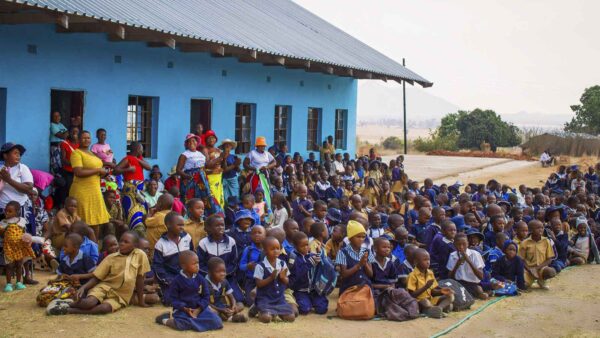
The chief’s advisor, Mr Simbarashe Mashawe, said villagers had brought bags of seed maize, groundnuts and sorghum to be blessed before planting.
“We are praying for good rains so that we have bumper harvests,” said Mr Mashawe.
“The villagers brought the seeds they are going to plant so that they are blessed with good yields. This is what we hope will be done across the country — so that Zimbabwe becomes food sufficient.”
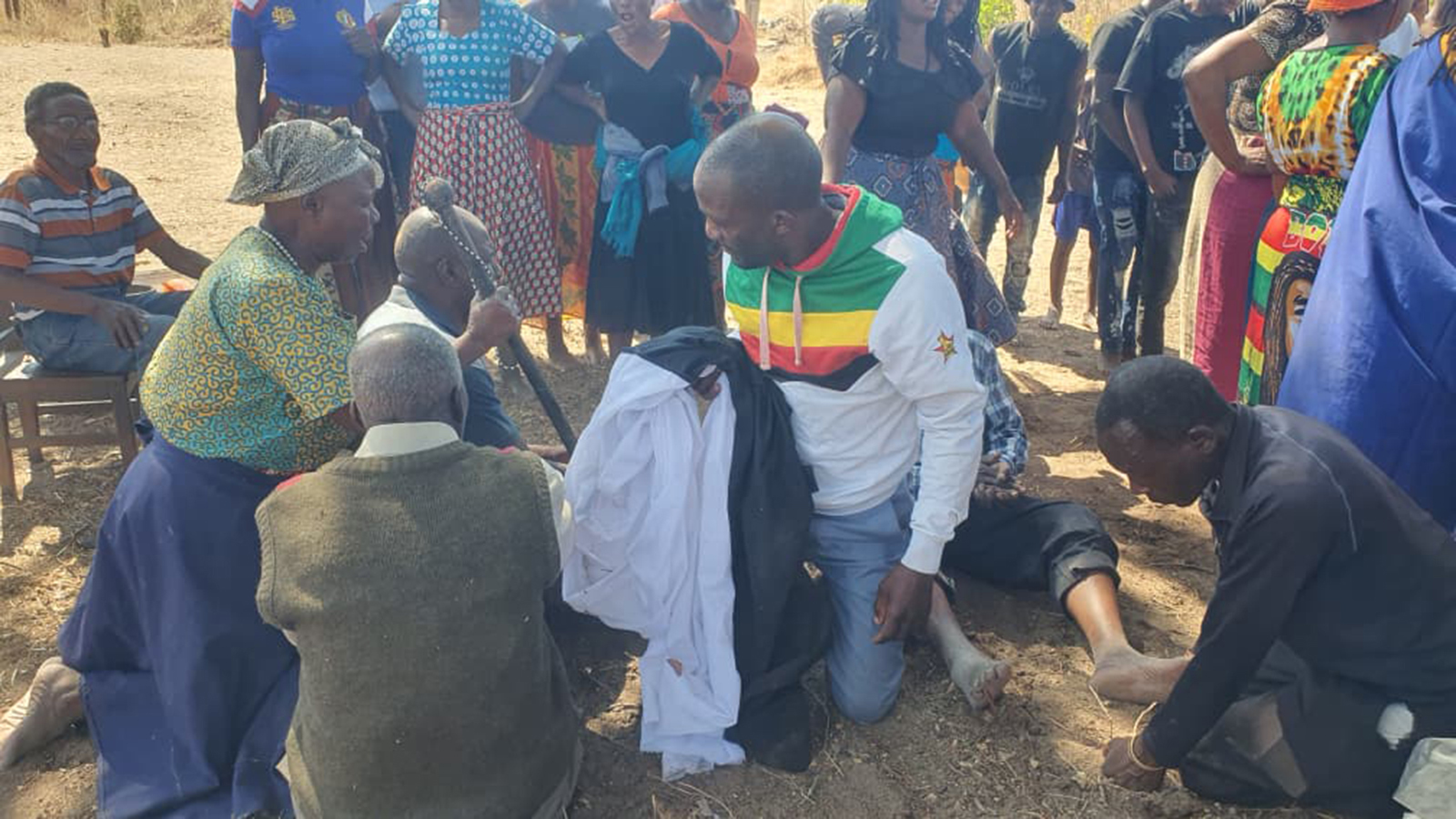
Nearby, women ululated as elders performed the traditional rites — sprinkling snuff, pouring traditional beer on the ground and invoking the spirits of the land.
For many, the ritual is more than cultural, it is a return to their roots.
Eighty-year-old Gogo Esther Chigodora from Domboshava stood quietly clutching her walking stick as she watched the ceremony unfold.
“When we were young, this was done every year before the rains came,” she said.
“After Chipwa, the rains would fall steadily and our fields would flourish. We had no hunger. I am happy our children are remembering the old ways.”
Young farmer Tinashe Mudzimu, 29, said he attended the ceremony hoping for a change in fortune after several seasons of erratic rainfall.
“Last year, we planted, but the rains failed us. If this ceremony brings the blessing of good rains, it means a lot for us as farmers. It gives us hope and brings the community together. We believe our ancestors will hear us.”
Ward 22 Agriculture Committee chairperson Mr Stanley Musendo said the revival of Chipwa was also a show of cultural strength.
“I am proud to be part of this,” he said.
“When it rains well, people have good yields. This ceremony uplifts our villages through our traditional ways. If we have good rains, our people will not be poor.”
Local farmer Mr Rodreck Madzima said he was pleased that traditional leadership was reviving such important practices.
“It has been years since ceremonies like this were done in Goromonzi,” he said.
“This ceremony ensures we have good rains and bumper harvests. We are grateful to our traditional leaders and to President Mnangagwa’s government for respecting our culture.”
As the ceremony concluded, villagers joined hands, dancing in rhythm with the beating drums. Children chased each other through the dust and elders smiled, watching the rebirth of a practice that had sustained their ancestors. For the people of Goromonzi, Chipwa is more than a ritual — it is a collective prayer for renewal.
It is a symbol of unity between the living and the ancestral spirits, between the land and its people. And as dark clouds began to gather on the horizon that afternoon, some villagers whispered hopefully, “The ancestors have heard us.”
Chipwa is a traditional Shona rain-making ceremony performed to invoke ancestral spirits for rainfall and agricultural blessings.
The ritual is rooted in the belief that the ancestors, who once tilled the same land, continue to watch over their descendants and can influence the weather and fertility of the soil.
During the ceremony, elders pour traditional beer (doro remweya) on the ground as an offering to the spirits.
Sacred songs, dances and prayers are performed, often under a sacred tree or near a mountain or river believed to be the dwelling place of ancestral spirits.
Historically, Chipwa united entire communities, bringing together families, farmers and traditional leaders to express gratitude for past harvests and seek blessings for the coming season.
Though some of these practices had declined with urbanisation and modern religion, communities like Goromonzi are reviving them to preserve cultural heritage while promoting unity and sustainable agriculture.