Chronicle Editor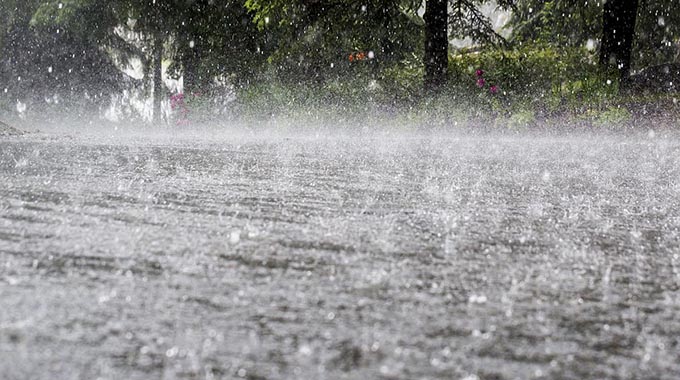
Nqobile Tshili, [email protected]
WATER inflows at major supply dams including Umzingwane and Upper Ncema in Matabeleland South have started rising as most parts of the country continue to receive rains.
According to the Zimbabwe National Water Authority (Zinwa), the improvement in water levels would contribute to guaranteed water security to urbanites as well as supporting irrigation projects in communities.
Zimbabwe is transitioning from rain-fed agriculture as irrigation is part of the measures to mitigate against climate change impacts on food security and nutrition.
On the other hand, cities such as Bulawayo are experiencing a 120-hour water shedding programme as the city’s supply dams have low water levels, attributed to low rainfall in the past seasons.
Even communal dams had dried up in some districts, creating a serious crisis for livestock farmers in communities, which has seen 5 000 cattle being lost in Matabeleland region and Midlands due to drought.
But for more than a week, heavens have opened up in most parts of the country with rains being received, igniting hope for some communities following a prolonged dry spell.
The country is experiencing El Nino weather conditions characterised by scorching high conditions and low rainfalls.
Zinwa corporate communications and marketing manager, Mrs Marjorie Munyonga, said national dam levels have increased to 75 percent as of Monday.
“Water levels in the country’s major dams have started rising in response to the rainfall activity being experienced in different parts of the country,” she said.
“As of December 18, 2023, the national dam level average had risen to 74,8 percent marking a 0,89 percent improvement since December 13, 2023,” said Mrs Munyonga.
She said Umzingwane, Upper Ncema, and Insiza Dams that supply Bulawayo with water are part of the dams that have recorded improved inflows.
Despite some inflows, Bulawayo supply dams remain critically low with Umzingwane Dam being five percent full, Upper Ncema 24 percent, Lower Ncema Dam 14 percent while Mtshabezi is 72 percent full, and Insiza Dam 69 percent.
Mrs Munyonga said other dams include Antelope, Mbembeswane, Tokwana, Ngwenya, Pollards, Exchange, Chivero, Manyame, Zhovhe, Manjirenji, Mutirikwi, Amapongokwe, Claw, Bangala, Ruti, Siya, Gwenoro, Whitewaters, Manyuchi, Mashoko, Dziva, Hama and Seke.
“However, some of the major dams remain unchanged while others recorded declines in the past week,” said Mrs Munyonga.
She urged the public to use water sparingly saying the water authority will continue monitoring the compliance in the usage of water.
“Zinwa is closely monitoring inflows into and withdrawals from the dams and wishes to remind all those using raw water from Zinwa dams to ensure that their water use is in terms of water abstraction agreements in accordance with the law,” said Mrs Munyonga.–@nqotshili



 Online Reporter